Why Acne and Sensitivity Often Happen Together
Acne is not just oil on the skin. It is a combination of:
-
increased oil (sebum) production
-
buildup of dead skin inside pores
-
growth of Cutibacterium acnes
-
inflammation
Sensitive skin is usually linked to a weaker skin barrier.
The skin barrier is the outer layer that:
-
keeps water in
-
protects against irritants
-
helps regulate inflammation
When the barrier is not functioning well, skin can:
-
feel tight or dry
-
become red more easily
-
react to products more quickly
This is why acne and sensitivity often appear together.
Why Strong Treatments Can Make Acne Worse
A common approach is to use strong exfoliants or multiple actives at once.
This can lead to:
-
irritation
-
barrier disruption
-
increased redness
-
slower recovery
When the barrier is weakened, the skin may produce more oil to compensate.
This can lead to ongoing congestion.
Current clinical thinking supports:
-
treating breakouts
-
while maintaining barrier function
at the same time.
What Ingredients Are Supported by Research
For sensitive, acne-prone skin, the goal is to reduce congestion without increasing irritation.
Salicylic Acid (BHA)
Salicylic acid is oil-soluble, meaning it can enter pores and help clear buildup.
It is commonly used to improve the appearance of:
-
blackheads
-
congestion
-
breakouts
Within AURÉME, this is where Surface Purify fits directly.
-
supports clearer-looking skin
-
helps reduce pore congestion
-
cleanses without leaving skin feeling stripped
Niacinamide
Niacinamide is widely used because it helps support:
-
oil balance
-
skin barrier function
-
visible redness
This makes it useful when acne and sensitivity are both present.
Azelaic Acid
Azelaic acid is often used for:
-
improving the appearance of breakouts
-
reducing visible redness
-
supporting more even-looking skin tone
It is generally well tolerated compared to stronger acids.
Why Cleansing Is a Key Step
Cleansing affects both acne and sensitivity.
If a cleanser is too strong, it can:
-
weaken the barrier
-
increase irritation
If it is too mild, it may not reduce congestion effectively.
This is why Surface Purify is central in this routine.
It:
-
supports clearer-looking skin
-
helps manage buildup inside pores
-
maintains skin comfort
If skin feels more reactive, Surface Calm can be used to:
-
reduce irritation
-
maintain gentle cleansing
-
support barrier balance
The Role of Hydration in Acne
Hydration is often missed in acne routines.
When skin is dehydrated, it can:
-
feel tight
-
look more inflamed
-
produce more oil
Supporting hydration helps stabilise the skin.
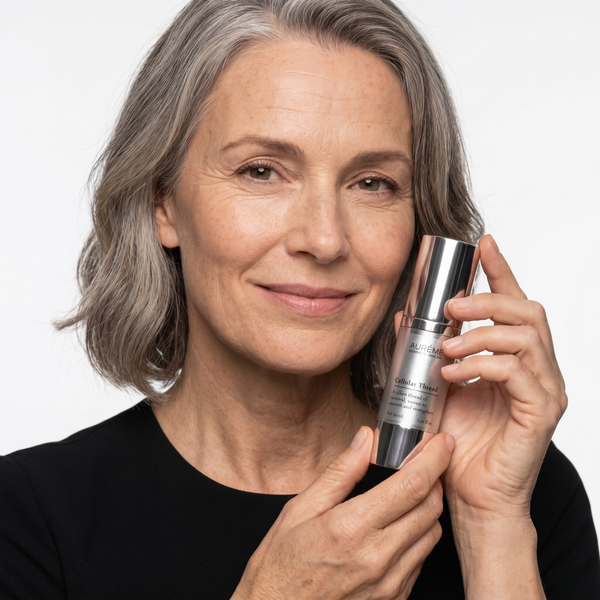
This is where Cellular Crème fits.
It helps:
-
maintain hydration
-
support the skin barrier
-
reduce the likelihood of irritation from actives
How to Build a Routine That Works
A simple routine is more effective than a complicated one.
Morning
-
cleanse with Surface Purify
(or Surface Calm if skin feels sensitive) -
apply treatment step if needed
-
apply Cellular Crème for hydration and barrier support
-
apply SPF
Evening
-
cleanse with Surface Purify
-
apply treatment (e.g. azelaic acid if used)
-
apply Cellular Crème
If Skin Feels Dry or Tight
-
reduce frequency of active treatments
-
use Surface Calm more often
-
ensure Cellular Crème is used consistently
What to Focus On Long Term
The goal is not to remove oil completely.
The goal is to:
-
reduce congestion gradually
-
support the barrier
-
keep inflammation low
-
maintain hydration
This leads to more stable, clearer-looking skin over time.
Where to Start
If your main concern is breakouts and congestion, start with Surface Purify because it directly addresses pore buildup and supports a clearer-looking complexion.
If your skin also feels dry, tight, or easily irritated, add Cellular Crème to support hydration and barrier function.
If your skin fluctuates between reactive and congested, alternating Surface Purify with Surface Calm can help maintain balance.
This approach keeps the routine simple while still addressing the key mechanisms involved in acne and sensitivity.