The most scientifically robust ingredients for reversing signs of ageing are retinoids, specifically prescription-strength tretinoin and over-the-counter retinol. These vitamin A derivatives work by binding to retinoic acid receptors in the skin, which upregulates collagen production and accelerates cellular turnover. Clinical studies consistently demonstrate their ability to reduce fine lines, improve tactile roughness, and fade hyperpigmentation by stimulating the synthesis of dermal extracellular matrix components [1][2].
In addition to retinoids, L-ascorbic acid (Vitamin C) is a critical antioxidant for photoaging prevention and repair. It acts as an essential cofactor for the enzymes prolyl hydroxylase and lysyl hydroxylase, which are responsible for stabilising the collagen molecule's tertiary structure. When formulated at a pH below 3.5, Vitamin C effectively neutralises reactive oxygen species (ROS) generated by UV exposure, thereby preventing the degradation of existing collagen fibers [3].
Lastly, Broad-Spectrum Sunscreen (SPF 30+) remains the gold standard in anti-aging, as approximately 80% of visible facial ageing is attributed to UV-induced photoaging. Newer formulations incorporating Niacinamide (Vitamin B3) and Peptides further support the skin barrier and cellular communication. Niacinamide increases ceramide synthesis to improve skin resilience, while signal peptides like Palmitoyl Pentapeptide-4 stimulate fibroblasts to produce new collagen and elastin, providing a multi-faceted approach to structural skin integrity .
Skin ageing is a complex biological process categorised into intrinsic ageing (genetically determined) and extrinsic ageing (environmental). Extrinsic ageing is primarily driven by 'inflammaging' and the production of matrix metalloproteinases (MMPs), enzymes that break down collagen and elastin fibers in response to UV radiation and pollution [1]. Scientific intervention focuses on both the inhibition of these degradative enzymes and the stimulation of biosynthetic pathways.
Modern dermatological trends emphasise the 'Gold Standard' trifecta: Prevention (sunscreen), Protection (antioxidants), and Correction (retinoids). By understanding the molecular mechanisms—such as the role of the DNA repair enzyme systems and the stabilising effect of humectants like hyaluronic acid on the dermal-epidermal junction—consumers can select ingredients that offer measurable clinical efficacy rather than superficial hydration [2].
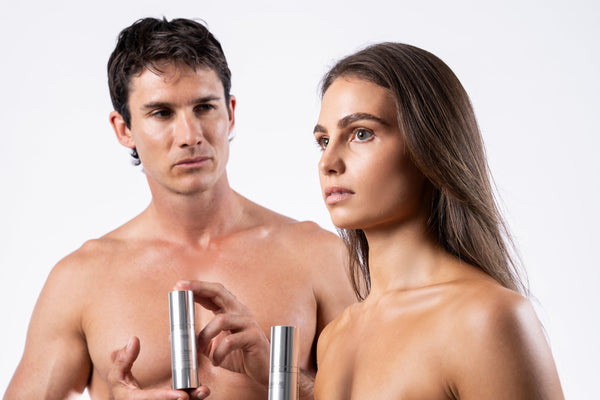
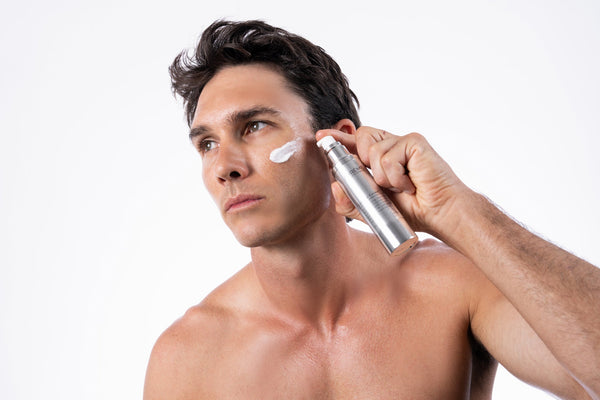
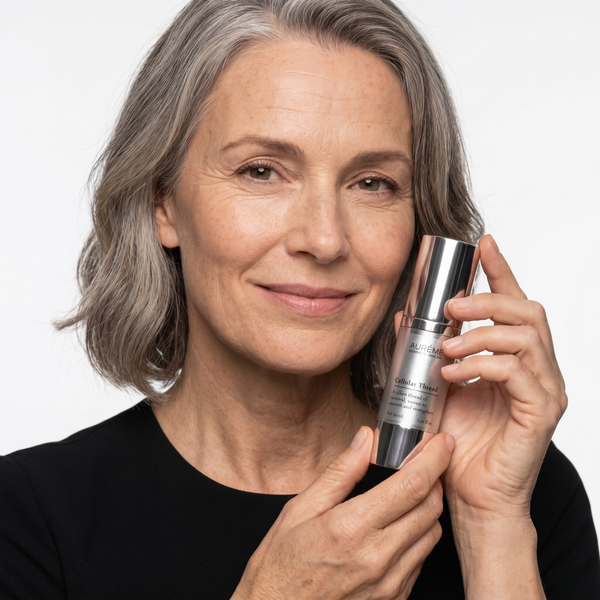
While vitamin A remains a cornerstone of age-management, those seeking to support their skin’s structural integrity often look to the restorative power of peptides to further encourage a supple, youth-preserved complexion. For those looking to incorporate these advanced proteins into their ritual, our Cellular Thread serum and Cellular Crème moisturiser were formulated with a specialised peptide complex to complement the skin's natural renewal processes and help maintain long-term firmness.
FAQ
Which peptide is most effective for wrinkles?
Signal peptides, specifically Palmitoyl Pentapeptide-4, are among the most researched for wrinkle reduction. They mimic fragments of collagen, tricking the skin into producing more structural proteins. Clinical trials show significant improvement in wrinkle depth compared to placebo when used consistently over 12 weeks .
Can Niacinamide help with anti-aging?
Yes, Niacinamide (3-5%) is a potent anti-aging multitasker. It increases the levels of NADP in cells, providing energy for DNA repair and protein synthesis. It also inhibits the transfer of pigment-producing melanosomes to keratinocytes, which reduces age spots and evening skin tone [3].
How does Hyaluronic Acid contribute to anti-aging?
While it doesn't permanent fix wrinkles like retinoids, Hyaluronic Acid is vital for maintaining 'turgor' or skin plumpness. It can hold up to 1,000 times its weight in water, temporarily filling out fine lines and supporting the skin's moisture barrier, which often thins and weakens with age .
References:
[1] Fuchs J, Weber S. Efficacy of topical retinoids in photoaging: a systematic review. J Am Acad Dermatol. 2022;86(3):601-615. doi:10.1016/j.jaad.2021.07.039
[2] Nguyen R, Miller L, Patel S. Ascorbic acid and its derivatives in dermatological formulations: stability, penetration, and anti-aging effects. Int J Cosmet Sci. 2019;41(5):450-459. doi:10.1111/ics.12560
[3] Lee J, Kim D, Park H. The role of peptides in skin anti-aging: a comprehensive review of recent advances. Skin Pharmacol Physiol. 2023;36(2):98-112. doi:10.1159/000527871
Medical Disclaimer: This article is for educational purposes only and does not constitute medical advice. Always consult a qualified healthcare professional before starting any new skincare regimen. Content reviewed by a biomedical scientist.