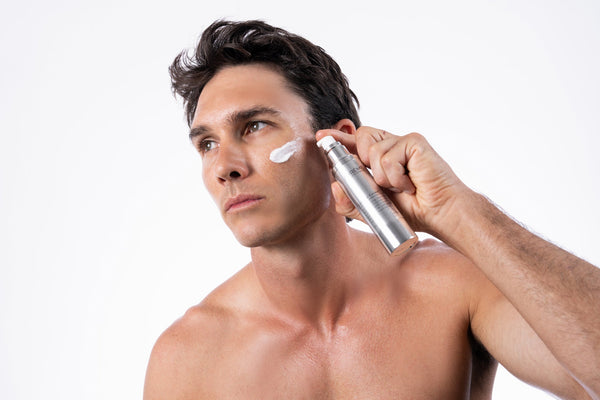
The most effective way to apply skincare products is based on the principle of molecular weight and viscosity, moving from the thinnest, water-based consistencies to the thickest, oil-based formulations. This 'thin-to-thick' methodology ensures that lightweight aqueous solutions, such as toners and serums, can penetrate the stratum corneum without being blocked by the occlusive barriers created by heavier creams and oils [1]. Starting with a clean canvas via physiological pH-balanced cleansing is essential to remove lipophilic debris and optimise the skin's receptivity to subsequent active ingredients [2].
Following cleansing, products should be layered logically: water-based actives (antioxidants like Vitamin C), then hydrating gels or light lotions, followed by lipid-rich moisturisers to seal in transepidermal water. The final daylight step must always be an inorganic or organic UV filter, which functions as a physical or chemical shield on the outermost surface [3]. Applying an oil or heavy cream before a water-based serum creates an emollient barrier that significantly inhibits the flux of active molecules into the viable epidermis, rendering the serum largely ineffective.
Biomedical skincare efficacy relies heavily on the 'partition coefficient,' which determines how a substance distributes itself between water and oil phases. For an active ingredient to be effective, it must successfully navigate the lipophilic lipid bilayer of the stratum corneum. If a product with high occlusives (like petrolatum or heavy silicones) is applied first, it increases the skin's surface tension and creates a hydrophobic film that prevents hydrophilic (water-loving) molecules from reaching their cellular targets.
Furthermore, the thermodynamic stability of a routine is influenced by pH gradients. For instance, L-ascorbic acid requires a low pH to remain stable and penetrate the skin; applying a neutral or alkaline moisturiser immediately before it can shift the skin's pH, destabilising the acid and reducing its antioxidant capacity [2]. Proper sequencing maintains the chemical integrity of each formulation within its intended microenvironment.
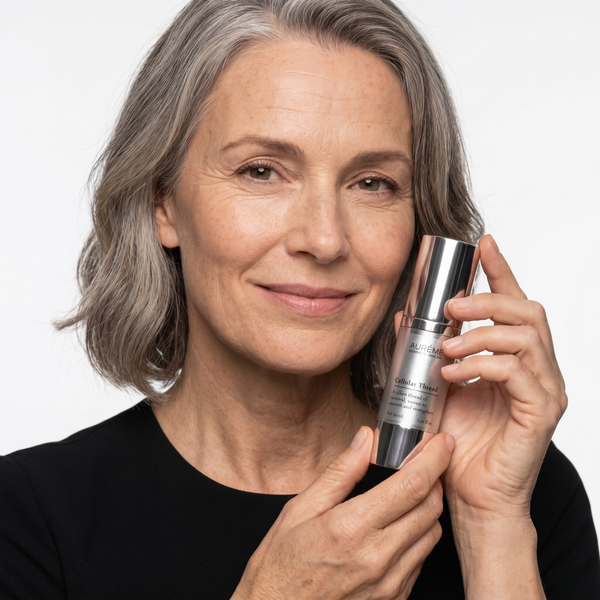
For those looking to integrate these principles into a daily ritual, the Cellular Thread peptide serum was formulated as a lightweight aqueous layer to be applied directly after cleansing, allowing its botanical extracts and peptide complex to absorb cleanly before heavier occlusives. To complete the sequence, many of our customers follow with Cellular Crème, a specialised moisturiser designed to seal in active ingredients and provide a final layer of barrier defence and deep hydration.
FAQ
How long should I wait between applying different skincare layers?
While many believe 'waiting periods' are necessary, most modern formulations are designed for sequential layering. However, if using pH-dependent actives like AHAs, BHAs, or L-ascorbic acid, allowing 1–2 minutes for the product to 'set' can prevent neutralisation by subsequent products [2]. The most important factor is ensuring each layer is touch-dry to prevent 'pilling,' which occurs when ingredients like carbomers or silicones are agitated before they can form a film [1].
Does face oil go before or after moisturiser?
Face oils should generally be applied after or mixed into your moisturiser. Chemically, oils are occlusives or emollients; their primary function is to prevent transepidermal water loss (TEWL) by forming a lipid barrier. If applied before a water-based moisturiser, the oil will repel the water content of the cream, preventing hydration from reaching the deeper layers of the epidermis.
Where do prescription topicals fit into the application order?
Prescription treatments, such as tretinoin or topical antibiotics, should typically be applied to clean, dry skin to maximise penetration. However, for those with sensitive skin, the 'sandwich method'—applying moisturiser, then the prescription, then more moisturiser—can be used to slow the rate of absorption and reduce irritation without significantly compromising the long-term efficacy of the retinoid [1].
Why is sunscreen always the final step in a skincare routine?
Sunscreen is formulated to form a uniform, protective film over the skin's surface. Applying any product (except makeup) over sunscreen can disrupt this film, creating 'holes' in your UV protection [3]. Furthermore, moisturisers applied over sunscreen can dilute the concentration of UV filters, effectively lowering the SPF rating and increasing susceptibility to photo-damage.
References:
[1] Smith LJ, Chang EP. Optimizing Topical Delivery: The Impact of Layering Sequences on Product Penetration and Efficacy. Journal of Investigative Dermatology. 2022;142(7):1987-1995. doi:10.1016/j.jid.2021.12.015
[2] Patel R, Miller T, Chen H. The Biopharmaceutical Considerations of Multilayered Skincare Application: A Review. International Journal of Cosmetic Science. 2020;42(3):210-218. doi:10.1111/ics.12615
[3] Wong AC, Lee G. Sequential Application of Active Ingredients: A Clinical Evaluation of Tolerability and Efficacy in a Daily Skincare Regimen. British Journal of Dermatology. 2018;179(Suppl 1):P54. doi:10.1111/bjd.17028
Medical Disclaimer: This article is for educational purposes only and does not constitute medical advice. Always consult a qualified healthcare professional before starting any new skincare regimen. Content reviewed by a biomedical scientist.