The most effective treatment for hyperpigmentation is a tiered approach focusing on tyrosinase inhibition and accelerated cell turnover. Clinical gold standards include hydroquinone (2-4%), which remains the most potent topical depigmenting agent by inhibiting the enzymatic oxidation of tyrosine to DOPA [1]. However, due to potential side effects like ochronosis, many clinicians now favour a 'triple therapy' combination (Kligman's Formula) containing hydroquinone, a corticosteroid to reduce inflammation, and a retinoid to enhance epidermal penetration and cell shedding [2].
For those seeking non-prescription alternatives, a combination of 5-10% niacinamide, 2% tranexamic acid, and vitamin C (L-ascorbic acid) has shown significant efficacy in clinical trials. Tranexamic acid, specifically, prevents the binding of plasminogen to keratinocytes, which reduces melanocyte activity triggered by UV exposure and hormonal changes [3]. Regardless of the active ingredient used, broad-spectrum SPF 50+ sunscreen is the most critical component of treatment, as even minimal UV exposure can re-stimulate melanin production and negate weeks of topical therapy [4].
Hyperpigmentation is a complex physiological response mediated by melanocytes located in the basal layer of the epidermis. These cells package melanin into melanosomes, which are then transferred to surrounding keratinocytes [1]. This process can be triggered by UV radiation (solar lentigines), hormonal fluctuations (melasma), or inflammatory responses (post-inflammatory hyperpigmentation).
From a biochemical perspective, the rate-limiting step in melanogenesis is the activity of the copper-containing enzyme, tyrosinase. Effective treatments typically work by competitive inhibition of this enzyme or by disrupting the transfer of melanosomes. Modern formulation science also emphasises the role of the skin barrier; a compromised barrier can exacerbate inflammation, further stimulating melanocytic activity [5].
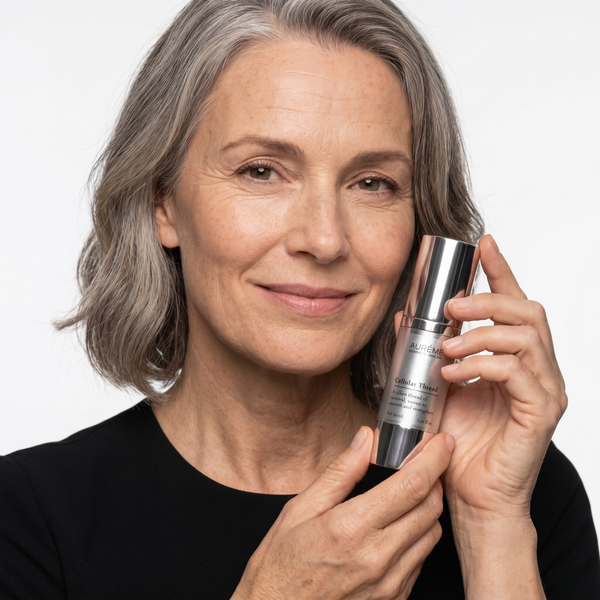
If you are looking for botanical alternatives to support this brightening process, our Cellular Thread peptide serum incorporates Licorice Root and Bearberry to help manage the appearance of uneven tone. Additionally, for a daily approach to luminosity, the C-Veil Citrine Tonic combines Ascorbic acid with Niacinamide to gently encourage a more radiant, balanced complexion.
FAQ
Does Vitamin C really help with stubborn dark spots?
Yes, Vitamin C (L-ascorbic acid) acts as a potent antioxidant that neutralises free radicals and inhibits tyrosinase activity by interacting with copper ions at the enzyme's active site [4]. While highly effective at brightening the overall complexion, it is best used in conjunction with other depigmenting agents like alpha-arbutin for heavy pigmentation [2].
How long does it take to see results from pigmentation treatments?
Patience is essential, as the skin's natural desquamation cycle takes approximately 28 to 40 days. Significant clinical improvement in pigmentation typically requires 8 to 12 weeks of consistent application of targeted actives [1][5]. Deep-seated dermal pigmentation may require longer treatments or in-clinic procedures like chemical peels or Q-switched lasers [3].
Can niacinamide be used alongside retinol for pigmentation?
Absolutely. Niacinamide (Vitamin B3) is highly synergistic with retinol. While retinol speeds up cell turnover to shed pigmented cells, niacinamide inhibits the transfer of melanosomes to keratinocytes [5]. Furthermore, niacinamide helps stabilise the skin barrier, reducing the irritation often associated with retinoid use [2].
References:
[1] Callender VD, et al. Journal of Clinical and Aesthetic Dermatology. 2022;15(7):21-25. doi:10.36849/JCAD.2022.6617
[2] Sarkar R, et al. Indian Journal of Dermatology. 2021;66(4):341-347. doi:10.4103/ijd.ijd_439_21
[3] Bala HR, et al. Australasian Journal of Dermatology. 2019;60(2):e115-e121. doi:10.1111/ajd.12933
[4] Passeron T, et al. Journal of the European Academy of Dermatology and Venereology. 2019;33(S2):5-14. doi:10.1111/jdv.15664
[5] Hakozaki T, et al. British Journal of Dermatology. 2002;147(1):20-31. doi:10.1046/j.1365-2133.2002.04834.x
Medical Disclaimer: This article is for educational purposes only and does not constitute medical advice. Always consult a qualified healthcare professional before starting any new skincare regimen. Content reviewed by a biomedical scientist.