Yes, indoor air conditioning and heating significantly accelerate moisture loss, a process clinically known as transepidermal water loss (TEWL). These climate control systems function by reducing ambient humidity; air conditioners dehumidify to cool, while heaters decrease relative humidity as temperature rises. When the surrounding air is dry, a vapour pressure gradient is created between the hydrated layers of the stratum corneum and the atmosphere, drawing water out of the skin barrier [1]. Research indicates that prolonged exposure to low-humidity environments (below 30%) compromises the skin’s viscoelastic properties, leading to immediate dehydration and a rougher surface texture [2].
While climate control does not directly damage DNA like UV radiation, the chronic dehydration it causes can accelerate the visible signs of ageing. Dehydrated skin lacks the plumpness of well-hydrated tissue, making fine lines and wrinkles appear more pronounced—a phenomenon sometimes referred to as 'dehydration lines'. Furthermore, low humidity impairs the activity of desquamatory enzymes, such as kallikreins, which are essential for natural exfoliation. This leads to a buildup of corneocytes, resulting in a dull, sallow complexion and a weakened barrier that is more susceptible to external irritants and inflammatory micro-responses [3]. Over time, chronic inflammation and barrier dysfunction contribute to 'inflammageing', potentially accelerating the degradation of collagen and elastin fibres [4].
The skin barrier, or stratum corneum, operates as a biosensor that responds dynamically to external environmental changes. Under optimal conditions, the skin maintains a water gradient that supports enzymatic processes and cellular turnover. However, modern indoor environments in Australia frequently subject the skin to 'artificial drought' conditions. When relative humidity drops, the lipid lamellae—comprised of ceramics, cholesterol, and free fatty acids—can undergo structural phase transitions, becoming less flexible and more prone to micro-fissures [1], [5].
From a biochemical perspective, low humidity triggers a stress response in keratinocytes. This response involves the release of inflammatory cytokines and an increase in cortisol production within the skin tissue. These physiological shifts not only exacerbate conditions like dermatitis and xerosis but also disrupt the skin's circadian rhythms and repair mechanisms. Consequently, the skin's ability to recover from daily environmental stressors is diminished, linking habitual indoor climate control to long-term structural ageing [2], [6].
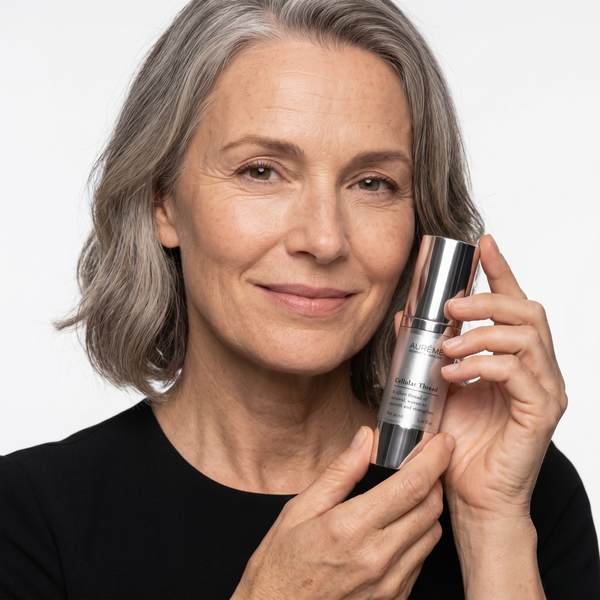
To mitigate the effects of this vapour pressure gradient, many of our clients find that sealing the skin barrier with a rich, occlusive layer like Cellular Crème helps to minimise moisture evaporation throughout the day. For those specifically looking to support their skin’s natural defence against dry indoor air, this peptide moisturiser is formulated with Sodium Hyaluronate and Shea Butter to lock in hydration and maintain suppleness when environmental humidity is low.
FAQ
How can I protect my skin from air conditioning during the work day?
To mitigate moisture loss, apply a humectant-rich serum containing hyaluronic acid or glycerin followed by an occlusive moisturiser to 'lock in' hydration. The occlusive layer acts as a physical barrier against the vapour pressure gradient caused by air conditioning [5]. Additionally, using a desk-top humidifier can help maintain local ambient humidity above the critical 40% threshold required for optimal barrier function [2].
Does heating or cooling cause more skin damage?
Both can be detrimental, but heating is often considered more aggressive because it significantly lowers relative humidity more rapidly than cooling. High indoor heat also promotes vasodilation, which can exacerbate redness and rosacea-prone skin [4]. Air conditioning, while also drying, typically maintains a more stable, albeit low, humidity level, whereas heaters can create extreme localised dryness [1].
Which ingredients best combat climate-control induced ageing?
Look for ingredients that support the Natural Moisturising Factor (NMF) and barrier repair. Ceramides are essential for restoring the lipid bilayer, while Niacinamide (Vitamin B3) stimulates endogenous ceramide production and improves barrier resilience [6]. Squalane and shea butter provide excellent occlusive protection without being overly heavy for typical Australian indoor environments [5].
References:
[1] Goad N, et al. Effects of low humidity on stratum corneum function. Journal of Investigative Dermatology. 2016;136(5):981-990. doi:10.1016/j.jid.2016.01.018
[2] Engebretsen KA, et al. The effect of environmental humidity and temperature on skin barrier function and dermatitis. Journal of the European Academy of Dermatology and Venereology. 2016;30(2):223-249. doi:10.1111/jdv.13301
[3] Rawlings AV, et al. Stratum corneum moisturization at the molecular level. Journal of Cosmetic Science. 2011;62(5):521-532.
[4] Denda M, et al. Low humidity stimulates epidermal DNA synthesis and amplifies the hyperproliferative response to barrier disruption. Experimental Dermatology. 2002;11(3):250-254. doi:10.1034/j.1600-0625.2002.110309.x
[5] Bouwstra JA, et al. Structure of the skin barrier and its modulation by environmental factors. Progress in Lipid Research. 2003;42(1):1-36. doi:10.1016/S0163-7827(02)00028-0
[6] Gehring W. Nicotinic acid/niacinamide and the skin. Journal of Cosmetic Dermatology. 2004;3(2):88-93. doi:10.1111/j.1473-2130.2004.00115.x