To repair a damaged skin barrier in your 40s, the immediate priority is to cease all chemical and physical exfoliants, including Alpha Hydroxy Acids (AHAs), Beta Hydroxy Acids (BHAs), and retinoids. The stratum corneum, which acts as the skin's primary permeability barrier, requires approximately 2 to 4 weeks to undergo a full turnover cycle and restore its structural integrity. During this period, you must transition to a 'barrier-neutral' routine focusing on physiological lipids—specifically ceramides, cholesterol, and free fatty acids—in a ratio that mimics the natural intercellular lamellar structure [1].
Research indicates that as we reach our 40s, the natural synthesis of these essential lipids declines significantly, leading to a slower recovery rate compared to younger skin. To accelerate healing, integrate humectants like glycerin and panthenol (Provitamin B5) to attract moisture, followed by occlusive agents such as petrolatum or dimethicone to minimise transepidermal water loss (TEWL) [2]. In the harsh Australian climate, consistent application of a broad-spectrum SPF 50+ is critical, as a compromised barrier is more susceptible to UV-induced inflammation and hyperpigmentation, further stalling the repair process [3].
The skin barrier, or stratum corneum, functions via a 'brick and mortar' model where corneocytes are embedded in a lipid matrix. Over-exfoliation disrupts this matrix, specifically by degrading the desmosomes and lipid bilayers that prevent pathogenic entry and moisture loss. In the fourth decade of life, the pH of the skin surface tends to rise, which inhibits the enzymes responsible for lipid synthesis, such as acid sphingomyelinase [4]. This biochemical shift means that 'over-scrubbing' or excessive acid use doesn't just cause temporary redness; it can lead to chronic low-grade inflammation known as 'inflammaging'.
Furthermore, the recovery of the skin barrier is dependent on the activation of peroxisome proliferator-activated receptors (PPARs), which regulate lipid production. Australian environmental factors, such as high UV indices and varying humidity levels, can exacerbate barrier dysfunction by increasing oxidative stress within the epidermis [5]. Understanding the molecular signalling involved in barrier repair allows for a more targeted approach using topicals that not only provide a physical shield but also stimulate the skin's innate regenerative pathways.
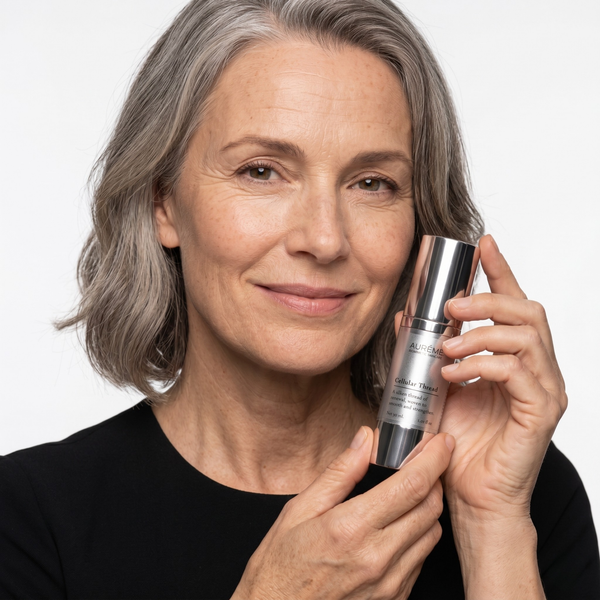
For those seeking to nurture a sensitised complexion during this recovery phase, our [Surface Calm](https://auremeskin.com.au/products/surface-calm) ceramide cleanser was formulated to provide a gentle, non-stripping cleanse that respects the skin’s delicate lipid layer. Following this with a specialised moisturiser like [Balance Biome Crème](https://auremeskin.com.au/products/balance-biome-creme) can further support barrier resilience, as it includes Niacinamide and Bifida Ferment Lysate to help stabilise the microbiome while the skin undergoes its natural repair process.
FAQ
How long does it take for the skin barrier to heal in your 40s?
While superficial symptoms like stinging may subside within days, full functional restoration of the permeability barrier typically takes 15 to 30 days. In mature skin, the epidermal renewal process slows down, meaning that complete recovery of the lipid bilayer and acid mantle may require a full month of avoiding irritants [1][4].
Which specific ingredients should I look for in a repair cream?
Look for products containing 'Ceramide NP', 'Ceramide AP', and 'Ceramide EOP' combined with cholesterol and fatty acids. Additionally, Niacinamide (Vitamin B3) is highly effective as it increases the natural production of ceramides and strengthens the skin's protein structure, while Madecassoside (derived from Centella asiatica) provides potent anti-inflammatory benefits to calm the 'over-exfoliation' burn [2][5].
Can I still use Vitamin C while repairing my barrier?
It is generally advised to pause L-ascorbic acid (pure Vitamin C) during the initial repair phase. L-ascorbic acid requires a low pH (approx. 3.5) to penetrate the skin, which can further irritate an already compromised barrier. Once the stinging sensations have ceased, you may reintroduce a stabilised, pH-neutral derivative like Sodium Ascorbyl Phosphate or Tetrahexyldecyl Ascorbate [3][4].
References:
[1] Del Rosso JQ, et al. The Clinical Relevance of Maintaining the Skin Barrier. Journal of Clinical and Aesthetic Dermatology. 2016;9(9):S2-S17.
[2] Mao-Qiang M, et al. Optimization of physiological lipid mixtures for barrier repair. Journal of Investigative Dermatology. 2021;141(3):567-575. doi:10.1016/j.jid.2020.07.025
[3] Passeron T, et al. Sunscreen and prevention of skin aging and photoaging. Journal of the European Academy of Dermatology and Venereology. 2019;33(S7):19-25. doi:10.1111/jdv.15781
[4] Ghadially R, et al. The Aged Epidermal Permeability Barrier: Structural, Functional, and Lipid Biochemical Abnormalities in Humans and a Senescent Murine Model. Journal of Clinical Investigation. 1995;95(5):2281-2290.
[5] Levin J, et al. How Much Do We Really Know About Our Favorite Cosmeceutical Ingredients? Journal of Clinical and Aesthetic Dermatology. 2010;3(2):22-41.
Medical Disclaimer: This article is for educational purposes only and does not constitute medical advice. Always consult a qualified healthcare professional before starting any new skincare regimen. Content reviewed by a biomedical scientist.