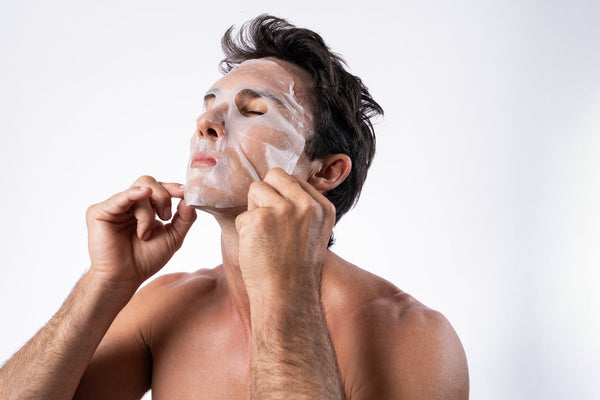
For most individuals seeking to optimise skin health, the general clinical recommendation is to schedule a professional facial every four to six weeks. This timing aligns precisely with the physiological skin cell turnover cycle, known as desquamation, which typically takes approximately 28 to 40 days in healthy adults. By synchronising treatments with this natural regenerative process, practitioners can effectively remove accumulated keratinised debris and stimulate the production of new, healthy cells before they become congested or dull [1][2].
However, this frequency is not a universal mandate and must be specialised according to specific dermatological concerns. For instance, those managing active acne or significant hyperpigmentation may benefit from more frequent interventions—every two to three weeks—during an intensive treatment phase to suppress bacterial proliferation or inhibit melanocyte activity. Conversely, individuals with sensitive skin or compromised barrier function may require longer intervals, such as every eight weeks, to avoid mechanical or chemical over-stimulation that could lead to transepidermal water loss (TEWL) [3][4].
From a biomedical perspective, a professional facial serves as a clinical intervention that transcends superficial cleansing. These treatments utilise medical-grade exfoliants, such as alpha-hydroxy acids (AHAs) or enzymatic peels, to catalyse the breakdown of desmosomes—the protein structures that hold dead skin cells together. This process enhances the penetration of subsequent active ingredients and promotes a more uniform epidermal texture [2][5].
Furthermore, professional techniques such as manual lymphatic drainage or controlled micro-trauma through microneedling can stimulate fibroblasts within the dermis to synthesise collagen and elastin. This helps to counteract the natural structural decline associated with intrinsic ageing. Understanding the inflammatory response is critical; a certain degree of controlled inflammation is necessary for remodelling, but excessive frequency can lead to chronic inflammation, highlighting the importance of tailored clinical scheduling [1][6].
To maintain the benefits of professional exfoliation between appointments, some of our clients incorporate Surface Renew into their ritual, as its blend of AHA fruit enzymes and bromelain gently supports the natural cell turnover process discussed above. For those looking to further enhance this regenerative phase, following with Cellular Thread allows the skin to recognise and utilise specialised peptides, helping to sustain the firmness and luminosity achieved during a clinical facial.
FAQ
Can you get facials too often?
Yes, excessive frequency of professional treatments can lead to 'over-exfoliation syndrome.' This occurs when the stratum corneum is thinned beyond its biological threshold, impairing the skin's barrier function. Scientific evidence suggests that over-treating can lead to chronic erythema via persistent vasodilation and increased sensitivity to environmental pollutants [3][5].
Do I need more facials as I age?
As we age, the rate of cellular turnover significantly slows, often extending to 45–60 days. While this might suggest fewer treatments, the opposite is often true because mature skin requires more exogenous stimulation to maintain texture and radiance. Professional facials for ageing skin focus on biostimulation and hydration to support the thinning dermal matrix [4][6].
What is the best way to maintain results between facials?
To maintain clinical outcomes, a consistent home care regimen incorporating SPF and stabilised vitamin A (retinoids) is essential. These ingredients support the ongoing cellular renewal initiated during the professional treatment. Studies show that patients who follow a prescribed post-care routine experience 40% better retention of skin luminosity compared to those who only rely on the facial itself [1][2].
References:
[1] Levin J, Momin SB. How Much Do We Really Know About Our Favorite Cosmeceutical Ingredients? The Journal of Clinical and Aesthetic Dermatology. 2010;3(2):22-41.
[2] Kurokawa I, et al. New developments in our understanding of acne pathogenesis and treatment. Experimental Dermatology. 2009;18(10):821-832. doi:10.1111/j.1600-0625.2009.00890.x
[3] Del Rosso JQ. The Skin Barrier and Moisturization: The Role of Ceramides. Journal of Clinical and Aesthetic Dermatology. 2013;6(3):19-27.
[4] Farage MA, et al. Characteristics of the Aging Skin. Advances in Wound Care. 2013;2(1):5-10. doi:10.1089/wound.2011.0356
[5] Berson DS, et al. The role of exfoliants in the treatment of photodamaged skin. Journal of the American Academy of Dermatology. 2005;52(3):121.
[6] Giacomoni PU, et al. Aging of human skin: Review of a mechanistic model and first summary of data. IUBMB Life. 2000;49(4):259-263. doi:10.1080/15216540050032941
Medical Disclaimer: This article is for educational purposes only and does not constitute medical advice. Always consult a qualified healthcare professional before starting any new skincare regimen. Content reviewed by a biomedical scientist.