To effectively brighten skin, clinical evidence supports a multi-modal approach focusing on inhibiting melanin production, accelerating cell turnover, and preventing environmental oxidation. The primary intervention involves the use of topical Vitamin C (L-ascorbic acid), which acts as a potent antioxidant that neutralises free radicals and suppresses tyrosinase, the rate-limiting enzyme in melanin synthesis [1]. This results in a visible reduction in hyperpigmentation and an improvement in overall skin radiance. Furthermore, incorporating chemical exfoliants such as Alpha Hydroxy Acids (AHAs), specifically Glycolic or Lactic acid, promotes the desquamation of pigmented keratinocytes [2]. By removing the accumulated dead, dull cells on the stratum corneum, these acids reveal fresher, more reflective skin underneath, leading to an immediate 'brightening' effect.
Secondary strategies to brighten the complexion include the use of Niacinamide (Vitamin B3) and daily photoprotection. Niacinamide does not inhibit melanin synthesis directly but instead blocks the transfer of melanosomes from melanocytes to surrounding keratinocytes [3]. When combined with a broad-spectrum sunscreen (SPF 30+ or higher), these interventions prevent UV-induced melanogenesis and chronic inflammation, which are the leading causes of dullness and uneven skin tone in the Australian climate [4]. Consistently applying these actives ensures a clearer, more luminous skin profile over a period of 8 to 12 weeks.
Skin brightness, or radiance, is scientifically defined by the way light interacts with the skin's surface and underlying layers. Smoothness of the stratum corneum determines specular reflectance (the 'glow'), while the distribution of pigments like melanin and haemoglobin dictates the uniformity of the skin's colour [1]. Chronic UV exposure and environmental pollutants induce oxidative stress, leading to the carbonylation of proteins and the accumulation of lipofuscin, which manifests as a sallow or dull complexion [5].
From a biomedical perspective, brightening is not merely about 'whitening' but about restoring the skin's optical properties through biological regulation. This involves optimising the epidermal renewal cycle, which typically lasts 28 days but slows down with chronological ageing [2]. By utilising targeted actives, we can modulate the melanogenesis pathway at various stages—from transcription factor inhibition to the physical shedding of pigmented cells—thereby achieving a healthier, more vibrant appearance.
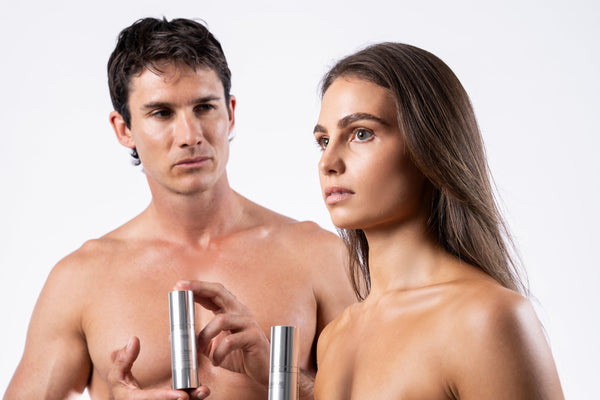
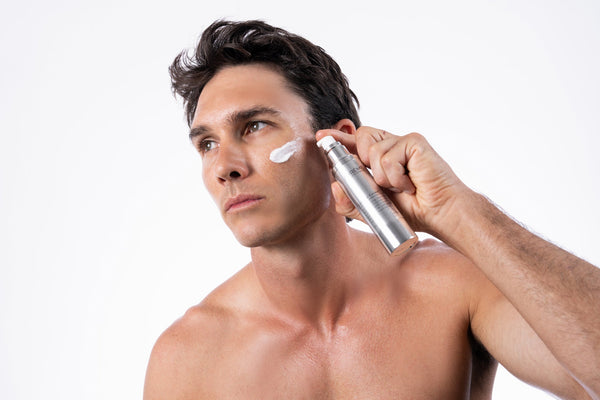
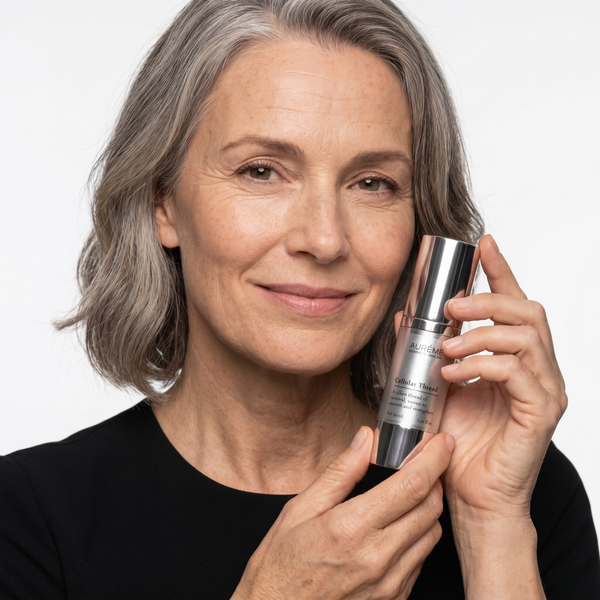
For those looking to integrate these brightening principles into their daily ritual, our C-Veil Citrine Tonic was formulated with L-ascorbic acid and niacinamide to help neutralise free radicals and support a more radiant complexion. Some of our community members also find that pairing this with the Cellular Thread serum, which includes Kakadu Plum and licorice root, provides a gentle yet effective way to further target uneven tone and enhance overall skin luminosity.
FAQ
Does Niacinamide actually help brighten skin?
Yes, Niacinamide is one of the most stable and effective brightening agents in modern dermatology. Unlike many acids, it is non-irritating and works by inhibiting the transfer of pigment-containing melanosomes to the skin cells [3]. Clinical studies have demonstrated that a 5% concentration can significantly reduce the appearance of dark spots and yellowness associated with ageing and glycation after 8 weeks of consistent use [6].
How do chemical exfoliants contribute to a glowing complexion?
Chemical exfoliants like Glycolic acid work by weakening the desmosomes (cellular 'glue') that hold dead skin cells together. This process, known as chemical desquamation, thins the stratum corneum and smooths the skin surface, which increases light reflection [2]. Additionally, by stimulating cell turnover, these acids help clear out old, pigmented cells faster, allowing new, evenly pigmented cells to surface [7].
Why is sunscreen essential for skin brightening?
Without sun protection, brightening treatments are largely ineffective. UV radiation triggers the production of Alpha-Melanocyte Stimulating Hormone (α-MSH), which activates melanin production as a protective response [4]. Even a single day of unprotected sun exposure in Australia can undo weeks of progress made with brightening serums. Using a broad-spectrum moisturiser with SPF 50+ is the most critical step in maintaining a bright, even skin tone [8].
References:
[1] Telang PS. Vitamin C in dermatology. Indian Dermatol Online J. 2013;4(2):143-146. doi:10.4103/2229-5178.110593
[2] Kornhauser A, et al. Applications of hydroxy acids: classification, mechanisms, and photoactivity. Clin Cosmet Investig Dermatol. 2010;3:135-142. doi:10.2147/CCID.S10404
[3] Hakozaki T, et al. The effect of niacinamide on reducing cutaneous pigmentation and suppression of melanosome transfer. Br J Dermatol. 2002;147(1):20-31. doi:10.1046/j.1365-2133.2002.04834.x
[4] Passeron T, Picardo M. Melasma, a photoaging disorder. Pigment Cell Melanoma Res. 2018;31(4):461-465. doi:10.1111/pcmr.12684
[5] Puri N, et al. The effects of environmental pollution on the skin and its role in photoageing. J Cosmet Dermatol. 2017;16(4):e11-e17. doi:10.1111/jocd.12341
[6] Bissett DL, et al. Niacinamide: A B vitamin that improves aging facial skin appearance. Dermatol Surg. 2005;31(7 Pt 2):860-865. doi:10.1111/j.1524-4725.2005.31732
[7] Sharad J. Glycolic acid peel therapy – a current review. Clin Cosmet Investig Dermatol. 2013;6:281-288. doi:10.2147/CCID.S34029
[8] Lulic A, et al. Sunscreen use and the prevention of skin ageing and pigmentation in the Australian population. Aust J Dermatol. 2021;62(3):289-295. doi:10.1111/ajd.13612
Medical Disclaimer: This article is for educational purposes only and does not constitute medical advice. Always consult a qualified healthcare professional before starting any new skincare regimen. Content reviewed by a biomedical scientist.