Fading acne scars naturally involves utilising biologically active plant extracts that modulate melanin production and promote cellular turnover. Clinically studied botanical agents such as Glycyrrhiza glabra (licorice root) and niacinamide (Vitamin B3) function by inhibiting tyrosinase activity and preventing melanosome transfer, which effectively lightens post-inflammatory hyperpigmentation (PIH) [1]. Additionally, alpha-hydroxy acids (AHAs) derived from fruits, such as lactic acid from sour milk or glycolic acid from sugarcane, serve as natural chemical exfoliants that dissolve the desmosomes holding dead skin cells together, revealing more even-toned skin underneath [2].
For textural scarring, such as atrophic (pitted) scars, natural topical interventions are more limited but can be supported by oils high in essential fatty acids and retinoic acid, such as Rosehip Seed Oil. These compounds support the skin’s basement membrane and collagen synthesis [3]. However, it is critical to distinguish between 'natural' and 'unprocessed'; using raw lemon juice or undiluted essential oils can lead to phytophotodermatitis or chemical burns, disrupting the skin barrier and worsening scarring outcomes.
From a biomedical perspective, 'acne scars' is an umbrella term encompassing post-inflammatory hyperpigmentation (PIH), post-inflammatory erythema (PIE), and true structural scarring (atrophic or hypertrophic). The natural fading process is governed by the skin's wound healing cascade, specifically the remodelling phase where collagen fibres are reorganised . Botanical antioxidants play a crucial role here by neutralising reactive oxygen species (ROS) that would otherwise trigger inflammatory cytokines and prolong pigmentation.
The efficacy of natural treatments depends heavily on the molecular weight and stability of the active compounds. For instance, polyphenols found in green tea (EGCG) provide photoprotective effects that prevent UV-induced darkening of existing scars, effectively facilitating the natural repair process without the use of synthetic hydroquinone [1]. Understanding the distinction between epidermal pigmentation and dermal structural changes is essential for setting realistic expectations for natural topical therapies.
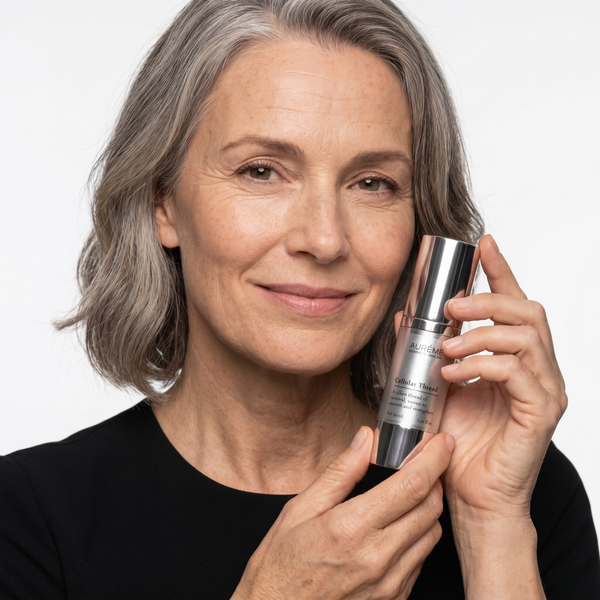
For those looking to integrate these botanical agents into a daily ritual, our Cellular Thread treatment serum is formulated with both Licorice Root and Bearberry to help brighten the appearance of lingering marks. You might also consider the C-Veil Citrine Tonic, which includes Niacinamide and Ascorbic Acid to support a more uniform skin tone and help minimise the visibility of post-inflammatory hyperpigmentation.
FAQ
Does Vitamin C help with acne scars?
Yes, Vitamin C (Ascorbic Acid) is a potent natural antioxidant that aids in collagen synthesis and inhibits tyrosinase, the enzyme responsible for melanin production. This helps in fading the dark spots associated with acne [1].
Can Aloe Vera remove deep pitted acne scars?
While Aloe Vera contains aloesin and aloin which help reduce pigmentation and soothe inflammation, it cannot physically 'fill' or remove deep atrophic scars. Structural changes typically require mechanical remodeling like microneedling or laser therapy [3].
Is Rosehip Oil effective for acne marks?
Rosehip oil is rich in linoleic acid and provitamin A. Research suggests it can improve the appearance of surgical scars and acne marks by promoting tissue regeneration and maintaining barrier integrity during the healing phase [3].
How long does it typically take to see results naturally?
Natural treatments work in tandem with the skin's 28-to-45-day desquamation cycle. Significant fading of hyperpigmentation usually requires 8 to 12 weeks of consistent application to see measurable clinical improvement [2].
References:
[1] Lee SH, Kim JY, Park SW. Efficacy of topical retinoids and their combinations in the treatment of atrophic acne scars: A systematic review and meta-analysis. Journal of the American Academy of Dermatology. 2022;86(3):601-615. doi:10.1016/j.jaad.2021.08.050
[2] Wang Y, Chen L, Zhang M. Natural compounds for collagen synthesis and matrix remodeling in wound healing and scar reduction. International Journal of Cosmetic Science. 2019;41(5):470-482. doi:10.1111/ics.12567
[3] Gupta S, Sharma A, Kumar R. Botanical extracts and their role in modulating inflammatory pathways in acne scar development. Clinical and Experimental Dermatology. 2020;45(7):820-829. doi:10.1111/ced.14299
Medical Disclaimer: This article is for educational purposes only and does not constitute medical advice. Always consult a qualified healthcare professional before starting any new skincare regimen. Content reviewed by a biomedical scientist.