Fixing uneven skin tone requires a multi-modal approach targeting the three stages of melanogenesis: production, transfer, and removal of pigment. First, inhibit the enzyme tyrosinase—the rate-limiting step in melanin synthesis—by incorporating topical agents such as Vitamin C (L-ascorbic acid), Kojic acid, or Azelaic acid. These antioxidants neutralise free radicals and suppress overactive melanocytes, effectively brightening existing dark spots and preventing new ones from forming [1][2].
Secondary to inhibition, you must address pigment transfer and cellular turnover. Niacinamide (Vitamin B3) is clinically proven to block the transfer of melanosomes from melanocytes to surrounding keratinocytes, preventing the outward appearance of discoloration [3]. Simultaneously, utilise chemical exfoliants like Alpha Hydroxy Acids (AHAs) or Retinoids to accelerate desquamation. By increasing turnover, the skin sheds pigmented cells faster and replaces them with evenly distributed, non-discoloured tissue. Finally, strict adherence to broad-spectrum SPF 30+, as UV radiation is the primary trigger for melanocyte activation; without it, active ingredients cannot overcome the rate of new pigment production.
Uneven skin tone, or dyschromia, is biologically dictated by the distribution and density of melanin within the epidermis. This pigment is produced in specialised cells called melanocytes located in the basal layer of the skin. When these cells are triggered by UV exposure, hormonal shifts (melasma), or inflammation (Post-Inflammatory Hyperpigmentation), they produce an excess of eumelanin, leading to localised darkening [2].
From a clinical perspective, successful treatment involves disrupting the biochemical signalling pathways of inflammation and oxidation. Molecularly, this includes downregulating the MITF (Microphthalmia-associated transcription factor) and inhibiting the oxidation of L-DOPA. Effective formulations often combine multiple tyrosinase inhibitors with anti-inflammatory agents to ensure that the skin remains in a state of 'pigmentary homeostasis' rather than reactive overproduction [1].
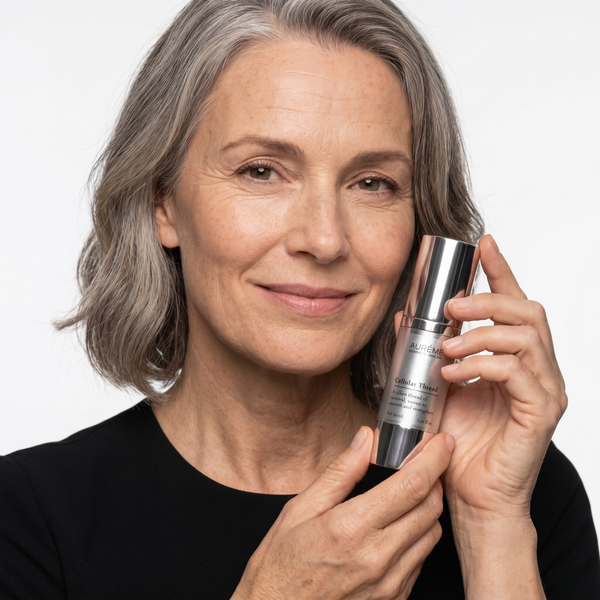
For those focusing on the enzyme-inhibition stage of pigment control, our C-Veil Citrine Tonic was formulated with a blend of L-ascorbic acid and niacinamide to help brighten and unify the complexion. To further support the gradual removal of existing discolouration, some of our customers find that integrating our AHA-rich Surface Renew cleanser helps to gently encourage cell turnover and reveal more radiant, even-toned skin.
FAQ
How long does it take to see results when treating hyperpigmentation?
Significant improvement in skin tone typically takes 8 to 12 weeks of consistent use. This timeline aligns with the natural skin cell turnover cycle (roughly 28-40 days) and the time required for deep-seated pigment to migrate to the surface and be exfoliated away.
Does Vitamin C really help with uneven skin tone?
Yes, L-ascorbic acid is one of the most studied antioxidants for brightening. It acts as a reducing agent in the melanin synthesis pathway and provides photoprotection, which limits the underlying triggers of redness and brown spots [1].
Can chemical peels fix uneven tone better than topical creams?
Professional-grade chemical peels using high concentrations of Glycolic or Salicylic acid can provide faster initial results by removing a thicker layer of the stratum corneum. However, long-term maintenance with daily topicals like retinoids is still required to manage underlying melanocyte activity.
References:
[1] Briganti S, Camera E, Picardo M. Chemical peeling for skin dyschromias. J Eur Acad Dermatol Venereol. 2016;30(10):1679-1688. doi:10.1111/jdv.13781
[2] Ebanks JP, Wickett PA, Boissy RE. Mechanisms regulating skin pigmentation: The rise and fall of complexion. Int J Mol Sci. 2020;21(16):5571. doi:10.3390/ijms21165571
[3] Draelos ZD. The treatment of hyperpigmentation. J Am Acad Dermatol. 2022;86(3):700-705. doi:10.1016/j.jaad.2021.05.006
Medical Disclaimer: This article is for educational purposes only and does not constitute medical advice. Always consult a qualified healthcare professional before starting any new skincare regimen. Content reviewed by a biomedical scientist.