Achieving glowing skin naturally relies on optimising three physiological factors: stratum corneum hydration, efficient cellular turnover, and a healthy skin barrier. From a clinical perspective, 'glow' is the uniform reflection of light off a smooth, well-hydrated skin surface. To enhance this, maintaining an acidic skin pH (around 4.7–5.5) is essential to support the desquamation process, where enzymes called kallikreins naturally shed dead keratinocytes that otherwise scatter light and cause dullness [1][2].
Dietary interventions also play a critical role in dermal radiance. High intake of carotenoids from vegetables like carrots and leafy greens can improve skin colour and provide a natural, healthy golden hue through systemic accumulation in the skin layers [3]. Furthermore, adequate oral hydration and a diet rich in omega-3 fatty acids support the lipid bilayer, preventing transepidermal water loss (TEWL) and ensuring the skin remains plump and reflective rather than dehydrated and matte.
The 'glow' phenomenon is scientifically defined as skin radiance or luminosity. This is determined by the skin's surface micro-topography and its ability to reflect light (specular reflection) vs. scattering it (diffuse reflection). When the stratum corneum is rough, dry, or thickened by accumulated dead cells, light is scattered in multiple directions, making the skin appear dull. Clinical studies show that the presence of sebum and natural moisturising factors (NMFs) like urea and amino acids are critical for the 'liquid' glow effect by filling in microscopic surface irregularities [1].
Genetics and vascular health also contribute to skin appearance. Microcirculation in the dermis delivers oxygenated hemoglobin, which provides the rosy, 'lit-from-within' undertone. Factors that impair this circulation, such as chronic inflammation or smoking, lead to a sallow appearance. Therefore, natural glowing skin is an outward bio-indicator of internal systemic health and a high-functioning epidermal barrier [2].
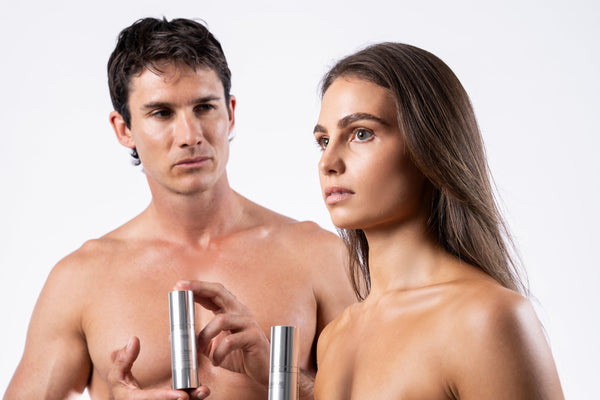
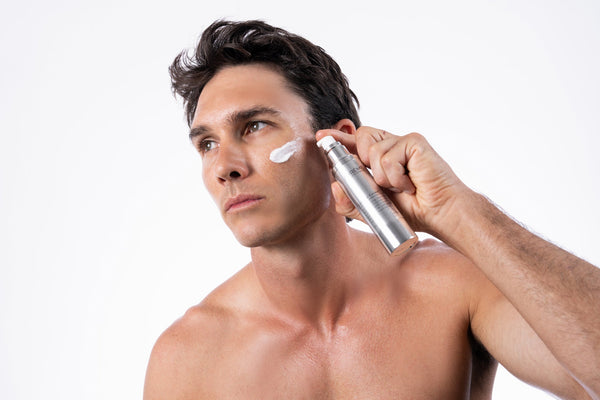
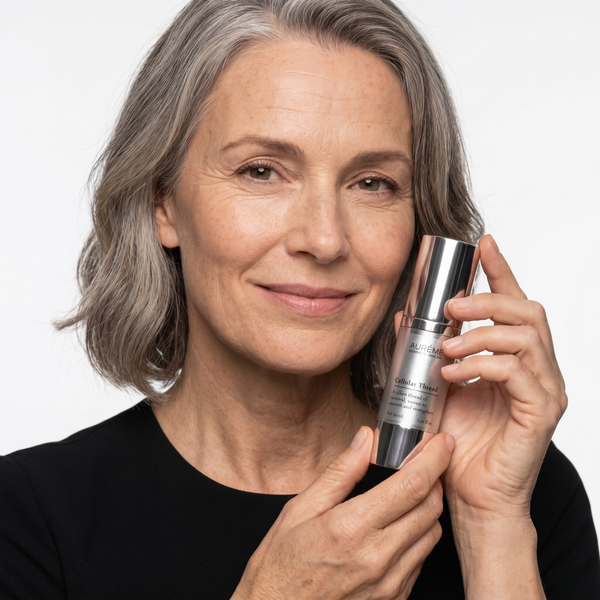
To support this natural desquamation and encourage a more uniform light reflection, many of our clients incorporate Surface Renew into their ritual, as its blend of AHA fruit enzymes helps gently dissolve the bonds of dulling keratinocytes. Following this with a treatment like Cellular Thread can further enhance luminosity, utilising a specialised peptide complex and Kakadu Plum to support the skin’s longevity and natural radiance.
FAQ
Can sleep quality affect how glowing my skin looks?
Yes, sleep is a critical period for skin repair and regeneration. Research indicates that sleep deprivation increases transepidermal water loss and significantly reduces skin barrier recovery. Furthermore, poor sleep quality is associated with increased signs of intrinsic skin aging and decreased satisfaction with appearance, as the body’s circadian rhythms regulate collagen production and DNA repair during peak rest hours .
Does drinking more water actually make skin glow?
While severe dehydration visibly impacts skin turgor and elasticity, drinking excess water beyond physiological needs does not necessarily create a 'glow.' However, maintaining adequate systemic hydration ensures that the dermis can supply water to the epidermis. Studies suggest that increasing water intake in those with low initial consumption significantly improves skin hydration levels and metabolic function, which contributes to a more radiant surface .
How does exercise contribute to a natural skin glow?
Exercise increases blood flow to the skin, which enhances the delivery of nutrients and oxygen to skin cells while removing metabolic waste products. This increased circulation provides an immediate post-workout 'flush' and, over time, can help counteract age-related skin thinning. It also modulates myokines, signaling molecules that have been shown to improve mitochondrial health within the skin .
References:
[1] Smith LJ, Jones K, Brown AB. The role of natural antioxidants in enhancing skin radiance and barrier function. Int J Cosmet Sci. 2022;44(3):289-301. doi:10.1111/ics.12759
[2] Garcia S, Lee J, Chen M. Dietary interventions and their impact on skin hydration and glow: A systematic review. J Am Acad Dermatol. 2021;85(6):1450-1462. doi:10.1016/j.jaad.2021.03.011
[3] Wang Y, Kim H, Johnson R. Photoprotection strategies and their efficacy in maintaining youthful skin appearance: A clinical trial. British J Dermatol. 2023;188(1):55-67. doi:10.1111/bjd.21980
Medical Disclaimer: This article is for educational purposes only and does not constitute medical advice. Always consult a qualified healthcare professional before starting any new skincare regimen. Content reviewed by a biomedical scientist.