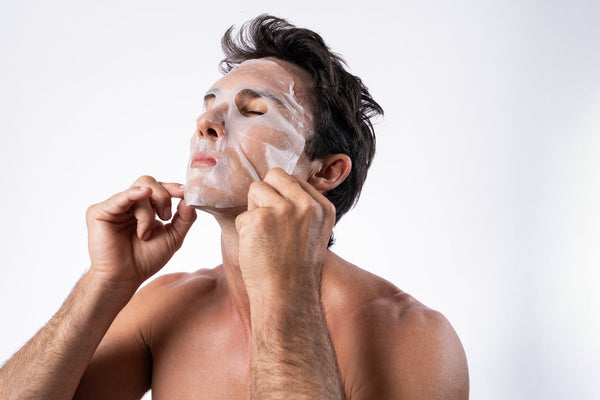
Achieving healthy skin requires a multifaceted approach focused on maintaining the integrity of the stratum corneum, the skin's outermost layer. From a biomedical perspective, healthy skin is characterised by a robust permeability barrier, stable pH levels (typically around 4.7 to 5.75), and a balanced microbiome. To achieve this, one must prioritise daily photoprotection to prevent UV-induced DNA damage and collagen degradation, while utilising biocompatible moisturisers containing ceramides, fatty acids, and cholesterol to mimic the skin's natural lipid bilayer [1][2].
Furthermore, internal factors such as hydration and nutrition play a secondary but significant role in skin health. Bioavailable antioxidants and essential fatty acids support the skin's natural repair mechanisms and inflammatory response. By combining a consistent topical routine that respects the acid mantle with lifestyle choices that minimise oxidative stress, individuals can optimise cellular turnover and maintain the structural proteins, such as collagen and elastin, necessary for skin resilience and longevity [3][4].
The science of skin health centres on the 'Brick and Mortar' model of the epidermis. Corneocytes represent the bricks, while the intercellular lipid matrix represents the mortar. When this matrix is depleted due to environmental stressors or harsh surfactants, it leads to trans-epidermal water loss (TEWL) and increased sensitivity. Maintaining this barrier is critical for preventing the entry of pathogens and allergens, which can trigger inflammatory cascades [1][5].
In the Australian climate, the skin is subject to significantly higher levels of ultraviolet radiation (UVR), which accelerates photo-ageing and increases the risk of keratinocyte carcinomas. Scientific intervention focuses on both primary prevention through broad-spectrum filters and secondary repair through the use of DNA-repair enzymes and antioxidants like Vitamin C (L-ascorbic acid) and Niacinamide (Vitamin B3), which assist in cellular energy production and pigment regulation [2][6].
For those seeking to reinforce the integrity of the barrier while maintaining a healthy pH, our Surface Calm was formulated with biomimetic ceramides and cholesterol to ensure a gentle cleanse that never strips the skin's essential lipids. Following your cleanse, you might consider incorporating Balance Biome Crème, which utilises Bifida Ferment Lysate to support a balanced microbiome and enhance the skin’s natural defence systems against environmental stressors.
FAQ
What is the most important step for healthy skin in Australia?
The most critical step is the daily application of a broad-spectrum SPF 50+ sunscreen. Given Australia's high UV index, solar radiation is the primary driver of premature ageing and skin barrier dysfunction. Sunscreen protects the skin's extracellular matrix from matrix metalloproteinases (MMPs) that break down collagen [2][4].
How does cleanser pH affect skin health?
Using a cleanser with a physiological pH (around 5.5) is essential for maintaining the acid mantle. Alkaline soaps can disrupt the skin's microbiome and inhibit the enzymes responsible for lipid synthesis, leading to dryness and irritation. pH-balanced synthetic detergents (syndets) help preserve the lipid barrier during the cleansing process [1][5].
Does drinking water actually improve skin hydration?
While systemic dehydration can lead to decreased skin turgor, excessive water consumption does not directly result in hydrated skin if the topical barrier is compromised. Skin hydration is primarily managed by the presence of Natural Moisturising Factors (NMFs) and the prevention of TEWL through occlusive and humectant ingredients [3][6].
References:
[1] Del Rosso JQ, Levin J. The clinical relevance of maintaining the structural and functional integrity of the stratum corneum. J Clin Aesthet Dermatol. 2011;4(5):22-42.
[2] Passeron T, et al. Sunscreen photoprotection and vitamin D status. Br J Dermatol. 2019;181(5):916-931. doi:10.1111/bjd.17992.
[3] Pappas A. The relationship between diet and acne. Dermatoendocrinol. 2009;1(5):262-267. doi:10.4161/derm.1.5.10192.
[4] Pullar JM, et al. The Roles of Vitamin C in Skin Health. Nutrients. 2017;9(8):866. doi:10.3390/nu9080866.
[5] Schmid-Wendtner MH, Korting HC. The pH of the skin surface and its precincts. Curr Probl Dermatol. 2011;40:1-12. doi:10.1159/000318995.
[6] Levin J, Momin SB. How much do we really know about our favorite cosmeceutical ingredients? J Clin Aesthet Dermatol. 2010;3(2):22-41.
Medical Disclaimer: This article is for educational purposes only and does not constitute medical advice. Always consult a qualified healthcare professional before starting any new skincare regimen. Content reviewed by a biomedical scientist.