In clinical dermatology, 'perfect' skin is defined by structural integrity, high epidermal water content, and the absence of inflammatory lesions or dyschromia. Achieving this state requires a multi-factorial approach focused on maintaining the acid mantle and lipid barrier through physiological moisturisers containing ceramides, cholesterol, and fatty acids [1]. Consistent application of broad-spectrum SPF 50+ is the most critical intervention for Australians to prevent UV-induced solar elastosis and DNA damage, which degrade the skin's collagen matrix and lead to 'imperfections' like fine lines and hyperpigmentation [2].
Beyond basic protection, the strategic use of retinoids (Vitamin A) is considered the gold standard for refining skin texture and clarity. Retinoids work at a cellular level to normalise keratinisation and stimulate pro-collagen synthesis, which minimises the appearance of pores and smooths the skin surface [3]. When combined with targeted antioxidants like Vitamin C (L-ascorbic acid), these interventions neutralise oxidative stress and inhibit tyrosinase activity, leading to a more uniform skin tone and enhanced radiance [4].
From a biomedical perspective, the appearance of the skin is a direct reflection of its physiological health and homeostatic balance. The skin barrier, or stratum corneum, acts as a biosensor; when disrupted, it triggers inflammatory cascades that manifest as redness, roughness, and acne [1]. Perfecting the skin involves optimising the Desquamation process—the natural shedding of dead cells—which can become sluggish with age or environmental stress.
Furthermore, the dermal-epidermal junction (DEJ) plays a vital role in nutrient exchange and structural support. As we age, the DEJ flattens, leading to increased fragility and a loss of 'glow' [3]. Scientific skincare aims to reinforce this junction and protect the extracellular matrix from matrix metalloproteinases (MMPs), enzymes stimulated by UV radiation that break down collagen and elastin fibres [2].
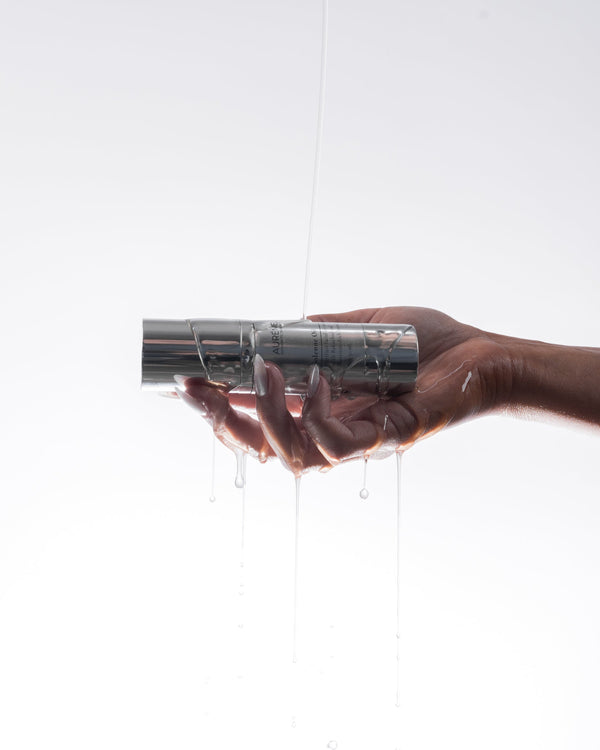
For those seeking to support the skin’s structural integrity and minimise the signs of ageing, Cellular Thread is formulated with a specialised peptide complex that the skin readily recognises to help maintain firmness. To further protect the lipid barrier as discussed, many find that pairing this with Cellular Crème provides the deep hydration and essential fatty acids necessary for a supple, youth-preserved complexion.
FAQ
Does drinking more water lead to perfect skin?
While systemic hydration is essential for overall health, clinical studies suggest that increasing water intake in already hydrated individuals has a negligible impact on skin hydration levels [5]. Skin hydration is primarily governed by the integrity of the stratum corneum and its ability to prevent Trans-Epidermal Water Loss (TEWL). Topical humectants like hyaluronic acid and occlusives are more effective for 'perfecting' skin moisture levels than excessive oral intake [1].
Can chemical exfoliants improve skin texture safely?
Yes, Alpha Hydroxy Acids (AHAs) like glycolic and lactic acid weaken the desmosomes that hold dead skin cells together, promoting cellular turnover [6]. This process reveals a smoother, more light-reflective surface. However, overuse can lead to barrier impairment and 'hotspots' of inflammation. For an Australian climate, lactic acid is often preferred due to its larger molecular size and natural humectant properties, making it less sensitising than glycolic acid [4].
Why is Vitamin C crucial for a perfect complexion?
Vitamin C is a potent antioxidant that serves as a necessary cofactor for the enzymes lysyl and prolyl hydroxylase, which stabilise the collagen molecule [4]. Additionally, it provides a 'second line of defence' against UV damage when layered under sunscreen by neutralising free radicals. Clinically, it is proven to reduce melanin production by inhibiting the enzyme tyrosinase, which corrects uneven skin tone and dullness [7].
References:
[1] Del Rosso JQ, et al. Journal of Clinical and Aesthetic Dermatology. 2016;9(12):30-44. doi:10.12788/0013-9270-34.2.11
[2] Lantz AF, et al. Australasian Journal of Dermatology. 2020;61(4):281-288. doi:10.1111/ajd.13328
[3] Zasada M, et al. Advances in Dermatology and Allergology. 2019;36(4):392-397. doi:10.5114/ada.2019.87443
[4] Pullar JM, et al. Nutrients. 2017;9(8):866. doi:10.3390/nu9080866
[5] Akdeniz M, et al. Nutrients. 2018;10(12):1917. doi:10.3390/nu10121917
[6] Sharad J. Clinical, Cosmetic and Investigational Dermatology. 2013;6:281-288. doi:10.2147/CCID.S39632
[7] Telang PS. Indian Dermatology Online Journal. 2013;4(2):143-146. doi:10.4103/2229-5178.110593
Medical Disclaimer: This article is for educational purposes only and does not constitute medical advice. Always consult a qualified healthcare professional before starting any new skincare regimen. Content reviewed by a biomedical scientist.