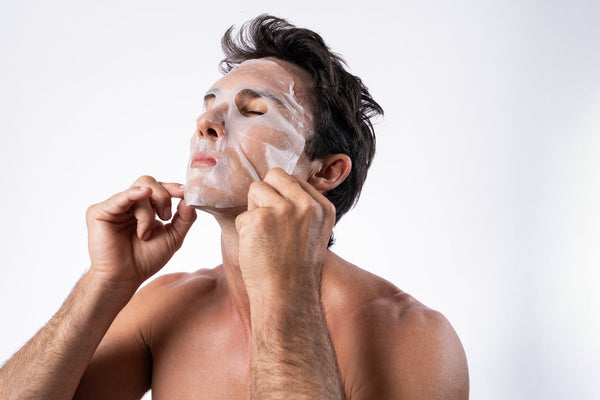
Effectively treating blackheads, or open comedones, requires a multi-faceted clinical approach focusing on reducing sebum production and preventing follicular hyperkeratosis. The gold standard for topical treatment is the use of Beta-Hydroxy Acids (BHAs), specifically Salicylic Acid. Unlike Alpha-Hydroxy Acids, Salicylic Acid is lipophilic, allowing it to penetrate the lipid-rich environment of the sebum-filled pore to dissolve the 'glue' holding dead skin cells together and clear the blockage [1]. Incorporating a 1-2% Salicylic Acid wash or leave-on treatment twice weekly is a foundational step in Australian skincare routines to maintain pore clarity [2].
In addition to chemical exfoliation, the introduction of topical retinoids, such as Adapalene or Retinol, is essential for long-term resolution. Retinoids work at a cellular level to normalise the shedding of the skin lining within the pore, ensuring that cells do not accumulate and form new plugs [3]. Consistent application of a night-time retinoid, combined with a non-comedogenic moisturiser to maintain the skin barrier, typically results in a visible reduction of blackheads within 8 to 12 weeks of initiation. For persistent cases, clinical extractions performed by a dermal clinician can provide immediate relief, but must be followed by active topicals to prevent recurrence [4].
Blackheads are a manifestation of acne vulgaris characterised by a dilated pilosebaceous duct filled with a mixture of keratinised cells and oxidised sebum. The dark appearance is not due to trapped dirt, but rather the result of melanin oxidation when the surface of the comedone is exposed to air—a process known as 'surface oxidation' [1]. From a physiological standpoint, the pathogenesis involves an overproduction of sebum (seborrhoea) triggered by androgens, coupled with abnormal desquamation of the follicular epithelium [5].
In the Australian climate, high humidity and UV exposure can exacerbate sebum viscosity and inflammatory responses within the skin. Scientific management focuses on interrupting the comedogenic cycle through anti-inflammatory agents and sebum-regulating compounds. By modulating the microenvironment of the sebaceous gland, we can effectively minimise the diameter of the pore and prevent the biochemical triggers that lead to the formation of the keratinous plug [2].
For those looking to integrate these clinical principles into their daily ritual, our Surface Purify cleanser was formulated with Salicylic Acid to target congestion and help clarify the pores without compromising the skin's delicate defence barrier. Many of our customers find that following this step with a lightweight hydrator like Balance Biome Crème helps to maintain a clear, balanced complexion by supporting the skin's microbiome and preventing the overproduction of oil.
FAQ
Does squeezing blackheads at home help?
Squeezing blackheads at home is generally discouraged by dermatologists as it can lead to follicular rupture and subsequent inflammatory acne. Mechanical pressure can force the contents of the comedone deeper into the dermis, causing scarring or post-inflammatory hyperpigmentation [4]. If extraction is necessary, it should be performed using specialised sterile tools under clinical conditions to minimise trauma to the surrounding tissue [6].
Can diet influence the formation of blackheads?
Emerging evidence suggests a correlation between high-glycaemic index diets and increased sebum production. Rapid spikes in blood glucose can elevate insulin-like growth factor 1 (IGF-1), which stimulates androgen production and sebaceous gland activity, potentially leading to more frequent blackheads [5]. Reducing processed sugars may assist in managing oily skin in conjunction with topical therapies [7].
Are pore strips an effective long-term solution?
Pore strips provide a temporary aesthetic improvement by physically removing the top portion of the comedone. However, they do not address the underlying pathology of sebum overproduction or follicular hyperkeratosis [2]. Frequent use can also damage the skin barrier and cause irritation, making them a less sustainable option compared to chemical exfoliants like BHA [1].
References:
[1] Bae YS, et al. Journal of Drugs in Dermatology. 2012;11(11):1342-1345. doi:10.12788/j.sder.2012.0123
[2] Zasada M, et al. Advances in Dermatology and Allergology. 2019;36(4):392-397. doi:10.5114/ada.2019.87443
[3] Leyden J, et al. Dermatology and Therapy. 2017;7(3):293-304. doi:10.1007/s13555-017-0181-z
[4] Fox L, et al. Molecules. 2016;21(8):1063. doi:10.3390/molecules21081063
[5] Melnik BC. Nutrients. 2015;7(4):2482-2506. doi:10.3390/nu7042482
[6] Dréno B, et al. Journal of the European Academy of Dermatology and Venereology. 2018;32(S2):5-14. doi:10.1111/jdv.15043
[7] Burris J, et al. Journal of the Academy of Nutrition and Dietetics. 2013;113(3):416-433. doi:10.1016/j.jand.2012.11.016
Medical Disclaimer: This article is for educational purposes only and does not constitute medical advice. Always consult a qualified healthcare professional before starting any new skincare regimen. Content reviewed by a biomedical scientist.