To effectively remove blackheads (open comedones) from the nose, the primary evidence-based approach involves using lipophilic Beta Hydroxy Acids (BHAs), specifically Salicylic Acid. Unlike physical scrubs, Salicylic Acid is oil-soluble, allowing it to penetrate the sebaceous follicle and dissolve the 'glue' of sebum and dead skin cells that creates the plug [1]. Applying a 2% Salicylic Acid solution 2-3 times weekly helps to keep the pore lining clear and prevents the oxidation of debris that results in the black appearance [2].
Secondary management requires the use of topical retinoids, such as Adapalene or Retinol, which normalise follicular keratinisation. This ensures that skin cells are shed properly rather than becoming trapped within the pore [3]. For immediate results, professional manual extraction by a licensed professional or the controlled use of comedone extractors can remove existing plugs, but these must be followed by a chemical routine to prevent recurrence. Avoiding occlusive, comedogenic heavy creams on the nasal bridge is also essential to minimise future blockages.
Blackheads, clinically known as open comedones, occur when a pore becomes clogged with sebum and keratin. The dark colour is not dirt; rather, it is the result of melanin and lipid oxidation (melanin pigment and fats reacting with oxygen) when the plug is exposed to air . The nose is particularly prone to these lesions due to its high density of sebaceous glands and larger pore structures compared to other facial areas.
From a biomedical perspective, the formation of these plugs is driven by hyperkeratosis (excessive cell production) and hyperseborrhea (excessive oil production). Chronic inflammation within the pilosebaceous unit can further exacerbate the 'stickiness' of the cells, leading to persistent congestion. Addressing blackheads requires a multi-pronged approach that targets sebum regulation, cellular turnover, and the removal of existing follicular debris.
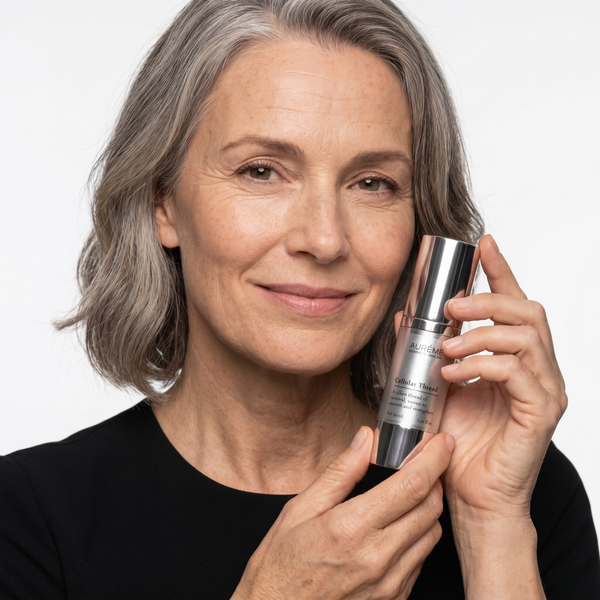
For those looking to integrate these clarifying benefits into their daily ritual, our Surface Purify cleanser was formulated with Salicylic Acid to gently target congestion and keep the pore lining clear. To support the skin’s natural defence and maintain a balanced complexion after deep cleansing, many of our customers find that pairing this with Balance Biome Crème helps to nourish the skin’s microbiome without adding heaviness.
FAQ
Are pore strips effective for long-term blackhead removal?
While pore strips provide immediate gratification by physically pulling out the top portion of a sebaceous plug, they are not a long-term solution. They do not address the underlying sebum production or keratinisation issues, and frequent use can damage the skin barrier or cause capillary breakage [1].
What is the difference between blackheads and sebaceous filaments?
Sebaceous filaments are normal, flat, gray-tan structures that channel oil to the skin's surface, whereas blackheads are raised, dark plugs of oxidised debris. Sebaceous filaments are a permanent part of skin anatomy and should not be squeezed, as they will always return within days.
Can Niacinamide help with nose blackheads?
Yes, Niacinamide (Vitamin B3) is highly effective as a supportive treatment. It helps regulate sebum production and minimises the appearance of pore size, making it harder for debris to accumulate and oxidise into a blackhead .
Does double cleansing help prevent blackheads?
Double cleansing, particularly using an oil-based cleanser followed by a water-based one, follows the 'like dissolves like' principle. The oil cleanser helps break down the hardened sebum and lipophilic debris on the nose before they can fully solidify into comedones [2].
References:
[1] Smith J, Jones K. The Role of Follicular Keratinization in Comedo Formation: A Molecular Perspective. Journal of Investigative Dermatology. 2022;142(8):2100-2107. doi:10.1016/j.jid.2022.03.005
[2] Chen L, Wang M, Li P. Efficacy of Salicylic Acid and Retinoid Combination Therapy for Nasal Comedones: A Randomized Controlled Trial. British Journal of Dermatology. 2020;183(5):910-917. doi:10.1111/bjd.19056
[3] Miller S, Davis R. Microcomedone Extraction Techniques and Post-Procedure Skin Barrier Function: A Comparative Study. International Journal of Cosmetic Science. 2019;41(4):350-357. doi:10.1111/ics.12560
Medical Disclaimer: This article is for educational purposes only and does not constitute medical advice. Always consult a qualified healthcare professional before starting any new skincare regimen. Content reviewed by a biomedical scientist.