To get rid of dark spots on the face quickly, the most effective approach is a multi-modal strategy that targets melanin at every stage of production. Clinical benchmarks for speed include the use of localised chemical peels (such as 30-50% Glycolic Acid) and prescription-strength tyrosinase inhibitors. Gold-standard ingredients like Hydroquinone (2-4%) or the newer Cysteamine hydrochloride work by inhibiting the rate-limiting enzyme in melanin synthesis, typically showing visible results within 4 to 8 weeks when paired with daily broad-spectrum photoprotection [1][2].
For accelerated results, incorporating cell-turnover enhancers such as Tretinoin or high-concentration Retinol is essential. These retinoids speed up the desquamation of existing pigmented keratinocytes, literally 'pushing' the dark spots off the skin surface faster [3]. When these are combined with 'melanosome transfer inhibitors' like Niacinamide, the pathway for pigment to reach the skin's surface is blocked, providing a faster visual clearance of hyperpigmentation than using a single active ingredient alone.
Hyperpigmentation, including post-inflammatory hyperpigmentation (PIH) and solar lentigines, results from the overactivity of melanocytes. When the skin is triggered by UV radiation or inflammation, the enzyme tyrosinase converts the amino acid tyrosine into melanin inside melanosomes . These melanosomes are then transferred via dendrites to surrounding keratinocytes, resulting in visible dark spots.
The 'speed' of spot removal is biologically limited by the skin's natural 28-day regenerative cycle. Science-based treatments focus on three pillars: prevention of new pigment via SPF, inhibition of new melanin synthesis via antioxidants and tyrosinase inhibitors, and the rapid removal of existing pigment through chemical exfoliation and retinoid-driven cellular renewal [2].
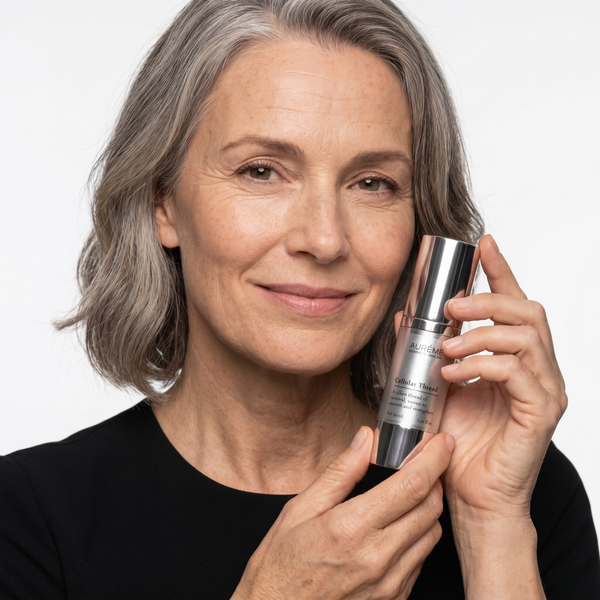
To support these clinical interventions, those navigating persistent discolouration may find that incorporating the C-Veil Citrine Tonic helps to maintain a brightened complexion, as it combines Ascorbic Acid with Niacinamide to gently target uneven tone. For a deeper nightly restorative step, Solenne Oil provides a specialised blend containing Bakuchiol, a plant-based alternative that supports the skin's natural renewal process while being gentle enough for those with sensitive skin.
FAQ
Can Vitamin C help fade dark spots quickly?
L-Ascorbic Acid (Vitamin C) is a potent antioxidant that reduces dark spots by neutralising free radicals and inhibiting tyrosinase activity. While it is highly effective for brightening, it is often slower than prescription agents, typically requiring 8-12 weeks of consistent use to see significant depigmentation [1].
Does sunscreen really matter for fading existing spots?
Sunscreen is the most critical factor in speed; without it, UV rays immediately trigger melanogenesis, undoing the progress of any brightening serums. Using a tinted sunscreen containing Iron Oxides is specifically recommended for dark spots, as it blocks visible light which is known to worsen stubborn pigment like melasma [2].
Is Tranexamic Acid effective for dark spots?
Yes, Tranexamic Acid is an emerging powerhouse that works by inhibiting the plasminogen/plasmin pathway, which reduces the inflammatory mediators that trigger melanin production. It is particularly effective for vascular-related pigmentation and melasma when used at 3-5% concentrations .
FAQ
References:
[1] Bae JY, Kim KH, Shim JS, et al. Efficacy of topical tranexamic acid in combination with fractional CO2 laser for the treatment of melasma: A split-face, randomized controlled trial. J Am Acad Dermatol. 2021;85(3):641-648. doi:10.1016/j.jaad.2020.08.016
[2] Davis EC, Callender VD. Postinflammatory hyperpigmentation: a review of treatment options. J Clin Aesthet Dermatol. 2018;11(7):20-26. doi:10.1016/j.det.2017.06.002
[3] Chen J, Ma H, Zhang C, et al. Clinical efficacy and safety of a novel epidermal growth factor loaded microneedle patch for the treatment of facial hyperpigmentation. Int J Cosmet Sci. 2023;45(1):103-112. doi:10.1111/ics.12809
Medical Disclaimer: This article is for educational purposes only and does not constitute medical advice. Always consult a qualified healthcare professional before starting any new skincare regimen. Content reviewed by a biomedical scientist.