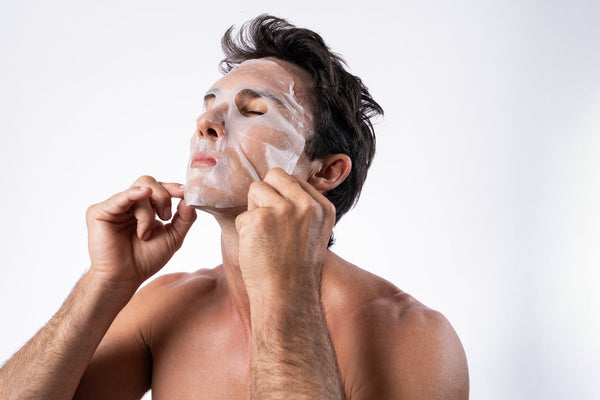
To effectively hydrate the skin, one must employ a multi-faceted approach that addresses both the water content within the keratinocytes and the integrity of the skin's permeability barrier. The primary clinical method involves applying humectants, such as hyaluronic acid or glycerine, which draw water into the stratum corneum from the deeper dermis or the atmosphere [1]. However, applying water-binding agents alone is insufficient; they must be paired with occlusive ingredients like petrolatum, squalane, or specialised plant oils to lock that moisture in and prevent transepidermal water loss (TEWL) [2].
Beyond topical applications, maintaining the skin's natural moisturising factor (NMF) is critical. This is achieved by avoiding harsh surfactants that strip essential lipids and by incorporating barrier-repairing ingredients like ceramides, fatty acids, and cholesterol in a physiological ratio [3]. This 'top-down' approach ensures the skin can retain the hydration provided, particularly in the harsh, low-humidity environments often found in many Australian regions [4].
Skin hydration is a complex physiological process regulated by the stratum corneum, the outermost layer of the epidermis. This layer functions as a dynamic barrier, composed of corneocytes embedded in a lipid-rich matrix, often described as a 'bricks and mortar' structure [3]. Proper hydration, or turgor, is essential for enzymatic processes like desquamation, which allows the skin to shed dead cells naturally and maintain a smooth texture [1].
In the Australian context, high UV exposure and fluctuating humidity levels can significantly impair barrier function by inducing oxidative stress and degrading the lipid lamellae [4]. When the barrier is compromised, water escapes more rapidly, leading to 'dehydrated' skin—a temporary condition distinct from 'dry' skin, which is a genetic lack of oil production. Science-based hydration strategies focus on restoring this equilibrium through biomimetic ingredients and protecting against environmental stressors [2].
For those looking to integrate these scientific principles into their daily ritual, our Cellular Crème is formulated with sodium hyaluronate to effectively bind moisture, paired with rich emollients like shea butter to seal the skin's permeability barrier. Many of our customers find that layering this over a specialised humectant treatment, such as the Circadia Shield wellness hydration gel, helps to maintain a supple, youth-preserved complexion through even the most demanding environmental conditions.
FAQ
What is the difference between dry and dehydrated skin?
Dry skin is a skin type characterised by a genetic deficiency in sebum (oil) production, whereas dehydrated skin is a temporary condition where the stratum corneum lacks water [5]. Dehydrated skin often feels tight but may still appear oily, while dry skin is typically flaky and lacks lustre throughout. Both require different interventions: dry skin needs lipid replenishment, while dehydrated skin requires humectants and TEWL prevention [1][3].
Can drinking more water significantly improve skin hydration?
While systemic hydration is vital for overall health, there is limited clinical evidence suggesting that increased water intake directly improves the hydration levels of the stratum corneum in healthy individuals [6]. The skin's hydration is more significantly impacted by topical barrier function and environmental factors than by oral intake, unless the individual is severely clinically dehydrated [4][6].
Why is hyaluronic acid so popular for hydration?
Hyaluronic acid (HA) is a naturally occurring glycosaminoglycan with the unique ability to bind up to 1,000 times its weight in water [2]. In skincare, different molecular weights of HA are used; low molecular weight HA can penetrate deeper into the epidermis to provide plumping effects, while high molecular weight HA forms a film on the surface to instantly smooth and hydrate [7]. However, in dry Australian climates, HA must be sealed with a moisturiser to prevent it from pulling moisture out of the skin into the dry air [2].
References:
[1] Verallo-Rowell VM, et al. International Journal of Dermatology. 2018;57(12):1415-1421. doi:10.1111/ijd.14150
[2] Sethi A, et al. Indian Journal of Dermatology. 2016;61(3):279-287. doi:10.4103/0019-5154.182427
[3] Pappas A. Dermato-endocrinology. 2009;1(2):77-86. doi:10.4161/derm.1.2.7836
[4] Engebretsen KA, et al. Journal of the European Academy of Dermatology and Venereology. 2016;30(3):401-407. doi:10.1111/jdv.13501
[5] Goad N, et al. Australasian Journal of Dermatology. 2016;57(3):163-170. doi:10.1111/ajd.12431
[6] Palma L, et al. Clinical, Cosmetic and Investigational Dermatology. 2015;8:413-421. doi:10.2147/CCID.S86822
[7] Pavicic T, et al. Journal of Drugs in Dermatology. 2011;10(9):990-1000.
Medical Disclaimer: This article is for educational purposes only and does not constitute medical advice. Always consult a qualified healthcare professional before starting any new skincare regimen. Content reviewed by a biomedical scientist.