From a biological perspective, it is critical to recognise that pore size is largely determined by genetics and cannot be physically shrunk, as pores do not have muscles to open or close. However, you can naturally minimise their appearance by maintaining the structural integrity of the skin and preventing follicular congestion. High-quality clinical evidence suggests that consistent photoprotection is the most effective natural intervention, as UV radiation degrades the dermal collagen and elastin that provide the structural support necessary to keep pore walls tight and narrow [1][2].
Furthermore, managing sebum production through diet and topical botanical extracts can prevent the dilation of pores caused by oil accumulation. Incorporating niacinamide (Vitamin B3) and green tea polyphenols has been shown to regulate sebaceous gland activity, preventing the physical stretching of the pore opening. Regular, gentle exfoliation with salicylic acid—a beta-hydroxy acid that can penetrate oily pores—effectively removes cellular debris, making pores appear significantly smaller by ensuring they remain clear and unobstructed [3][4].
The clinical term for visible pores is 'prominent facial skin pores', which are influenced by three primary factors: high sebum output, decreased elasticity around the pore, and increased hair follicle volume. As we age, the degradation of the extracellular matrix leads to 'sagging' pores, which appear teardrop-shaped rather than circular. This process, known as skin ageing, is accelerated by environmental stressors and glycation, which stiffen collagen fibres [1][5].
Biomedical research indicates that the pilosebaceous unit's appearance is also tied to the skin's hydration levels. When the stratum corneum is dehydrated, the surrounding skin cells lose turgidity, causing the pore opening to look more pronounced. Therefore, maintaining a robust skin barrier with ceramides and humectants is a foundational scientific approach to achieving a smoother skin texture and refined pore appearance [2][6].
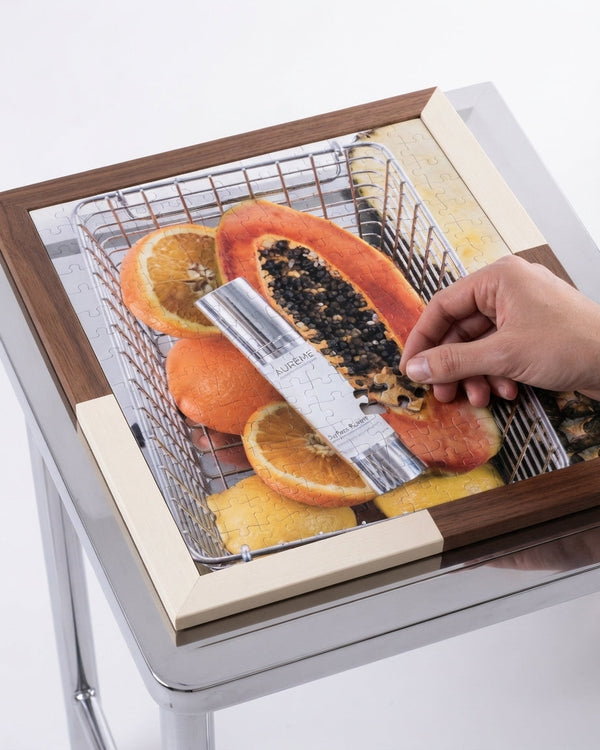
To assist with the natural management of congestion, many find that a focused cleansing routine can help keep the follicle clear and refined. For those looking for a gentle way to address internal debris, our Surface Purify is formulated with Salicylic Acid to target deeper congestion, while Surface Renew utilises a specialised AHA Fruit Complex to encourage cell turnover and minimise the buildup of dull surface texture.
FAQ
Can cold water or ice cubes permanently close pores?
This is a common myth; cold water causes a transient vasoconstriction of the blood vessels, which may temporarily de-puff the skin, but it has no physiological effect on the size of the pore itself. Pores lack contractile tissue, meaning they cannot 'snap shut' in response to temperature changes [2][5].
How does sun exposure make pores look larger?
UV radiation induces the expression of matrix metalloproteinases (MMPs), enzymes that break down collagen and elastin. When the dermal support around the follicle is damaged, the pore loses its structural 'girdle' and begins to gap or stretch, a phenomenon heavily linked to chronic photo-ageing [1][3].
Does diet impact my pore size?
Emerging research suggests that high-glycaemic diets can increase insulin-like growth factor 1 (IGF-1), which stimulates sebum production and keratinocyte proliferation. This can lead to follicular occlusion and the expansion of the pore diameter. Adopting a low-glycaemic diet may help stabilise oil production and improve skin texture over time [4][6].
References:
[1] Flament F, et al. Clinical, Cosmetic and Investigational Dermatology. 2015;8:85-93. doi:10.2147/CCID.S77445.
[2] Lee SJ, et al. Dermatologic Surgery. 2016;42(3):277-285. doi:10.1097/DSS.0000000000000650.
[3] Bowe WP, et al. Journal of Drugs in Dermatology. 2014;13(6):692-700.
[4] Saric S, et al. American Journal of Clinical Dermatology. 2017;18(1):15-28. doi:10.1007/s40257-016-0245-x.
[5] Dong J, et al. Journal of Cosmetic Dermatology. 2016;15(4):525-530. doi:10.1111/jocd.12241.
[6] Kosta A, et al. International Journal of Cosmetic Science. 2021;43(2):125-134. doi:10.1111/ics.12678.
Medical Disclaimer: This article is for educational purposes only and does not constitute medical advice. Always consult a qualified healthcare professional before starting any new skincare regimen. Content reviewed by a biomedical scientist.