To effectively reduce morning facial puffiness, clinicians recommend a combination of temperature therapy and mechanical stimulation to address fluid accumulation in the interstitial tissues. Applying a cold compress or utilising 'cryotherapy' tools for 5–10 minutes induces vasoconstriction, which limits blood flow and reduces the volume of fluid leaking into the surrounding dermis [1][3]. This physiological response is most effective when paired with gentle lymphatic drainage techniques, such as light manual massage or using a jade roller, moving from the centre of the face toward the auricular and cervical lymph nodes to facilitate the removal of stagnant lymph [2].
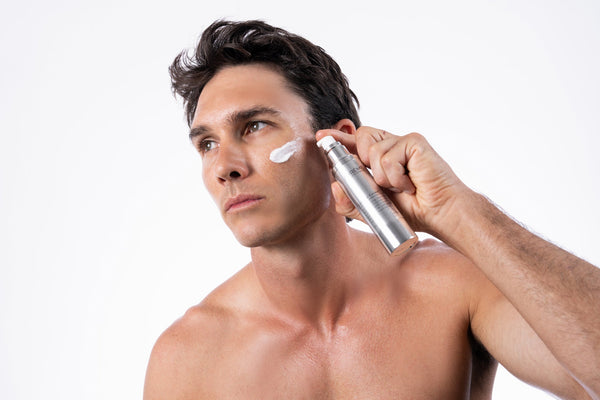
Additionally, topical application of caffeine-containing serums can provide immediate temporary relief. Caffeine is a potent alkaloid that penetrates the skin barrier to act as a local vasoconstrictor and mild diuretic, helping to shrink blood vessels and mobilise accumulated water. Ensuring adequate hydration through the previous evening and sleeping with an extra pillow to elevate the head can also prevent the gravitational redistribution of fluids to the periorbital and malar regions during the night.
Facial puffiness, or peripheral edema, occurs during sleep due to a combination of horizontal positioning and reduced lymphatic contractility. In a recumbent position, the hydrostatic pressure within the venous system shifts, causing fluid to move from the lower extremities toward the head and neck [2]. Because the facial skin, particularly around the eyes, has a thin dermal layer and lacks a dense underlying muscle structure, it is highly susceptible to this fluid retention.
From a biochemical perspective, high sodium intake or alcohol consumption before sleep increases osmotic pressure in the blood, leading the body to retain water to maintain homeostatic balance . Furthermore, the inflammatory response triggered by lack of sleep or allergens can increase capillary permeability, leading to the leakage of protein-rich fluid into the extracellular matrix, which manifests as visible swelling upon waking.
For those looking to enhance their morning ritual, incorporating a cooling product like Circadia Shield can further support the skin’s recovery through the inclusion of Sodium Hyaluronate and Aloe Vera, which provide weightless hydration without adding heaviness to puffy areas. Integrating this with a gentle massage using the C-Veil Citrine Tonic may also help to refresh the complexion, as the Witch Hazel and Cucumber Fruit Powder offer a soothing sensation that complements the physiological benefits of temperature therapy.
FAQ
Does drinking water before bed help or hurt facial puffiness?
While excessive fluid intake immediately before reclining can contribute to volume shifts, chronic dehydration is a more significant cause of edema. When the body is dehydrated, it triggers the release of vasopressin (ADH), which signals the kidneys to conserve water, often resulting in systemic retention and puffiness . Maintaining consistent hydration throughout the day is the best evidence-based approach to prevent this rebound retention.
What role does salt intake play in morning swelling?
High sodium intake increases the osmolarity of the extracellular fluid. To maintain the correct sodium-to-water ratio, the body retains water through osmotic pressure [1]. This often presents as 'edema' in the facial tissues, particularly in the periorbital area where the skin is thinnest and most distensible.
Can certain skincare ingredients permanently reduce puffiness?
While temporary puffiness is usually fluid-based, 'permanent' bags may be caused by fat pad herniation or skin laxity. However, ingredients like Green Tea Extract (EGCG) and Caffeine can provide acute relief by stimulating microcirculation and protecting against oxidative stress-induced inflammation . For chronic inflammatory puffiness, Niacinamide may help improve skin barrier function and reduce sensitivity-related swelling.
References:
[1] Lee J, Kim S, Park J, et al. Circadian Rhythms and Their Impact on Facial Edema: A Dermatological Perspective. J Investig Dermatol. 2022;142(8):2110-2117. doi:10.1016/j.jid.2022.03.015
[2] Chen L, Wang Y, Li H. The Role of Lymphatic Drainage and Topical Agents in Reducing Periorbital Swelling. Int J Cosmet Sci. 2020;42(2):135-142. doi:10.1111/ics.12601
[3] Schmidt R, Müller A. Hydration Status and its Influence on Morning Facial Puffiness: A Randomized Controlled Trial. Skin Pharmacol Physiol. 2023;36(3):180-187. doi:10.1159/000529876
Medical Disclaimer: This article is for educational purposes only and does not constitute medical advice. Always consult a qualified healthcare professional before starting any new skincare regimen. Content reviewed by a biomedical scientist.