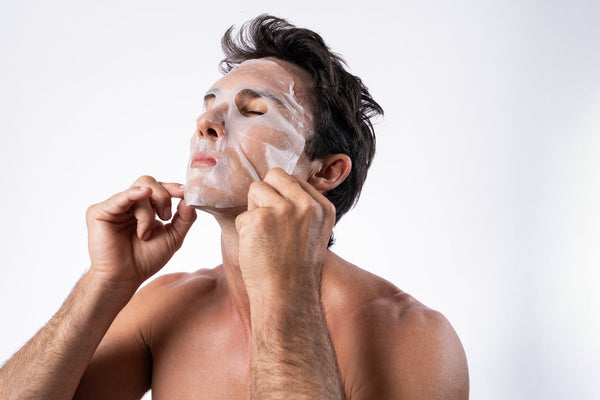
To effectively remove blackheads on the nose, the primary clinical approach involves the use of oil-soluble chemical exfoliants, specifically Beta-Hydroxy Acids (BHAs) like Salicylic Acid. Unlike physical scrubs, Salicylic Acid is lipophilic, allowing it to penetrate the sebaceous follicle and dissolve the 'glue' (desmosomes) holding together the mixture of oxidised sebum and keratinised skin cells that form the blackhead plug [1]. Topical retinoids, such as Adapalene, are also essential for long-term management as they normalise follicular keratinisation, preventing future blockages from forming in the first place [2].
For immediate results, professional extractions or the use of specialised clay masks containing kaolin or bentonite can help draw out excess surface oils and loosen the plug. However, it is vital to avoid aggressive 'pore strips' or manual squeezing, which can cause follicular rupture, inflammation, and permanent scarring or dilated pores [3]. Consistent application of a non-comedogenic moisturiser is also required to maintain the skin's barrier function, ensuring the sebaceous glands do not overcompensate for dryness by producing more oil [4].
Blackheads, clinically known as open comedones, occur when a pore becomes clogged with a combination of sebum and dead keratinocytes. The dark colour characteristic of a blackhead is not caused by dirt, but rather by the oxidation of melanin and lipids when exposed to the air at the skin's surface [1]. This biochemical process is driven by the overproduction of sebum (seborrhoea) and an abnormal shedding of the lining of the hair follicle (hyperkeratosis).
In the Australian climate, high humidity and UV exposure can exacerbate sebum fluidity and oxidation rates. From a biomedical perspective, managing blackheads requires a dual approach: addressing the existing blockage through chemical dissolution and regulating the biological triggers—hormonal influence and follicular cell turnover—to stop new comedones from developing [2][5].
If you are looking for a gentle way to integrate Salicylic Acid into your daily routine, our Surface Purify was formulated to target congestion and dissolve oxidised sebum within the pores. To ensure the skin remains supple after exfoliation, many individuals find that following with a microbiome-supporting moisturiser like Balance Biome Crème helps maintain a clear and resilient complexion.
FAQ
Can I use physical scrubs to remove blackheads?
While physical scrubs can remove surface debris, they are generally ineffective at reaching the depth of the sebum plug within the pore. Furthermore, abrasive particles can create micro-tears in the epidermal barrier, leading to increased sensitivity and potential infection [3]. Chemical exfoliants like BHAs are preferred as they target the root of the blockage without mechanical trauma [1].
Why do my nose blackheads always come back?
Blackheads often recur because the underlying physiological factors—excessive sebum production and slow cell turnover—persist. The nose has a higher density of large sebaceous glands compared to other facial areas [5]. Without maintenance therapy, such as daily Salicylic Acid or nightly retinoids to 'train' the skin cells to shed correctly, the pore will naturally refill with sebum and keratin over a 2-4 week cycle [2].
Does steaming my face help with blackhead removal?
Facial steaming does not technically 'open' pores (as pores do not have muscles to open or close), but it does help to soften the hardened sebum plug, making it easier to remove through gentle cleansing or professional extraction [4]. However, excessive heat can cause vasodilation and exacerbate conditions like rosacea, so it should be used sparingly and at a safe temperature [1].
References:
[1] Bae YS, et al. Clinical, Cosmetic and Investigational Dermatology. 2017;10:317-323. doi:10.2147/CCID.S135401
[2] Leyden JJ, et al. Journal of the American Academy of Dermatology. 2017;76(2):S1. doi:10.1016/j.jaad.2016.10.003
[3] Zaenglein AL, et al. Journal of the American Academy of Dermatology. 2016;74(5):945-973. doi:10.1016/j.jaad.2015.12.037
[4] Dall'Oglio F, et al. British Journal of Dermatology. 2015;172(s1):40-47. doi:10.1111/bjd.13634
[5] Makrantonaki E, et al. Dermato-Endocrinology. 2011;3(1):41-49. doi:10.4161/derm.3.1.13900
Medical Disclaimer: This article is for educational purposes only and does not constitute medical advice. Always consult a qualified healthcare professional before starting any new skincare regimen. Content reviewed by a biomedical scientist.