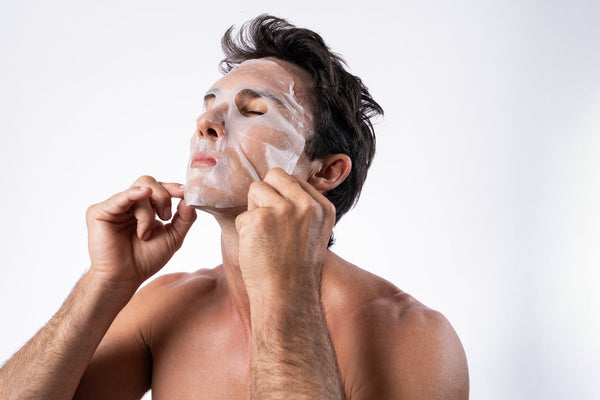
Effectively removing pigmentation requires a multi-modal approach that targets the biological stages of melanogenesis. To physically remove existing pigment, chemical exfoliants such as Alpha Hydroxy Acids (AHAs), specifically glycolic and lactic acid, accelerate cellular turnover, shedding melanin-rich keratinocytes from the stratum corneum [1]. Complementing this, topical retinoids (Vitamin A) speed up cell proliferation and inhibit the transfer of melanosomes to skin cells, which helps even out skin tone and fade stubborn dark spots over several weeks of consistent application [2].
Beyond exfoliation, it is critical to inhibit the enzyme tyrosinase, which is the rate-limiting catalyst for melanin production. Medical-grade tyrosinase inhibitors, such as hydroquinone (often prescribed by Australian dermatologists), or botanical alternatives like kojic acid and liquorice root extract, prevent the formation of new pigment [3]. Additionally, high-potency Vitamin C (L-ascorbic acid) acts as a powerful antioxidant that reduces ortho-quinones to halt the pigment-forming pathway and brightens existing discolouration [4]. For stubborn epidermal or dermal pigmentation, in-clinic treatments like Intense Pulsed Light (IPL) or fractional lasers may be required to fragment the melanin particles so they can be naturally cleared by the body’s lymphatic system [5].
Hyperpigmentation is a complex physiological response where melanocytes—specialised cells located in the basal layer of the epidermis—produce excess melanin as a protective mechanism against UV radiation or inflammatory triggers [1]. This process, known as melanogenesis, is influenced by both genetic factors and external stimuli, such as the harsh Australian sun, which induces DNA damage and triggers the production of reactive oxygen species (ROS) [3].
In the Australian climate, 'photo-ageing' is a primary driver of lentigines (sun spots) and melasma. Clinical management involves categorising the pigmentation as epidermal (surface-level), dermal (deeper), or mixed. Effective treatment must address the 'pigmentation cycle' at four points: prevention of UV-induced triggers, inhibition of enzyme activity, prevention of pigment transfer into skin cells, and the acceleration of epidermal desquamation [2][5].
For those seeking to address these concerns during the initial stages of their routine, our Surface Renew utilises an AHA fruit complex and natural enzymes to gently encourage the shedding of dull, pigmented cells. To further support a luminous complexion, C-Veil Citrine Tonic combines ascorbic acid with niacinamide, ingredients formulated to target the appearance of dark spots and help promote a more even skin tone.
FAQ
Can Niacinamide help to remove pigmentation?
Yes, Niacinamide (Vitamin B3) is a proven ingredient for managing discolouration. Unlike AHAs that exfoliate, Niacinamide prevents the transfer of melanosomes from melanocytes to the surrounding keratinocytes [4]. Studies show that a 5% concentration can significantly reduce the appearance of dark spots when used for at least eight weeks, while also boosting the skin's barrier function [2].
Why is sunscreen essential when trying to remove pigmentation?
UV radiation is the most potent catalyst for melanin production. Without a broad-spectrum SPF 50+, any efforts to remove pigment through actives like AHAs or Retinoids will be negated as the sun will continuously stimulate 'melanocyte-stimulating hormones' [1]. Furthermore, many depigmenting agents increase photosensitivity, making the skin more vulnerable to further damage if not protected [3].
How long does it take to see results when treating dark spots?
Skin cells typically take 28 to 45 days to renew. Therefore, evidence-based topical treatments generally require 8 to 12 weeks of consistent use to produce visible results [4]. Stubborn pigmentation like melasma or deep-seated sun damage may require longer timelines and professional intervention to address dermal pigment that topicals cannot reach [5].
References:
[1] Callender VD, et al. Journal of Clinical and Aesthetic Dermatology. 2022;15(7):21-25. doi:10.36849/JCAD.2022.6514
[2] Zasada M, Budzisz E. Postepy Dermatologii i Alergologii. 2019;36(4):392-397. doi:10.5114/ada.2019.87443
[3] Sarkar R, et al. Journal of Cutaneous and Aesthetic Surgery. 2013;6(1):4–11. doi:10.4103/0974-2077.110086
[4] Telang PS. Indian Dermatology Online Journal. 2013;4(2):143-146. doi:10.4103/2229-5178.110593
[5] McDaniel DH, et al. Journal of Cosmetic Dermatology. 2019;18(3):723-730. doi:10.1111/jocd.12937
Medical Disclaimer: This article is for educational purposes only and does not constitute medical advice. Always consult a qualified healthcare professional before starting any new skincare regimen. Content reviewed by a biomedical scientist.