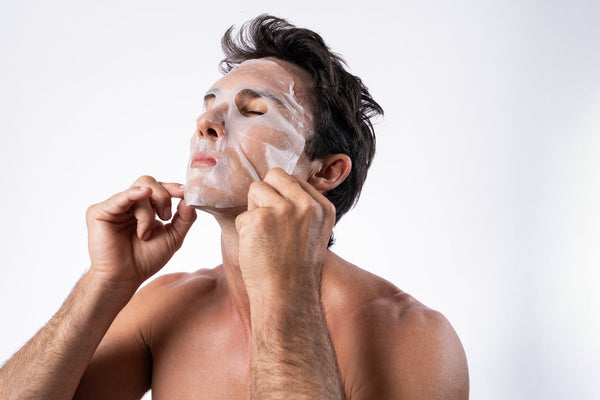
Treating combination skin requires a dual-phase approach that addresses localised hyperactive sebum production in the T-zone (forehead, nose, and chin) while simultaneously repairing the compromised skin barrier on the cheeks. To manage the oily regions, clinical evidence suggests using lipophilic hydroxy acids like salicylic acid, which can penetrate the sebum-filled follicle to induce keratolysis and reduce follicular occlusion [1]. This ensures the T-zone remains clear of comedones without stripping the skin of essential lipids.
For the dry or 'normal' areas, the focus must shift to biomimetic hydration. Utilising humectants such as hyaluronic acid and glycerin allows for moisture retention without adding excessive occlusive weight that might trigger breakouts in oilier zones [2]. Australian clinicians often recommend 'zone-mapping' your routine: applying a lightweight, niacinamide-based moisturiser globally to regulate sebum and enhance barrier function, while layering a richer emollient containing ceramides or cholesterol specifically onto the drier malar regions [3].
Combination skin is scientifically characterised by regional variations in sebaceous gland density and transepidermal water loss (TEWL). The T-zone typically exhibits a higher concentration of lobular sebaceous units, which are highly sensitive to androgenic stimulation, leading to increased sebum output [1]. Conversely, the peripheral areas of the face often show lower lipid levels and a thinner stratum corneum, making them more susceptible to environmental stressors and dehydration [4].
From a formulation science perspective, the challenge lies in creating a stable skin environment where the pH remains slightly acidic (approx. pH 5.5) to support the skin's natural microbiome. Over-cleansing with high-pH surfactants can exacerbate the 'rebound effect' in oily areas while inducing micro-fissures in dry areas [5]. Therefore, the use of pH-balanced, non-foaming cleansers is critical to maintaining homeostatic balance across these distinct facial topographies.
For those navigating the complexities of a congested T-zone alongside more delicate areas, our Surface Purify cleanser was formulated with salicylic acid to gently clarify pores without compromising the skin's natural defence. To support the skin's ecosystem throughout this process, many find that incorporating Balance Biome Crème helps to maintain a resilient barrier and a more harmonious, balanced complexion.
FAQ
Which active ingredients are best for balancing combination skin?
Niacinamide (Vitamin B3) is often considered the gold standard for combination skin due to its multifunctional profile; it has been shown to reduce sebum excretion rates while simultaneously increasing the synthesis of ceramides and free fatty acids to bolster the moisture barrier [3][6]. Additionally, azelaic acid is highly effective as it offers mild exfoliation and anti-inflammatory benefits that suit both acne-prone and sensitive zones [2].
Can I use the same moisturiser for my whole face?
While it is possible to use a single 'middle-ground' moisturiser, choosing a lightweight, non-comedogenic gel-cream is generally preferred to avoid congesting the T-zone [1]. If the cheeks remain tight or flaky, scientists recommend augmenting that specific area with a facial oil high in linoleic acid, which helps to repair the barrier without being intrinsically comedogenic [4].
How often should I exfoliate combination skin?
Evidence suggests that chemical exfoliation 2-3 times per week is optimal for combination skin. Using a Beta Hydroxy Acid (BHA) specifically on the T-zone can manage oil, while a gentle Alpha Hydroxy Acid (AHA) like lactic acid can be used more broadly to encourage cellular turnover and hydration on the drier areas [5][7].
References:
[1] Zasada M, et al. Acne Vulgaris: Pathogenesis and Treatment options. Journal of Cosmetic Dermatology. 2019;18(5):1220-1228. doi:10.1111/jocd.13123
[2] Draelos ZD. The multi-functional value of niacinamide and azelaic acid in skin care. Journal of Clinical and Aesthetic Dermatology. 2021;14(4):14-17.
[3] Gehring W. Nicotinic acid/niacinamide and the skin. Journal of Cosmetic Dermatology. 2004;3(2):88-93. doi:10.1111/j.1473-2130.2004.00115.x
[4] Rawlings AV, et al. Skin dry out: the molecular biology of the stratum corneum. Journal of Investigative Dermatology. 2005;124(6):1099-1110. doi:10.1111/j.0022-202X.2005.23726.x
[5] Ananthapadmanabhan KP, et al. Cleansing without compromise: the impact of cleansers on the skin barrier and the role of lipids and humectants. Dermatologic Therapy. 2004;17(s1):16-25.
[6] Bisset DL, et al. Topical niacinamide reduces yellowing, wrinkling, red blotchiness, and hyperpigmented spots in ageing facial skin. International Journal of Cosmetic Science. 2004;26(5):231-238.
[7] Kornhauser A, et al. Applications of hydroxy acids: classification, mechanisms, and photoactivity. Clinical, Cosmetic and Investigational Dermatology. 2010;3:135-142. doi:10.2147/CCID.S10464
Medical Disclaimer: This article is for educational purposes only and does not constitute medical advice. Always consult a qualified healthcare professional before starting any new skincare regimen. Content reviewed by a biomedical scientist.