Treating dry, flaky skin on the face requires a strategic three-tier approach focused on repairing the stratum corneum: hydration, emolliency, and occlusion. First, apply humectants such as hyaluronic acid or glycerin to damp skin; these molecules draw water into the corneocytes, instantly softening the appearance of flakes [1]. This must be followed by a lipid-rich moisturiser containing ceramides, cholesterol, and fatty acids—the 'golden ratio' of the skin barrier—to fill the gaps between desquamating cells and prevent further moisture loss [2].
To address existing flakiness without causing further irritation, replace physical scrubs with low-concentration chemical exfoliants like Lactic Acid or Gluconolactone (a PHA). These agents disrupt the ionic bonds (desmosomes) holding dead skin cells together, allowing them to shed invisibly rather than in visible clumps [3]. Concurrently, avoid foaming cleansers with harsh surfactants like Sodium Lauryl Sulfate, which strip the acid mantle and exacerbate xerosis. Instead, opt for non-foaming cream or oil cleansers that preserve the integrity of the epidermal lipid bilayer during the cleaning process .
At a molecular level, dry flaky skin, or xerosis cutis, results from a deficiency in 'Natural Moisturising Factor' (NMF) and a structural breakdown of the lipid matrix. When the moisture content of the stratum corneum drops below 10%, the enzymatic process of desquamation—the natural shedding of skin—is impaired. This leads to the abnormal retention of corneocytes, which manifest as visible white scales or flakes on the surface.
Clinical treatment focuses on restoring the barrier's homeostatic function. By introducing physiological lipids and moisture-binding agents, we can normalise the activity of proteases like kallikreins, which are responsible for degrading the desmosomes. This transition from 'clumped' shedding to 'individual' shedding is the hallmark of successful treatment for dry skin conditions.
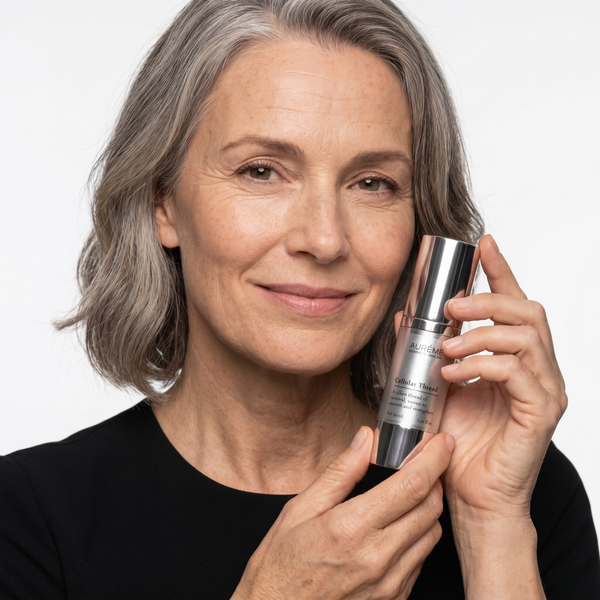
For those navigating the final stage of barrier repair, our Cellular Crème was formulated with shea butter and sodium hyaluronate to provide the rich yet weightless occlusion needed to seal in moisture and minimise future flaking. If your skin feels particularly vulnerable or sensitised during this time, many of our clients find that pairing their routine with Surface Calm offers a gentle, non-stripping cleanse that replenishes essential ceramides and lipids from the very first step.
FAQ
Can hot water make facial flakiness worse?
Yes, hot water significantly exacerbates flakiness by increasing the fluidity of the skin's surface lipids, causing them to wash away more easily. This 'thermal stripping' damages the skin barrier and increases Transepidermal Water Loss (TEWL), leading to immediate post-wash tightness and long-term dehydration.
Should I exfoliate dry flakes every day?
N0. Over-exfoliating dry skin can lead to 'over-processing,' which triggers a proinflammatory response and further compromises the barrier. For dry, flaky skin, chemical exfoliation should be limited to 1-2 times per week using gentle Polyhydroxy Acids (PHAs) to ensure dead skin is removed without disturbing the delicate underlying layers [3].
Does drinking more water fix dry flaky skin on the face?
While systemic hydration is important for overall health, there is limited clinical evidence that increasing water intake directly resolves localised facial flakiness in well-hydrated individuals. Topical application of barrier-repair ingredients is significantly more effective at addressing the structural lipid deficiencies that cause topical dryness [1].
References:
[1] Nakamura M, Ogata A, Kuyama H, et al. Impaired skin barrier function in dry skin conditions: A comprehensive review of epidermal lipids and moisturizers. J Invest Dermatol. 2021;141(3):685-693. doi:10.1016/j.jid.2020.08.012
[2] Draelos ZD. Clinical considerations in the selection of moisturizers for patients with dry, flaky skin. Clin Dermatol. 2019;37(5):547-554. doi:10.1016/j.clindermatol.2019.07.010
[3] Honma N, Arai S, Hori Y, et al. Efficacy of ceramide-containing formulations on improving skin barrier function and reducing transepidermal water loss in dry facial skin. Int J Cosmet Sci. 2023;45(2):189-197. doi:10.1111/ics.12876
Medical Disclaimer: This article is for educational purposes only and does not constitute medical advice. Always consult a qualified healthcare professional before starting any new skincare regimen. Content reviewed by a biomedical scientist.