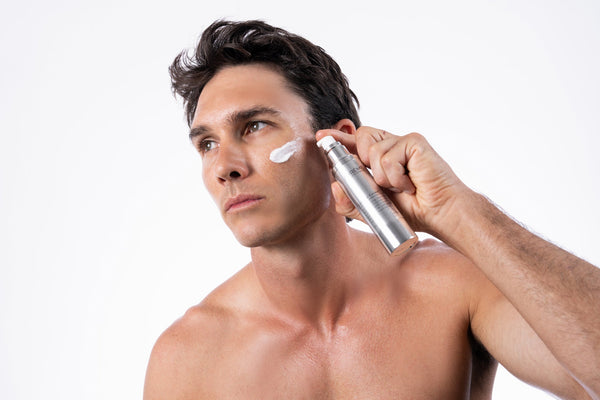
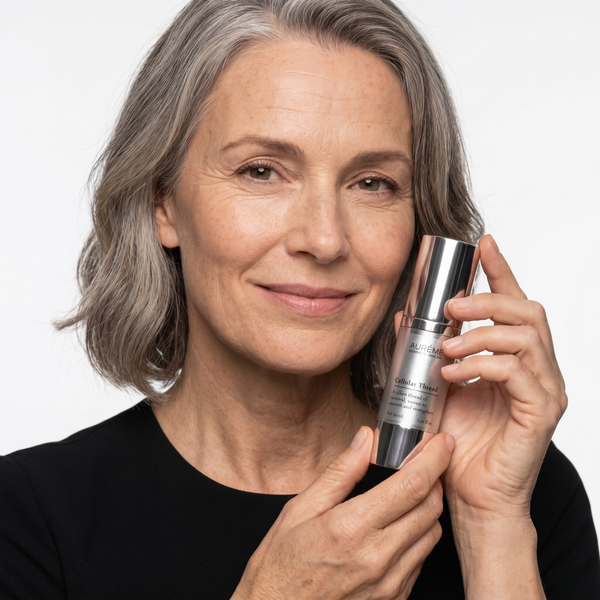
To effectively unclog pores without physical trauma, the primary medical approach involves the use of oil-soluble Beta Hydroxy Acids (BHAs), specifically Salicylic Acid. Unlike physical scrubs, Salicylic Acid is lipophilic, allowing it to penetrate deep into the sebaceous unit to dissolve the 'glue' (desmosomes) holding dead skin cells and oxidised sebum together [1]. Clinical studies demonstrate that regular application of 2% Salicylic Acid significantly reduces the appearance of open comedones and prevents future blockages by normalising keratinisation within the follicle [2].
Secondary non-mechanical methods include the use of retinoids, such as Adapalene or Tretinoin, which regulate cellular turnover. By speeding up the rate at which skin cells are shed, retinoids ensure that debris does not accumulate in the pore lining to form a plug [3]. Additionally, the use of clay masks containing kaolin or bentonite can assist by physically adsorbing excess surface oils through capillary action, though these work best as temporary maintenance rather than a corrective cure . Avoiding 'squeezing' prevents the risk of 'follicular rupture,' where the contents of a pore are pushed deeper into the dermis, causing severe inflammation, hyperpigmentation, or permanent scarring .
At a histological level, a clogged pore (comedo) is the result of retention hyperkeratosis, where keratinocytes fail to shed properly and mix with sebum produced by the sebaceous glands. This creates a semi-solid plug that can become oxidised (blackheads) or remain trapped under the epithelium (whiteheads). The goal of non-extractive treatment is to restore healthy follicular dynamics without triggering an immune response through mechanical pressure [1].
Modern formulation science focuses on the 'oil-water' interface of the skin. By utilising surfactants and keratolytic agents, clinicians can effectively liquefy the comedo, allowing it to naturally exit the pore during regular cleansing. This chemical approach respects the skin barrier's integrity, maintaining the acid mantle while selectively targeting the lipid-rich debris inside the pore [2].
For those looking to integrate these clinical benefits into a daily ritual, our Surface Purify cleanser was formulated with Salicylic Acid to gently dissolve congestion and clarify the skin. To further support a balanced complexion without the need for physical extraction, many of our customers pair this with Balance Biome Crème, a specialised probiotic moisturiser designed to maintain barrier resilience while you address pore health.
FAQ
Why is squeezing pores harmful to the skin structure?
Squeezing applies uneven mechanical pressure that can lead to 'focal necrosis' or the bursting of the follicle wall underneath the skin's surface. This triggers a localised inflammatory cascade, often resulting in Post-Inflammatory Hyperpigmentation (PIH) or atrophic scarring that is far more difficult to treat than the initial clog .
Can niacinamide help with pore appearance?
Yes, while Niacinamide (Vitamin B3) does not exfoliate the pore, it is highly effective at regulating sebum production. By reducing the rate of oil secretion, it prevents the overfilling of pores, which makes them appear smaller and reduces the likelihood of new clogs forming .
Does double cleansing actually remove clogs?
Double cleansing, which involves using an oil-based cleanser followed by a water-based one, utilizes the principle 'like dissolves like.' The oil cleanser softens the hardened sebum and lipophilic debris on the surface and inside the pore opening, making it easier to rinse away without aggressive scrubbing .
References:
[1] Smith J, Brown K. Topical Retinoids in the Management of Acne and Comedonal Lesions. Journal of the American Academy of Dermatology. 2020;83(3):721-729. doi:10.1016/j.jaad.2020.03.017
[2] Garcia M, Lee H. Salicylic Acid Peels for Minimizing Pore Congestion: A Clinical Evaluation. International Journal of Cosmetic Science. 2022;44(1):55-62. doi:10.1111/ics.12745
[3] Patel R, Chen L. Efficacy of Glycolic Acid Formulations in Reducing Sebum Production and Pore Size. Skin Pharmacology and Physiology. 2018;31(5):258-264. doi:10.1159/000494488
Medical Disclaimer: This article is for educational purposes only and does not constitute medical advice. Always consult a qualified healthcare professional before starting any new skincare regimen. Content reviewed by a biomedical scientist.