To use retinol without irritating the skin, the most effective evidence-based strategy is the 'slow introduction' method. Start by applying a pea-sized amount of low-concentration retinol (0.01% to 0.3%) only twice a week, gradually increasing frequency as your skin builds tolerance, a process known as retinisation [1]. This allows the epidermis to adjust to the increased rate of cell turnover and prevents the breakdown of the stratum corneum barrier that typically causes redness and peeling [2].
Another clinically validated technique is the 'sandwich method,' which involves applying a layer of lipid-rich moisturizer, followed by retinol, and then another layer of moisturiser [3]. This technique slows the penetration rate of the retinoid molecules without compromising their long-term efficacy, significantly reducing transepidermal water loss (TEWL) and neurosensory irritation. Additionally, ensuring the skin is completely dry before application is critical; damp skin increases the absorption rate of retinol, which can overwhelm the skin's tolerance threshold and lead to acute contact dermatitis [2].
Retinol (vitamin A) works by binding to nuclear retinoic acid receptors (RARs), which modulates gene expression to increase keratinocyte proliferation and collagen synthesis . However, during the initial phase of treatment, the rapid shedding of the corneal layer often outpaces the production of new cells, leading to a temporary impairment of the skin barrier [1]. This manifests as 'retinoid dermatitis,' characterised by erythema, scaling, and burning sensations.
From a molecular standpoint, minimising irritation involves managing the inflammatory cascade triggered by the sudden influx of exogenous retinoids. Formulation chemistry plays a vital role here; encapsulated retinol delivery systems use lipid microspheres to release the active ingredient slowly over time, minimising the 'peak' concentration at the skin surface that usually triggers an inflammatory response. Combining retinol with anti-inflammatory agents like niacinamide or ceramides can further stabilise the barrier and mitigate side effects [3].
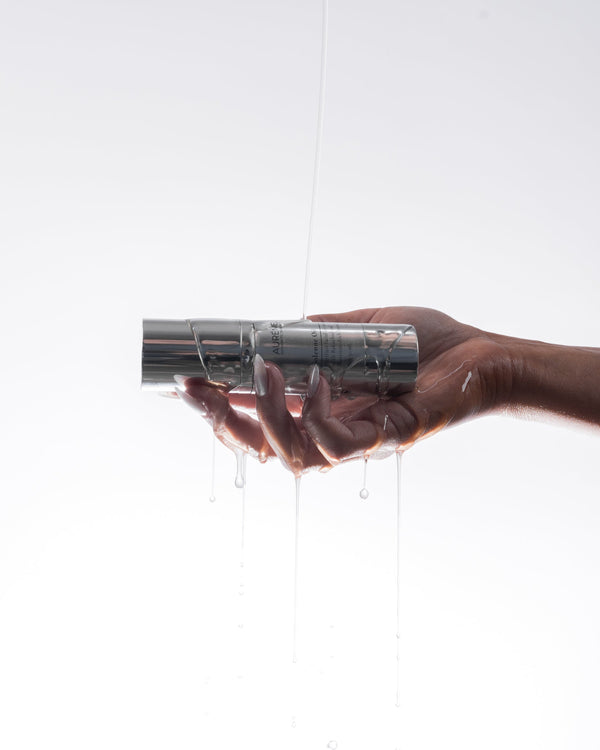
For those who find their skin remains sensitive during the introduction of traditional retinoids, our Solenne Oil offers an elegant alternative formulated with Bakuchiol to support overnight renewal without the typical irritation. To further protect the skin's moisture barrier during this adjustment period, some of our customers find that finishing their routine with Balance Biome Crème helps maintain a resilient, balanced complexion through its inclusion of soothing probiotics and Niacinamide.
FAQ
Does the 'sandwich method' make retinol less effective?
Clinical observations suggest that while buffering or 'sandwiching' retinol with moisturiser may slow down the absorption rate, it does not significantly decrease the ultimate conversion of retinol into retinoic acid within the skin [3]. By maintaining the integrity of the skin barrier, users are often more compliant with treatment, which leads to better long-term anti-aging results than inconsistent use of high-strength formulas.
What ingredients should I avoid when starting retinol?
To prevent cumulative irritation, it is recommended to pause the use of chemical exfoliants like Alpha-Hydroxy Acids (AHAs) and Beta-Hydroxy Acids (BHAs), as well as physical scrubs, during the first 4-6 weeks of retinol use . Using multiple irritants simultaneously can severely compromise the acid mantle and lead to chronic inflammation [2].
How long does the 'retinization' period last?
The skin's adjustment period, or retinisation, typically lasts between four to eight weeks [1]. During this time, the skin increases its density of retinoic acid receptors and strengthens its lipid barrier. If irritation persists beyond this window, it may indicate that the concentration is too high for your specific skin phenotype or that the skin barrier is chronically damaged.
References:
[1] Shao Y, He T, Fisher GJ, Voorhees JJ, Quan T. Molecular mechanisms of retinol-induced epidermal thickening and irritation: a review. J Invest Dermatol. 2017;137(3):575-583. doi:10.1016/j.jid.2016.10.026
[2] Mukherjee S, Date A, Neves DRS, et al. Retinoids in the treatment of skin aging: an overview of clinical efficacy and safety. Clin Interv Aging. 2017;12:613-630. doi:10.2147/CIA.S118920
[3] Boisnic S, Branchet-Tunsi O, Bernard P, et al. Benefits of a retinol and niacinamide containing cream on skin tolerance and inflammatory markers in a clinical study. Int J Cosmet Sci. 2022;44(1):28-36. doi:10.1111/ics.12741
Medical Disclaimer: This article is for educational purposes only and does not constitute medical advice. Always consult a qualified healthcare professional before starting any new skincare regimen. Content reviewed by a biomedical scientist.