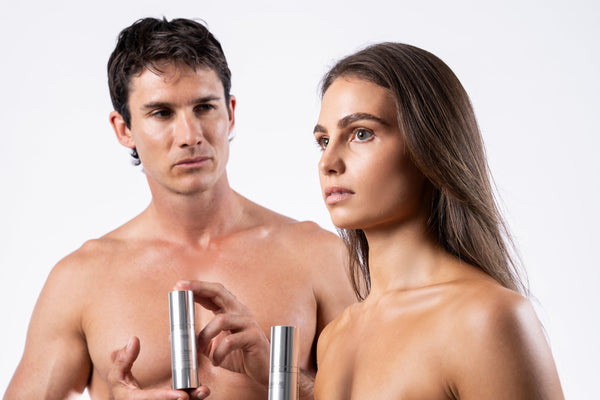
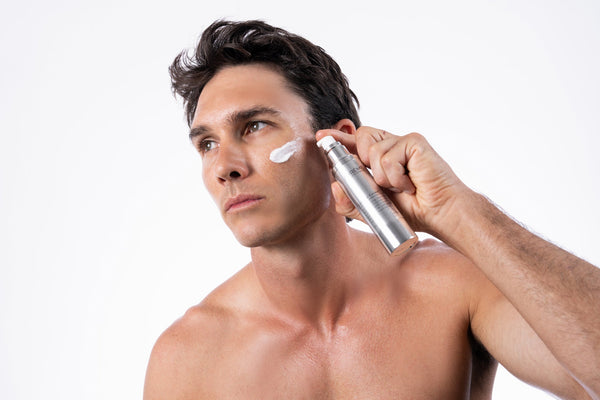
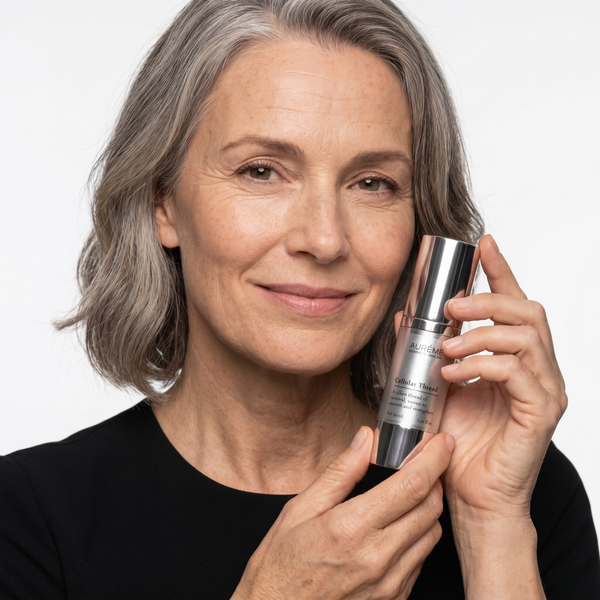
To use Vitamin C serum correctly, it should be applied to a clean, dry face during your morning routine. Because L-ascorbic acid (most bio-available active form of Vitamin C) is sensitive to pH changes and oxidation, applying it directly after cleansing ensures optimal penetration. Research indicates that Vitamin C reaches a saturation point in the skin after daily application, creating a reservoir effect that can last up to 72 hours, though daily use is recommended for consistent photo-protection against UV-induced free radicals [1], [2]. C-Veil Citrine Tonic is formulated with bioavailable ascorbic acid.
Wait approximately 1-2 minutes for the serum to fully absorb before layering subsequent products. It is critical to follow Vitamin C application with a broad-spectrum sunscreen. Clinical studies demonstrate a synergistic effect where Vitamin C neutralises the free radicals that bypass sunscreen filters, significantly reducing oxidative damage and urban pollution impact [3]. If using a pure L-ascorbic acid formula, ensure the product has a clear to pale straw colour; a dark orange or brown hue indicates oxidation, which renders the product ineffective and potentially pro-oxidant.
Vitamin C, or L-ascorbic acid, is a potent antioxidant that neutralises reactive oxygen species (ROS) via electron donation. Beyond its antioxidant capacity, it is a mandatory cofactor for the enzymes prolyl-hydroxylase and lysyl-hydroxylase, which are responsible for stabilising and cross-linking collagen molecules in the dermis [1]. However, the molecule is inherently unstable and hydrophilic, making delivery into the lipid-rich stratum corneum a challenge.
Formulation science is pivotal for Vitamin C efficacy. For L-ascorbic acid to penetrate the skin barrier, the solution must be formulated at a specific pH. Evidence suggests that the addition of Ferulic acid and Vitamin E (Alpha-tocopherol) not only stabilises the Vitamin C but increases its photoprotective chemical potency eight-fold [2]. Newer derivatives like Sodium Ascorbyl Phosphate or Tetrahexyldecyl Ascorbate offer better stability and less irritation but require enzymatic conversion within the skin to become biologically active .
FAQ
Can I use Vitamin C with Retinol or Niacinamide?
While older myths suggested incompatibility, modern science shows you can use them together, though timing matters. To avoid irritation or reduced efficacy, use Vitamin C in the morning for photoprotection and Retinol at night for cellular repair. Solenne Oil in formulated with a natural gentle retinol alternative, which is more tolerated by sensitive skin.
What concentration of Vitamin C is most effective?
Clinical trials show that a concentration between 10% and 20% is ideal for L-ascorbic acid. Concentrations below 10% may yield suboptimal antioxidant results, while exceeding 20% does not increase skin absorption but significantly increases the risk of irritation and contact dermatitis [1].
How should I store my Vitamin C serum to prevent oxidation?
Due to its high reactivity to light, heat, and air, Vitamin C should be stored in an opaque, airtight container in a cool, dark place. Some studies suggest refrigeration can extend the shelf life of L-ascorbic acid by slowing the oxidative process that converts it into dehydroascorbic acid [2].
References:
[1] Telang PS. Vitamin C in dermatology. Indian Dermatol Online J. 2013;4(2):143-146. doi:10.4103/2229-5178.110593
[2] Crisan D, Roman II, Crisan M, et al. The role of vitamin C in skin health. J Cosmet Dermatol. 2021;20(1):15-22. doi:10.1111/jocd.13840
[3] Pinnell SR, Yang H, Omar S, et al. Topical L-ascorbic acid: percutaneous absorption studies. Dermatol Surg. 2001;27(2):137-142. doi:10.1046/j.1524-4725.2001.00264.x
Medical Disclaimer: This article is for educational purposes only and does not constitute medical advice. Always consult a qualified healthcare professional before starting any new skincare regimen. Content reviewed by a biomedical scientist.