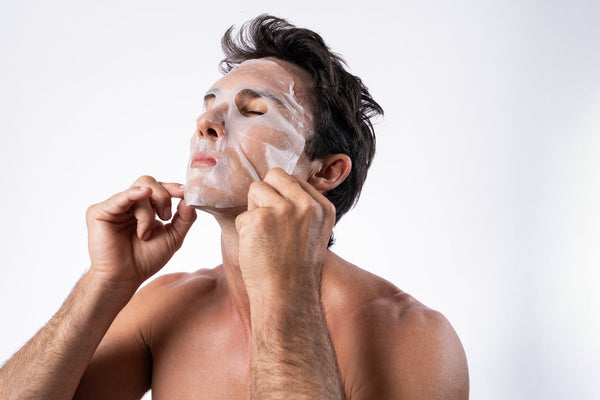
The fundamental principle for layering skincare products is based on molecular weight and viscosity, moving from the thinnest, water-based formulations to the thickest, oil-based occlusives. This sequence ensures that lighter aqueous solutions can penetrate the stratum corneum before heavier lipids and polymers create a physical barrier that limits subsequent absorption [1]. A standard evidence-based routine begins with a pH-balanced cleanser to remove debris, followed by low-viscosity treatments like essences or serums containing active molecules such as Vitamin C or L-ascorbic acid, which require direct contact with the skin's surface for optimal efficacy [2].
Following liquid treatments, more viscous emulsions such as lotions and moisturisers should be applied to seal in hydration and reinforce the lipid bilayer. The final daytime step must always be a broad-spectrum sunscreen, as modern UV filters are designed to form a cohesive film on top of the skin to reflect or absorb radiation; applying products over the top of sunscreen can disrupt this film and compromise photoprotection [3]. In an Australian context, where UV indices are consistently high, ensuring this functional film remains intact is critical for preventing photoageing and DNA damage [4].
From a pharmacological perspective, the skin acts as a semi-permeable membrane where the rate of penetration is governed by Fick's laws of diffusion. The stratum corneum, often described as a 'brick and mortar' structure, presents a formidable barrier to exogenous substances. Using products in the correct order helps manage the partition coefficient of active ingredients, ensuring they move from the vehicle into the viable epidermis rather than becoming trapped in an occlusive layer [1][5].
Furthermore, the pH of formulations plays a vital role in routine structure. The skin’s natural ‘acid mantle’ sits at a pH of approximately 4.7 to 5.75. Applying highly acidic actives (like certain Alpha Hydroxy Acids) immediately after an alkaline cleanser can lead to irritation or neutralisation of the active. Therefore, allowing the skin to return to its physiological pH or using a pH-adjusting toner can optimise the chemical environment for enzymatic processes and barrier repair [2][6].
For those seeking to implement this scientific sequence, our Cellular Thread peptide treatment serum offers a high-penetration, low-viscosity formula designed to be applied directly after cleansing to support skin longevity. To effectively seal these active ingredients, following with a lipid-rich occlusive like Cellular Crème ensures the moisture barrier remains resilient while promoting overnight repair and suppleness.
FAQ
Does the 60-second rule between layers actually work?
While it is not necessary to wait exactly 60 seconds for every product, allowing the 'volatile' components of a formula (like water or alcohol) to evaporate ensures that the next layer does not dilute the concentration of the previous active. For certain pH-dependent actives like L-ascorbic acid, a short wait time may prevent premature neutralisation, though most modern formulated emulsions are designed to be compatible when layered sequentially [2][5].
Should I apply facial oil before or after my moisturiser?
Facial oils are generally occlusive or emollient and should be applied after water-based moisturisers. Because oils have a larger molecular structure and create a hydrophobic seal, applying a moisturiser over an oil would result in the humectants (like glycerin or hyaluronic acid) being unable to pass through the lipid layer to reach the skin [1][6].
Can I mix my actives together to save time?
Mixing actives, often called 'skincare cocktailing', is generally discouraged unless the products are specifically formulated to be combined. Combining separate products can lead to chemical instabilities, pH shifts, or 'pilling,' where the polymers in the formulations clash and fall off the skin. This ultimately results in an uneven application and reduced efficacy of the active ingredients [4][5].
References:
[1] Roberts MS, et al. Human Skin Morphology and Dermal Absorption. Journal of Investigative Dermatology. 2017;137(11):1643-1651. doi:10.1016/j.jid.2017.06.012
[2] Schmid-Wendtner MH, Korting HC. The pH of the Skin Surface and Its Impact on Barrier Function. Skin Pharmacology and Physiology. 2006;19(6):296-302. doi:10.1159/000094670
[3] Lott DL, et al. Uniformity of Sunscreen Product Application: A Review. Dermatologic Surgery. 2021;47(7):915-920. doi:10.1097/DSS.0000000000002988
[4] Ghiasvand R, et al. Sunscreen Use and Subsequent Melanoma Risk: A Population-Based Cohort Study. Journal of Clinical Oncology. 2016;34(33):3976-3983. doi:10.1200/JCO.2016.67.5934
[5] Walters KA, Roberts MS. The Structure and Function of Skin and its Role in Percutaneous Absorption. Dermatological and Cosmeceutical Development. 2008;14(2):22-45.
[6] Del Rosso JQ, Levin J. The Clinical Relevance of Maintaining the Structural and Functional Integrity of the Skin Barrier. The Journal of Clinical and Aesthetic Dermatology. 2011;4(5):22-41.
Medical Disclaimer: This article is for educational purposes only and does not constitute medical advice. Always consult a qualified healthcare professional before starting any new skincare regimen. Content reviewed by a biomedical scientist.