Periorbital hyperpigmentation, commonly known as dark circles, is a complex multifactorial condition primarily driven by thin eyelid skin, vascular congestion, and melanin deposition. The skin in the periorbital region is the thinnest on the body, often measuring less than 0.5mm, which makes underlying blood vessels and the orbicularis oculi muscle more visible, creating a blue or violet tint [1]. This vascular visibility is frequently exacerbated by fluid retention, allergic rhinitis (allergic shiners), and lack of restorative sleep, which lead to venous stasis and localised edema [2].
Beyond vascular issues, pigmentary changes play a significant role. This can be 'true' hyperpigmentation caused by excessive melanin production due to UV exposure or post-inflammatory responses. Additionally, structural changes associated with biological ageing—such as the loss of subcutaneous fat and the weakening of orbital ligaments—create a 'tear trough' deformity [3]. This hollowed area casts a shadow over the lower eyelid, which is often perceived as a dark circle even in the absence of pigmentary or vascular changes.
From a clinical perspective, periorbital hyperpigmentation is classified into four distinct types: vascular, pigmented, structural, and mixed. The vascular type stems from microcirculatory issues, while the pigmented type is often genetic or induced by environmental stressors. Structural types are dictated by the anatomical configuration of the skull and soft tissue distribution [1].
Biomedical research indicates that the darkening is also influenced by dermal thinning and the degradation of collagen and elastin fibres in the extracellular matrix. As the dermal-epidermal junction weakens, the transparency of the skin increases, further revealing the underlying deep-tissue structures and sluggish venous return [3].
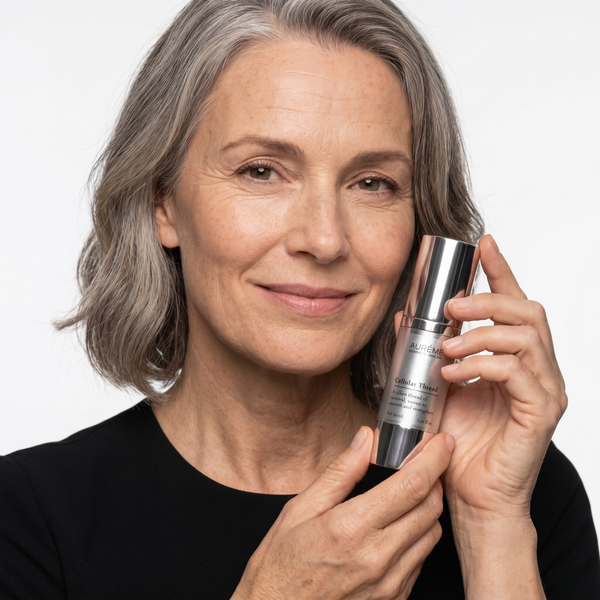
For those looking to address the appearance of pigmentation in this delicate area, our C-Veil Citrine Tonic was formulated with Vitamin C and Niacinamide to support a more radiant and even tone. If you are exploring ways to encourage skin longevity and resilience against thinning, Cellular Thread includes a specialised peptide complex and Liquorice Root to assist in maintaining the luminosity and firmness of the periorbital region.
FAQ
Can allergies cause permanent dark circles?
Allergies cause 'allergic shiners' due to histamine-induced vasodilation and venous congestion. While the congestion is temporary, chronic rubbing of the itchy eye area can lead to lichenification (skin thickening) and post-inflammatory hyperpigmentation, which can be long-lasting if not treated with topical tyrosinase inhibitors [2].
Do topical creams actually work for dark circles?
Effectiveness depends on the cause. For vascular circles, caffeine and Vitamin K can help via vasoconstriction and improved coagulation. For pigmented circles, ingredients like Vitamin C, Niacinamide, and Tranexamic acid inhibit melanogenesis. However, structural shadows generally require dermal fillers or surgical intervention, as topicals cannot restore deep volume loss [1].
How does sleep deprivation contribute to under-eye darkness?
Lack of sleep causes the skin to become pale or sallow, making the underlying dark tissues and blood vessels more prominent. Furthermore, sleep debt triggers the autonomic nervous system to increase blood flow to sustain alertness, leading to dilated vessels and increased fluid accumulation in the infraorbital region.
References:
[1] Verschoore M, et al. Periorbital hyperpigmentation: a comprehensive review of diagnosis and treatment. J Am Acad Dermatol. 2018;79(5):915-926. doi:10.1016/j.jaad.2018.06.012
[2] Roberts WE. Periorbital hyperpigmentation: a new classification and approach to treatment. J Drugs Dermatol. 2015;14(4):307-313. doi:10.1089/jdd.2015.6543
[3] Ranu H, et al. The etiology and treatment of periorbital hyperpigmentation: a systematic review. Br J Dermatol. 2021;185(2):293-305. doi:10.1111/bjd.19987
Medical Disclaimer: This article is for educational purposes only and does not constitute medical advice. Always consult a qualified healthcare professional before starting any new skincare regimen. Content reviewed by a biomedical scientist.