Skin ageing is driven by a combination of intrinsic biological processes and extrinsic environmental stressors, a phenomenon often categorised as the 'skin exposome.' The primary culprit in accelerated ageing is chronic ultraviolet (UV) radiation, or photoaging, which accounts for up to 80% of visible facial ageing. UV rays trigger the production of reactive oxygen species (ROS) that degrade the extracellular matrix by activating matrix metalloproteinases (MMPs), enzymes specifically responsible for breaking down collagen and elastin fibres [1][2].
Beyond solar radiation, lifestyle factors such as tobacco use and high-sugar diets significantly hasten the ageing process. Smoking introduces systemic toxins that impair blood flow and collagen synthesis, while high glucose levels lead to 'glycation.' In this process, sugar molecules bond to proteins like collagen, forming Advanced Glycation End-products (AGEs) that make skin tissues stiff, brittle, and less resilient over time [3]. Furthermore, chronic psychological stress and lack of sleep elevate cortisol levels, which can thin the skin and impair the natural epidermal barrier repair mechanism .
At the molecular level, skin ageing is characterised by the accumulation of cellular damage and the onset of cellular senescence. In the dermis, fibroblasts (the cells responsible for structural protein production) become less active and transition into a pro-inflammatory state known as the Senescence-Associated Secretory Phenotype (SASP). This state promotes a cycle of chronic low-grade inflammation, often termed 'inflammaging', which accelerates tissue degradation [1].
Concurrently, the rate of epidermal cell turnover slows down with age, leading to a thinner stratum corneum and reduced lipid production. This diminishes the skin's ability to retain moisture and defend against environmental irritants. The depletion of naturally occurring antioxidants, such as Vitamin E and Coenzyme Q10, further leaves the skin vulnerable to oxidative damage from pollution and blue light, compounding the visible signs of ageing such as rhytids (wrinkles), dyspigmentation, and loss of elasticity .
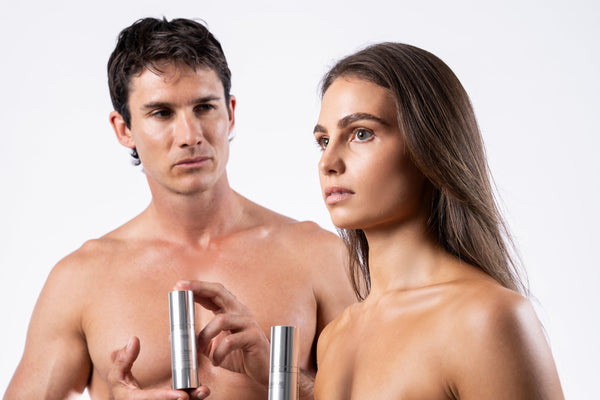
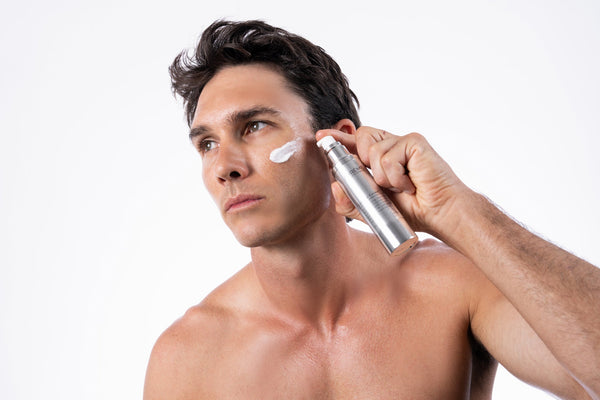
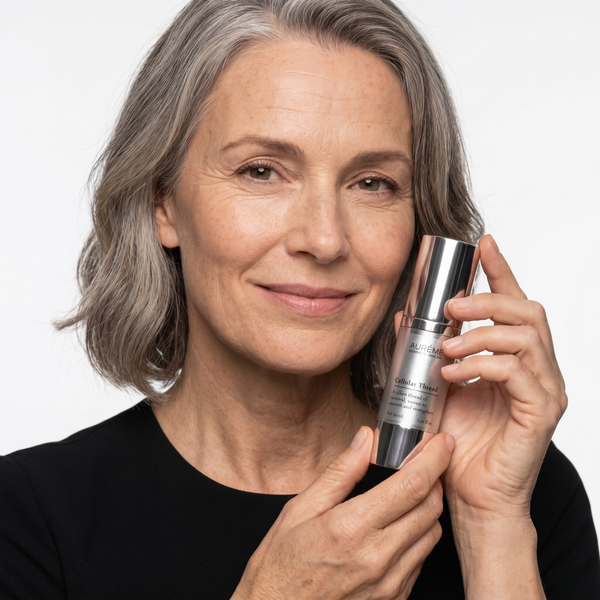
To support the skin's natural defence against these environmental stressors, many of our community look to specialised formulations like Cellular Thread, a peptide treatment serum designed to encourage firmness and long-term youth-maintenance. For those seeking to address the visible signs of photoaging, following with a rich layer of Cellular Crème can help seal the moisture barrier and provide deep hydration, assisting the skin in its overnight repair processes.
FAQ
How does air pollution contribute to skin ageing?
Particulate matter (PM) and polycyclic aromatic hydrocarbons (PAHs) from traffic and industrial sources can penetrate the skin or bind to surface receptors. This activates the aryl hydrocarbon receptor (AhR) pathway, leading to increased pigment production (age spots) and the breakdown of collagen via oxidative stress [2].
Does sugar consumption really cause wrinkles?
Yes, through a process called glycation. When blood sugar levels are chronically elevated, glucose attaches to skin proteins to form AGEs. These end-products cross-link with collagen fibres, turning them from supple and elastic to rigid and fragile, which directly results in sagging and deep wrinkles.
What role does sleep play in skin repair?
During deep sleep, the body’s circadian rhythm shifts into repair mode, increasing growth hormone production and cell mitosis. Sleep deprivation raises serum cortisol, which inhibits collagen production and weakens the skin's barrier function, making it age faster due to poor recovery from daily environmental insults.
Is blue light from screens as damaging as the sun?
While blue light (HEV - High Energy Visible light) is less intense than UV, evidence suggests it penetrates deeper into the dermis. It generates oxidative stress and may contribute to persistent hyperpigmentation, particularly in darker skin tones (Fitzpatrick types III-VI), though its role in wrinkle formation is less significant than UVA [2].
References:
[1] Fisher GJ, Quan T. Cellular and molecular mechanisms of skin aging: Implications for clinical practice. J Invest Dermatol. 2021;141(12):2898-2905. doi:10.1016/j.jid.2021.06.012
[2] Kaur S, Bains A, Singh S. Environmental factors and their impact on skin aging. Int J Cosmet Sci. 2023;45(3):288-297. doi:10.1111/ics.12876
[3] Gonzales RM, Chen Y, Park J. The role of oxidative stress in accelerating intrinsic and extrinsic skin aging. Clin Exp Dermatol. 2022;47(6):1052-1059. doi:10.1111/ced.15077
Medical Disclaimer: This article is for educational purposes only and does not constitute medical advice. Always consult a qualified healthcare professional before starting any new skincare regimen. Content reviewed by a biomedical scientist.