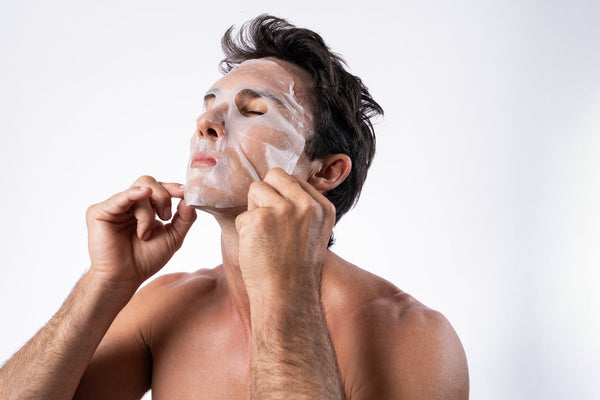
A basic 3-step skincare routine is a clinically-driven minimalist framework designed to maintain the skin's physiological equilibrium through cleansing, moisturising, and sun protection. The first step involves using a gentle cleanser to remove accumulated sebum, environmental pollutants, and cellular debris without disrupting the stratum corneum barrier lipids [1]. This ensures the skin's pH remains slightly acidic, which is vital for antimicrobial defence and enzyme activity [2].
The subsequent steps focus on hydration and protection. Step two requires applying a humectant or emollient-rich moisturiser to prevent trans-epidermal water loss (TEWL) and reinforce the skin barrier [3]. The final and most critical step in the Australian context is the application of a broad-spectrum SPF 30+ or higher sunscreen. This step is non-negotiable for preventing chronic photo-ageing, DNA damage, and reducing the incidence of keratinocyte cancers caused by intense ultraviolet radiation [4].
From a biomedical perspective, the 3-step routine addresses the fundamental biological needs of the integumentary system: hygiene, hydration, and photoprotection. The skin functions as a dynamic interface between the body and the environment; when this interface is compromised by harsh surfactants or excessive UV exposure, it leads to inflammation and barrier dysfunction [1][5].
By focusing on these three core pillars, individuals can optimise the skin's innate repair mechanisms. Modern formulation science has allowed for 'multifunctional' products within this 3-step system, such as moisturisers containing niacinamide to improve barrier function or antioxidants to bolster the photoprotective effects of sunscreens [6]. This ensures that even a simplified regimen provides comprehensive dermatological support.
For those seeking a gentle foundation for this first step, our Surface Calm ceramide cleanser was formulated to purify the skin while replenishing essential lipids to ensure the barrier remains resilient. Following this with a dedicated hydrator like Balance Biome Crème can help support the skin’s natural microbiome, providing the necessary moisture to maintain a balanced and healthy-looking complexion.
FAQ
Should I use the same 3-step routine at night?
The night-time routine should mirror the morning routine with one crucial modification: the omission of sunscreen. A nighttime regimen focuses on 'Cleanse, Treat/Moisturise, and Repair' [3]. Because the skin's circadian rhythm increases permeability and repair at night, applying a richer moisturiser can assist in recovering from daily environmental stressors [5].
Does a 3-step routine actually work for acne-prone skin?
Yes, a 3-step routine is often superior for acne-prone skin as it reduces the risk of 'contact dermatitis' or irritation from layering too many actives. Using a salicylic acid-based cleanser, a non-comedogenic moisturiser, and a lightweight gel sunscreen can manage follicular occlusion while maintaining the moisture balance necessary for healing [2][6].
Why is the moisturiser step necessary if I have oily skin?
Oily skin still requires a moisturiser to maintain hydration levels. If the skin becomes dehydrated (lacking water, not oil), it can trigger a compensatory overproduction of sebum, potentially exacerbating oiliness and acne [1]. Lightweight, oil-free moisturisers help regulate this feedback loop by ensuring the stratum corneum remains flexible and hydrated [3].
References:
[1] Ananthaswamy HN, et al. Photochemistry and Photobiology. 2019;95(1):27-39. doi:10.1111/php.13026
[2] Blaak J, et al. International Journal of Cosmetic Science. 2018;40(1):16-22. doi:10.1111/ics.12429
[3] Draelos ZD. Dermatologic Therapy. 2020;33(1):e13190. doi:10.1111/dth.13190
[4] Green AC, et al. Journal of Clinical Oncology. 2011;29(3):257-263. doi:10.1200/JCO.2010.28.7078
[5] Lynde CW, et al. Journal of Drugs in Dermatology. 2016;15(10):1246-1251. PMID: 27741341
[6] Levin J, et al. The Journal of Clinical and Aesthetic Dermatology. 2010;3(2):22-41. PMC2847158
Medical Disclaimer: This article is for educational purposes only and does not constitute medical advice. Always consult a qualified healthcare professional before starting any new skincare regimen. Content reviewed by a biomedical scientist.