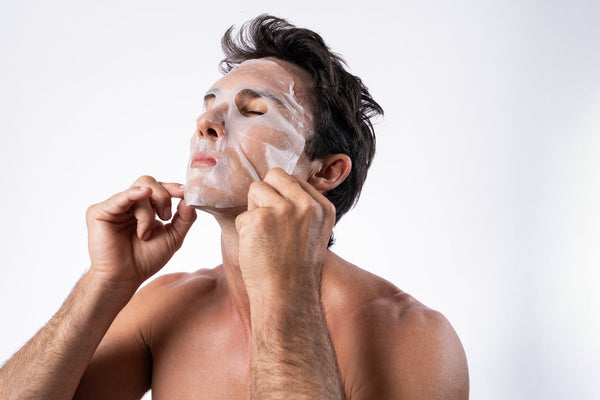
Prejuvenation is a proactive clinical strategy in dermatology that combines medical-grade skincare and non-invasive professional treatments to delay the visible signs of skin ageing before they manifest. Unlike traditional rejuvenation, which seeks to repair established damage such as deep rhytids (wrinkles) or dermal atrophy, prejuvenation focuses on maintaining the structural integrity of the skin's extracellular matrix (ECM). This approach is predominantly targeted at individuals in their 20s and 30s who possess healthy skin but are beginning to experience the cumulative effects of UV exposure and environmental pollutants [1].
The fundamental premise of prejuvenation involves the dual action of protection and stimulation. By utilising high-protection broad-spectrum sunscreens and topical antioxidants, the skin is shielded from the oxidative stress that leads to collagen degradation. Simultaneously, the inclusion of low-dose retinoids or mild chemical exfoliants encourages cellular turnover and reinforces the dermal basement membrane. This preventative methodology aims to prolong the 'youthful' state of the skin, potentially reducing the necessity for more invasive surgical interventions later in life [2][3].
At the molecular level, prejuvenation targets the biological mechanisms of photoageing and intrinsic ageing. The primary goal is the preservation of Type I collagen and elastin fibres, which provide the skin with tensile strength and elasticity. UV radiation induces the expression of matrix metalloproteinases (MMPs), enzymes responsible for breaking down collagen fibres; prejuvenation strategies aim to inhibit these enzymes and neutralise reactive oxygen species (ROS) before they trigger inflammatory cascades [1][4].
Furthermore, prejuvenation recognises the importance of the skin barrier function. Maintaining a robust epidermal barrier through the use of ceramides and niacinamide prevents transepidermal water loss (TEWL) and secondary inflammation, known as 'inflammageing'. This scientific shift from reactive to proactive care represents a deeper understanding of skin kinetics and the long-term benefits of early dermal intervention [5].
For those looking to fortify their skin's extracellular matrix during this preventative stage, our Cellular Thread peptide treatment serum was formulated to support long-term firmness and skin longevity with a bio-recognisable Cellular Peptide Complex. To further assist in maintaining a resilient barrier and delaying the visible signs of ageing, many of our customers pair this with Cellular Crème, a specialised moisturiser designed to preserve youth-preserved suppleness through deep, weightless hydration.
FAQ
What are the essential products for a prejuvenation routine?
The cornerstone of any prejuvenation regimen is a broad-spectrum SPF 50+ sunscreen to mitigate UV-induced DNA damage. This should be paired with a stabilised Vitamin C (L-ascorbic acid) serum in the morning to neutralise free radicals, such as C-Veil Citrine Tonic. In the evening, the introduction of a topical retinoid (such as retinol or retinaldehyde) is vital for stimulating fibroblast activity and maintaining collagen density [2][6]. Alternatively Solenne oil, using Bakuchiol, is a gentler approach.
When is the best age to start prejuvenation?
Clinical consensus suggests that the mid-20s to early 30s is the optimal window to commence a prejuvenation protocol. During this period, the natural production of collagen begins to decline by approximately 1% per year, and the skin's endogenous antioxidant capacity starts to diminish. Early intervention during this phase effectively 'banks' collagen for future years [1][4].
Do in-clinic treatments play a role in prejuvenation?
Yes, non-invasive procedures are frequently integrated into prejuvenation plans. Treatments such as low-energy 'baby' Botox (micro-dosing) can prevent the formation of dynamic expression lines into static wrinkles. Additionally, superficial chemical peels and non-ablative laser resurfacing are used to maintain skin texture and manage early dyspigmentation [3][7].
References:
[1] Goldie K, et al. Global Aesthetics Update: The Rise of Prejuvenation. Journal of Clinical and Aesthetic Dermatology. 2021;14(1):26-32.
[2] Borumand M, Sibilla S. Daily consumption of the collagen supplement Pure Gold Collagen® reduces visible signs of aging. Clinical Interventions in Aging. 2014;9:1747-1758. doi:10.2147/CIA.S65939
[3] Fabi SG, et al. The Evolution of Prejuvenation: Preventative Aesthetics in the Young Patient. Dermatologic Surgery. 2017;43(11):1320-1328. doi:10.1097/DSS.0000000000001211
[4] Fisher GJ, et al. Molecular mechanisms of photoaging and its prevention by retinoic acid. Journal of Investigative Dermatology. 1998;3(1):61-68. doi:10.1038/jidsymp.1998.15
[5] Papakonstantinou E, et al. Hyaluronic acid: A key molecule in skin aging. Dermato-Endocrinology. 2012;4(3):253-258. doi:10.4161/derm.21923
[6] Pullar JM, et al. The Roles of Vitamin C in Skin Health. Nutrients. 2017;9(8):866. doi:10.3390/nu9080866
[7] Wong VW, et al. The Science of Early Intervention: Micro-focused Ultrasound and Neuromodulators. Aesthetic Surgery Journal. 2019;39(Supplement_2):S56-S63. doi:10.1093/asj/sjy335
Medical Disclaimer: This article is for educational purposes only and does not constitute medical advice. Always consult a qualified healthcare professional before starting any new skincare regimen. Content reviewed by a biomedical scientist.