Skin longevity represents a paradigm shift in dermatology, moving away from the reactive 'anti-ageing' model towards a proactive focus on cellular health and functional lifespan. While anti-ageing often targets the superficial manifestations of time—such as correcting existing wrinkles or pigment—skin longevity prioritises the maintenance of the skin's biological systems. This involves preserving the integrity of the dermal matrix, mitochondrial function, and genomic stability to ensure the skin remains resilient and metabolically active for as long as possible [1][2].
Technically, the difference lies in the 'hallmarks of ageing'. Anti-ageing typically addresses the visible symptoms of these hallmarks, whereas skin longevity interventions aim to delay the onset of cellular senescence and maintain the homeostatic balance of the skin barrier [3]. In the harsh Australian climate, where UV-induced damage accelerates biological ageing (photo-ageing), a longevity approach focuses on reinforcing the skin's innate repair mechanisms and DNA damage response rather than just camouflaging the results of environmental stress [4].
At the molecular level, skin longevity is governed by the maintenance of cellular proteostasis and the prevention of 'inflammageing'—a state of chronic, low-grade inflammation that degrades collagen and elastin fibres. Scientific research suggests that by modulating pathways such as mTOR and activating sirtuins, we can potentially extend the 'healthspan' of dermal fibroblasts [2][5]. This involves the use of senotherapeutics and advanced antioxidants that work beyond simple free radical neutralisation to support the skin's natural circadian rhythms and autophagy processes [6].
Clinical dermatology is increasingly recognising that the skin is a reflection of systemic biological age. Therefore, skin longevity strategies often integrate topical interventions with lifestyle factors that influence the epigenome. In Australia, the emphasis is particularly strong on high-performance photoprotection and barrier repair, as the integrity of the stratum corneum is the first line of defence against the extrinsic factors that trigger premature cellular senescence [1][4].
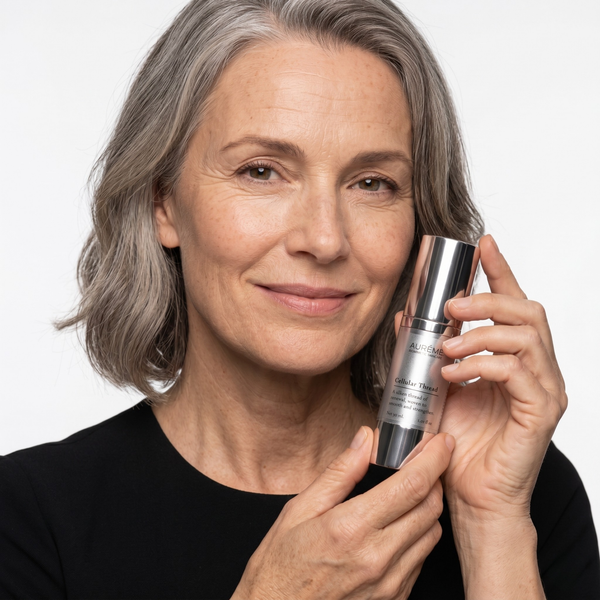
For those looking to transition towards a longevity-focused ritual, [Cellular Thread](https://auremeskin.com.au/products/cellular-thread) was formulated with a specialised peptide complex that the skin recognises, assisting in the maintenance of cellular health and firmness. To further support the dermal matrix, many of our customers pair this with [Cellular Crème](https://auremeskin.com.au/products/cellular-creme), a moisturiser designed to seal the barrier and promote the kind of long-term resilience essential for youth-preserved skin.
FAQ
What are senolytics and how do they relate to skin longevity?
Senolytics are a class of compounds designed to target and eliminate 'zombie cells' or senescent cells that have stopped dividing but refuse to die. These cells secrete pro-inflammatory cytokines, known as the Senescence-Associated Secretory Phenotype (SASP), which degrade neighbouring healthy tissue [3]. By clearing these cells, senolytic ingredients in skincare help to revitalise the dermal environment and promote more youthful cellular behaviour [5].
Does skin longevity replace the need for traditional retinoids?
Not exactly; rather, it contextualises them. Traditional retinoids like retinol and retinaldehyde are still cornerstone ingredients because they communicate with cell receptors to increase turnover and collagen production [6]. However, a longevity-focused routine might pair retinoids with DNA repair enzymes and NAD+ boosters to ensure the cellular machinery is healthy enough to respond effectively to the retinoid signal without causing excessive inflammation or barrier compromise [2][4].
How does the Australian climate impact skin longevity strategies?
Australia has some of the highest UV levels in the world, which significantly accelerates the depletion of the skin's antioxidant reservoir and damages genomic DNA [4]. A longevity approach in Australia necessitates a 'pre-tox' strategy: using broad-spectrum sun protection alongside stabilised Vitamin C, E, and Ferulic acid to prevent the molecular triggers of ageing before they manifest as clinical signs [1][6].
References:
[1] Krishnan S, et al. International Journal of Molecular Sciences. 2023;24(12):10145. doi:10.3390/ijms241210145
[2] Milani M, et al. Journal of Cosmetic Dermatology. 2022;21(9):3700-3708. doi:10.1111/jocd.15234
[3] López-Otín C, et al. Cell. 2023;186(2):243-278. doi:10.1016/j.cell.2022.11.001
[4] Passeron T, et al. Journal of the European Academy of Dermatology and Venereology. 2021;35(7):1467-1474. doi:10.1111/jdv.17179
[5] Borg M, et al. Aging Research Reviews. 2022;78:101633. doi:10.1016/j.arr.2022.101633
[6] Zasada M, et al. Advances in Dermatology and Allergology. 2019;36(4):392-397. doi:10.5114/ada.2019.87443
Medical Disclaimer: This article is for educational purposes only and does not constitute medical advice. Always consult a qualified healthcare professional before starting any new skincare regimen. Content reviewed by a biomedical scientist.