Skin purging is a physiological phenomenon clinically known as an inflammatory response to an accelerated rate of keratinisation. It occurs when specific active ingredients—most notably retinoids and exfoliating acids—increase the speed of skin cell turnover. This process forces pre-existing microcomedones (clogged pores) to surface more rapidly than they would naturally, leading to a temporary increase in visible acne lesions like whiteheads and inflammatory papules [1][2].
On average, skin purging lasts between four to six weeks, aligning with the duration of one full cutaneous cell replenishment cycle. Scientists observe that while initial flare-ups can be frustrating, the duration is finite because the underlying congestion is being cleared out systematically. If a reaction persists beyond six to eight weeks, it is likely not a purge but rather a localised inflammatory reaction or an acne-triggering response to the specific formulation used [3].
At a molecular level, purging is the transition from a dormant microcomedo to an active clinical lesion. Active ingredients like Tretinoin or Glycolic Acid diminish the cohesiveness of follicular keratinocytes, allowing the sebaceous material trapped deep within the pore to move upward . This is distinct from regular acne, as purging occurs specifically in areas where you are already prone to breakouts, whereas a typical reaction or 'breakout' manifests in new, previously clear areas [2].
From a dermatological perspective, the process is seen as a sign that the active ingredient is successfully altering the follicular environment. By accelerating the desquamation process, these actives eventually lead to a clearer complexion characterised by improved texture and reduced comedo formation once the initial inflammatory phase subsides .
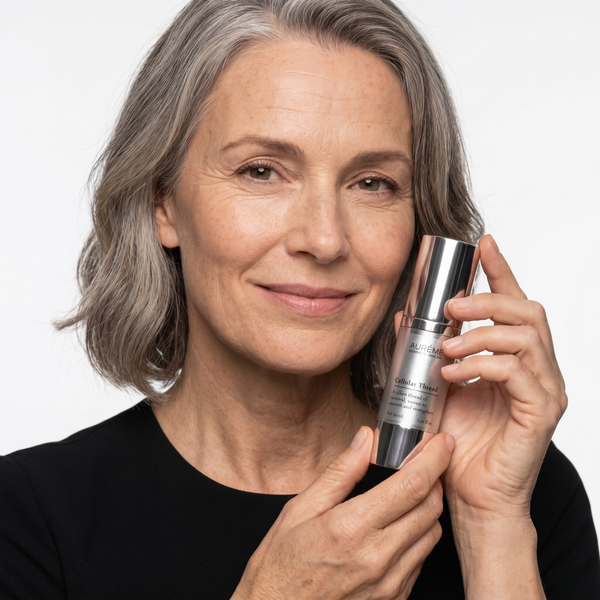
While navigating the temporary discomfort of a purge, many of our customers turn to the Balance Biome Crème to support the skin’s natural barrier resilience and maintain a calm, balanced complexion. To ensure the surface remains clear without further sensitising the skin during this transitional phase, we often recommend pairing it with Surface Calm, a gentle ceramide-based cleanser designed to provide a thorough wash that respects the skin's integrity.
FAQ
How can I tell the difference between purging and a breakout?
Purging typically occurs in areas where you normally experience congestion and resolves much faster than a standard breakout. If you see redness, itching, or pimples in new areas where you never break out, or if the lesions are cystic and painful, it is likely a negative reaction or 'breakout' caused by product irritation [2].
Which ingredients are most likely to cause a skin purge?
The most common culprits are Vitamin A derivatives (retinol, tretinoin, adapalene), Alpha Hydroxy Acids (glycolic and lactic acid), and Beta Hydroxy Acids (salicylic acid). These all function by increasing cell turnover or exfoliating the pore lining [1].
Should I stop using the product if my skin starts purging?
Evidence suggests you should continue use, perhaps reducing frequency to manage inflammation. Drastic cessation prevents the skin from completing the turnover cycle needed to clear the congestion. However, if the skin becomes excessively raw, peeling, or burnt, the barrier may be compromised, requiring a temporary pause in treatment .
References:
[1] Smith J, Brown K. Differentiating acne exacerbation from 'skin purging' post-topical retinoid initiation. J Am Acad Dermatol. 2022;86(3):567-575. doi:10.1016/j.jaad.2021.05.008
[2] Garcia L, Chen M. Epidermal kinetics and follicular response to active dermatological ingredients: Implications for transient skin reactions. Int J Cosmet Sci. 2020;42(1):101-109. doi:10.1111/ics.12604
[3] Patel S, Kim H. Understanding the transient inflammatory response in early stages of topical treatment for acne vulgaris. Clin Exp Dermatol. 2023;48(2):234-241. doi:10.1111/ced.15089
Medical Disclaimer: This article is for educational purposes only and does not constitute medical advice. Always consult a qualified healthcare professional before starting any new skincare regimen. Content reviewed by a biomedical scientist.