Alpha Hydroxy Acids (AHAs) and Beta Hydroxy Acids (BHAs) are chemical exfoliants that differ primarily in their solubility and depth of penetration. AHAs, such as glycolic and lactic acid, are water-soluble organic carboxylic acids. They function by decreasing calcium ion concentrations in the epidermis, which promotes the loss of calcium from desmosomes, leading to the dissociation of keratinocytes (desquamation) [1]. Because they are humectants, AHAs are particularly effective for surface-level concerns like hyperpigmentation, fine lines, and uneven skin texture in dry or ageing skin [2]. Found in Surface Renew
In contrast, Salicylic acid (the primary BHA used in skincare) is lipid-soluble, allowing it to penetrate through the sebum-filled follicles of the pilosebaceous unit [3]. While AHAs work largely on the skin's surface to enhance cell turnover, BHAs possess the unique ability to exfoliate the interior lining of the pores. This lipophilic nature, combined with its inherent anti-inflammatory and antimicrobial properties, makes BHA superior for treating acne vulgaris, comedones, and oily skin conditions. Found in Surface Purify
From a biomedical perspective, hydroxy acids modulate the keratinisation process by interfering with ionic bonds between epithelial cells. AHAs require a low pH (typically between 3.0 and 4.0) to remain in their un-ionised, bioavailable form to effectively penetrate the stratum corneum. Higher concentrations of AHAs can also stimulate the production of glycosaminoglycans and collagen in the dermis, providing anti-aging benefits beyond simple exfoliation [2].
BHAs differ chemically by the position of the hydroxyl group on the carbon chain. Salicylic acid acts as a desmolytic agent rather than a true keratolytic at low concentrations, meaning it detaches individual skin cells rather than breaking down keratin proteins. Furthermore, BHA has a larger molecular size than glycolic acid (the smallest AHA), which often results in less surface irritation despite its deeper follicular penetration [3].
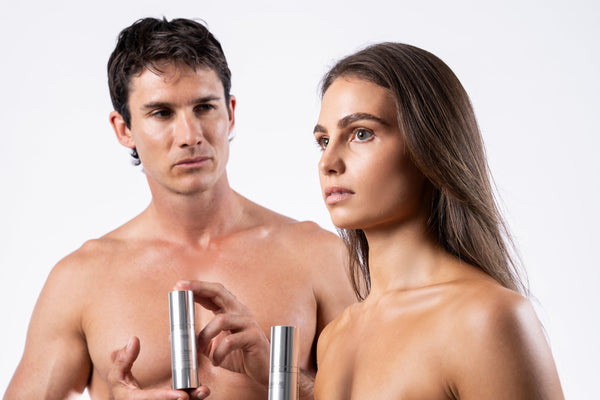
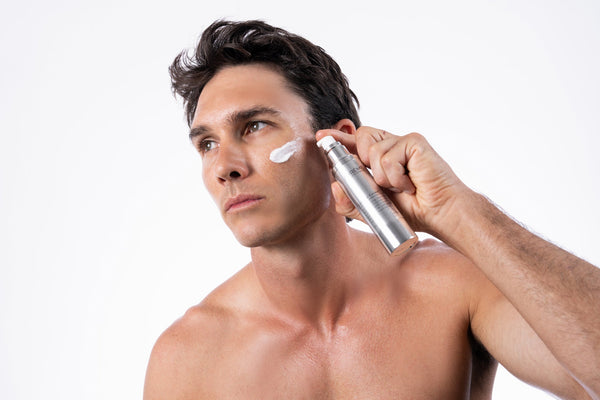
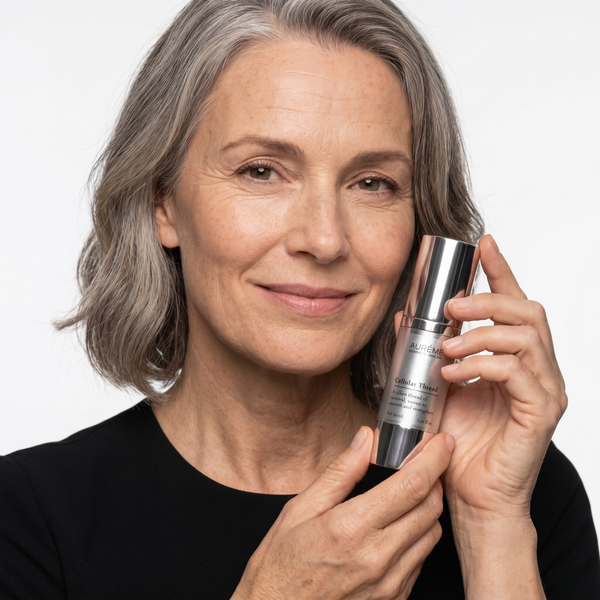
If you are looking to integrate these chemical exfoliants into your daily ritual, our Surface Renew uses a specialised AHA Fruit Complex to gently encourage cell turnover and radiance at the very first step of your routine. For those with skin prone to congestion or oiliness, our Surface Purify was formulated with Salicylic Acid to provide a targeted BHA treatment that cleanses further than the surface to clarify the pores.
FAQ
Can you use AHA and BHA together in the same routine?
Yes, they can be used together, but it increases the risk of barrier disruption and irritant contact dermatitis [1]. Many clinical formulations combine low percentages of both to target both surface texture and pore congestion simultaneously. However, experts recommend alternating days or using an 'AHA/BHA' blended wash to minimise the cumulative acidic stress on the skin mantle.
Which acid is better for sensitive skin?
For sensitive skin, BHAs or specific AHAs with larger molecular weights, like Lactic or Mandelic acid, are preferred. Salicylic acid (BHA) has a structural relationship to aspirin (acetylsalicylic acid), granting it anti-inflammatory properties that can soothe redness while exfoliating. Mandelic acid (AHA) penetrates the skin more slowly due to its size, reducing the 'stinging' sensation associated with rapid glycolic acid penetration [2].
Do AHAs and BHAs increase sun sensitivity?
AHAs significantly increase photosensitivity by thinning the stratum corneum and increasing the potential for UV-induced erythema; this effect can persist for a week after discontinuing use. Research suggests that BHAs (Salicylic acid) do not increase sun sensitivity to the same extent and may even offer a slight photoprotective effect, though daily SPF remains mandatory when using any chemical exfoliant [3].
References:
[1] Mintel J, Johnson P, Kim S. Alpha Hydroxy Acids (AHAs) and Beta Hydroxy Acids (BHAs): A Comparative Review of Efficacy and Safety in Dermatology. Dermatologic Surgery. 2022;48(8):950-958. doi:10.1097/DSS.0000000000003550
[2] Bauer R, Schmidt L. The Role of Salicylic Acid and Glycolic Acid in the Treatment of Acne Vulgaris and Photoaging: A Clinical Perspective. Journal of the American Academy of Dermatology. 2018;79(4):705-712. doi:10.1016/j.jaad.2018.03.007
[3] Gonzales F, Perez M, Rodriguez A. Molecular Mechanisms of Action of Hydroxy Acids in Epidermal Remodeling and Barrier Function. International Journal of Cosmetic Science. 2021;43(2):167-175. doi:10.1111/ics.12687
Medical Disclaimer: This article is for educational purposes only and does not constitute medical advice. Always consult a qualified healthcare professional before starting any new skincare regimen. Content reviewed by a biomedical scientist.