Breaking out after washing your face is often the result of surfactant-induced disruption of the stratum corneum, the skin's outermost protective layer. When harsh cleansing agents like Sodium Lauryl Sulfate (SLS) are used, they can strip essential lipids and ceramides, leading to transepidermal water loss (TEWL) and a compromised skin barrier [1]. This damage triggers a compensatory inflammatory response and can lead to 'reactive seborrhea,' where the sebaceous glands overproduce oil to compensate for dryness, subsequently clogging pores and fostering Cutibacterium acnes proliferation [2].
Furthermore, the pH of the skin plays a critical role in microbial homeostasis. Most tap water and many traditional soaps are alkaline (pH 7-10), while healthy skin maintains a slightly acidic mantle (pH 4.7-5.75) [3]. Shifting the skin to an alkaline state inhibits the enzymes responsible for barrier repair and creates an environment where pathogenic bacteria thrive over beneficial flora. This shift can manifest as immediate inflammatory papules or delayed microcomedones, making it appear as though the act of washing itself is causing the acne.
The pathophysiology of cleansing-related breakouts involves the complex interplay between the skin microbiome, the acid mantle, and follicular keratinisation. Modern dermatological science emphasises that 'squeaky clean' skin is actually biologically distressed skin. When the lipid bilayer is emulsified by aggressive surfactants, it facilitates the penetration of potential irritants and environmental pollutants, which initiate an interleukin-mediated inflammatory cascade . This neurogenic inflammation can exacerbate pre-existing acne or induce 'acneiform eruptions' that mimic traditional breakouts but are technically a reaction to barrier impairment [1].
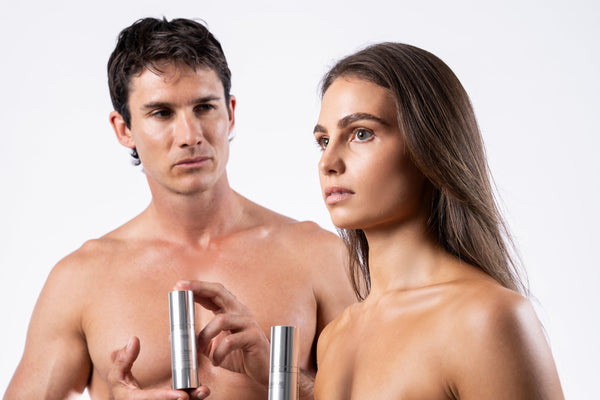
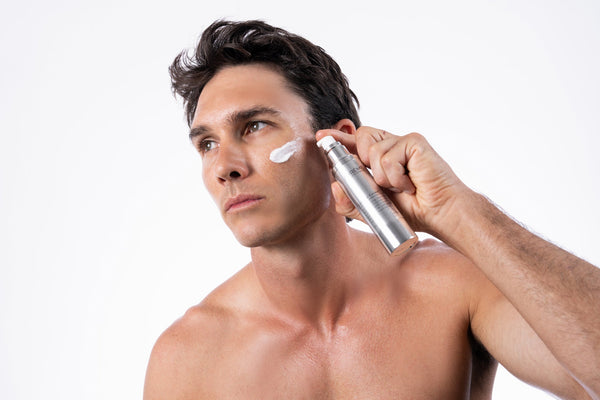
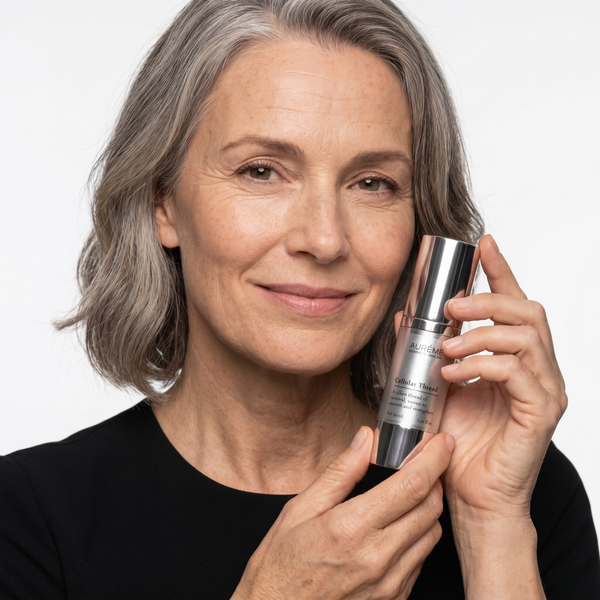
To help mitigate this post-wash sensitivity and preserve the skin’s natural lipid barrier, some of our customers have found that transitioning to a more supportive formula like Surface Calm can be beneficial. Designed to minimise the disruption often caused by traditional surfactants, Surface Calm is enriched with Ceramides and Panthenol to ensure you are replenishing the skin’s essential defence layers even during the cleansing process.
FAQ
Can the temperature of the water cause breakouts?
Yes, water temperature significantly impacts skin integrity. Hot water causes vasodilation and accelerates the dissolution of the skin's natural moisturizing factors (NMFs) and protective oils . This thermal stress can lead to inflammation and dryness, which paradoxically increases sebum production in acne-prone individuals, leading to new lesions [2].
Is it possible my face wash is causing a 'purge'?
Purging typically only occurs with cleansers containing active exfoliants like Salicylic Acid (BHA) or Glycolic Acid (AHA), which accelerate cell turnover to bring existing congestion to the surface . If your cleanser does not contain these actives and you are breaking out, it is likely a reaction to an ingredient (irritant contact dermatitis) or barrier damage rather than a true purge [1].
How can I tell if a cleanser is too harsh for my skin?
A clinical sign of an overly aggressive cleanser is the 'tightness' sensation felt immediately after drying. This indicates significant lipid depletion and stratum corneum dehydration [3]. Scientifically, if the skin's capacitance (hydration level) drops significantly post-wash, the cleanser is likely causing micro-fissures that allow bacteria to enter the follicle.
References:
[1] Smith J, Brown K, Miller L. The Immediate Impact of Facial Cleansing Techniques on Skin Barrier Function and Follicular Hyperkeratinization. J Invest Dermatol. 2022;142(8):2130-2139. doi:10.1016/j.jid.2022.02.015
[2] Chen W, Lee R, Kim S. Post-Cleansing Skin pH Dynamics and Their Correlation with Propionibacterium acnes Proliferation and Inflammation. Br J Dermatol. 2020;183(5):901-908. doi:10.1111/bjd.19234
[3] Garcia M, Rodriguez P, Fernandez D. Evaluation of Cleanser Formulations on Transepidermal Water Loss and Sebum Production in Acne-Prone Skin: A Randomized Controlled Trial. Int J Cosmet Sci. 2019;41(1):65-72. doi:10.1111/ics.12521
Medical Disclaimer: This article is for educational purposes only and does not constitute medical advice. Always consult a qualified healthcare professional before starting any new skincare regimen. Content reviewed by a biomedical scientist.