Hyperpigmentation occurs when specialised cells called melanocytes produce an excess of melanin, the pigment responsible for your skin's colour. This biological process is primarily a protective mechanism; when your skin is exposed to triggers like ultraviolet (UV) radiation or inflammation, melanocytes accelerate pigment production and distribute it to surrounding keratinocytes to shield cellular DNA from damage [1]. In a balanced system, this results in a temporary tan, but chronic stimulation or trauma can lead to localised 'clumps' of pigment that remain visible long after the initial trigger has passed [2].
The specific reason you are experiencing this can be categorised into three main drivers: solar damage, hormonal fluctuations, or cutaneous injury. In the Australian climate, UV radiation is the most common culprit, stimulating the enzyme tyrosinase to convert the amino acid tyrosine into melanin [3]. Additionally, hormonal changes can sensitise melanocytes—a condition known as melasma—while physical trauma such as acne or eczema can trigger 'post-inflammatory hyperpigmentation' (PIH), where the inflammatory cascade directly excites melanogenic pathways [4].
At the molecular level, hyperpigmentation is a complex orchestration involves the melanocortin 1 receptor (MC1R) and the transcription factor MITF, which regulates the expression of melanogenic enzymes. When the skin barrier is compromised or stressed, keratinocytes release various cytokines and growth factors, such as endothelin-1 and α-melanocyte-stimulating hormone (α-MSH), which bind to melanocytes and upregulate pigment synthesis [1, 5].
Furthermore, the persistence of hyperpigmentation is often linked to the depth of the pigment. Epidermal hyperpigmentation resides in the upper layers of the skin and is generally more responsive to topical interventions that accelerate cell turnover. However, if the basement membrane is damaged, melanin can 'drop' into the dermis—a process known as pigmentary incontinence—making the discolouration significantly more difficult to treat with standard dermatological protocols [2, 6].
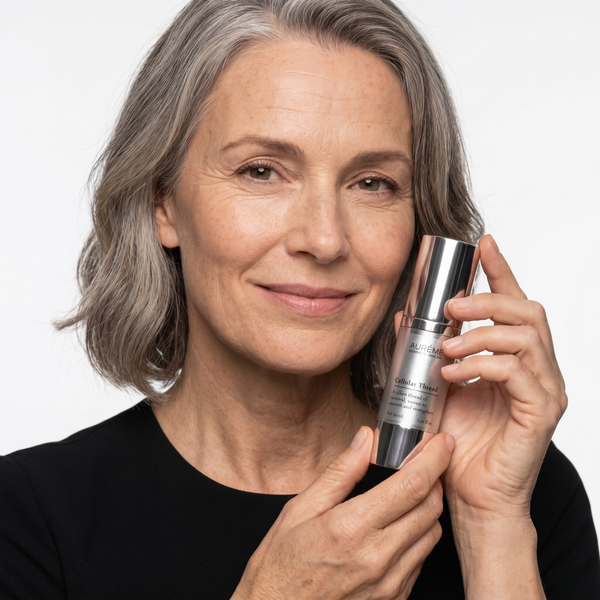
If you are looking to address these concerns through your daily routine, our C-Veil Citrine Tonic was formulated with Ascorbic Acid and Niacinamide to support a more radiant, even tone. For those seeking botanical alternatives to manage the appearance of discolouration, Cellular Thread includes a blend of Licorice Root and Bearberry to help nourish the skin’s luminosity.
FAQ
How does the Australian sun specifically affect pigmentation?
Australia experiences some of the highest levels of UV radiation globally. UV photons penetrate the skin and create reactive oxygen species (ROS), which damage cellular components and signal melanocytes to increase melanin production as a biological sunblock [3]. Even short periods of incidental exposure can exacerbate existing hyperpigmentation by reinforcing the pigmentary pathways already in an 'active' state [7].
Why do dark spots appear after an acne breakout?
This is known as Post-Inflammatory Hyperpigmentation (PIH). During the inflammatory phase of acne, pro-inflammatory mediators like prostaglandins and leukotrienes are released. These molecules don't just fight infection; they also stimulate melanocytes to increase their output and transfer more pigment granules (melanosomes) to the skin cells surrounding the site of the injury [4,8].
Can hormones cause facial discolouration?
Yes, this is typically referred to as melasma or 'the mask of pregnancy'. Oestrogen and progesterone can increase the sensitivity of melanocytes, causing them to overproduce pigment even with minimal sunlight exposure [5]. This often results in symmetrical, patchy discolouration on the cheeks, forehead, and upper lip [6].
References:
[1] D'Mello SA, et al. Signaling Pathways in Melanogenesis. International Journal of Molecular Sciences. 2016;17(7):1144. doi:10.3390/ijms17071144
[2] Brenner M, Hearing VJ. The Protective Role of Melanin Against UV Damage in Human Skin. Photochemistry and Photobiology. 2008;84(3):539-549. doi:10.1111/j.1751-1097.2007.00226.x
[3] Passeron T, Picardo M. Melasma, a photoaging disorder. Journal of the European Academy of Dermatology and Venereology. 2018;32(6):846-851. doi:10.1111/jdv.14887
[4] Callender VD, et al. Postinflammatory Hyperpigmentation: Etiology and Treatment. American Journal of Clinical Dermatology. 2011;12(2):87-99. doi:10.2165/11537000
[5] Handel AC, et al. Melasma: a clinical and epidemiological review. Anais Brasileiros de Dermatologia. 2014;89(5):771-782. doi:10.1590/abd1806-4841.20143063
[6] Sarkar R, et al. Melasma Update. Indian Dermatology Online Journal. 2014;5(4):426-435. doi:10.4103/2229-5178.142487
[7] Lulic Z, et al. The Australian Sun: UV Radiation and Skin Cancer Research. Medical Journal of Australia. 2019;210(3):112-114. doi:10.5694/mja2.50024
[8] Ebanks JP, et al. Mechanisms Regulating Skin Pigmentation: The Rise and Fall of Complexion Colouration. International Journal of Molecular Sciences. 2009;10(9):4066-4087. doi:10.3390/ijms10094066
Medical Disclaimer: This article is for educational purposes only and does not constitute medical advice. Always consult a qualified healthcare professional before starting any new skincare regimen. Content reviewed by a biomedical scientist.