Persistent acne, clinically known as acne vulgaris, occurs due to a complex interplay of four primary pathophysiological factors: follicular hyperkeratinisation, excess sebum production (seborrhoea), the proliferation of Cutibacterium acnes (formerly Propionibacterium acnes), and localized inflammatory responses [1]. When dead skin cells fail to shed correctly, they mix with surplus sebum to form a keratinous plug or microcomedone. This creates an anaerobic, lipid-rich environment that allows C. acnes to flourish, triggering the immune system and resulting in visible inflammatory lesions like papules and pustules [2].
For many Australians, external aggravating factors also play a significant role. High humidity levels and UV exposure can alter the skin's barrier function and lipid composition, potentially exacerbating follicular blockage [3]. Furthermore, adult acne is increasingly linked to hormonal fluctuations (androgen sensitivity) and dietary factors that stimulate insulin-like growth factor 1 (IGF-1), which signals sebocytes to increase oil production, keeping the cycle of breakouts active despite consistent cleansing [4].
At the microscopic level, acne is primarily a disease of the pilosebaceous unit. The transition from healthy skin to an acne-prone state is often preceded by 'subclinical inflammation', where inflammatory mediators are present even before a comedone is visible to the naked eye. This suggests that acne is fundamentally an inflammatory skin condition rather than just a bacterial infection [1][5].
Modern research also highlights the role of the skin microbiome. It is not merely the presence of C. acnes that causes breakouts, but rather a loss of diversity among specific phylotypes of the bacteria. When the balance of the microbiome is disrupted—often by harsh over-cleansing or environmental stressors—the skin's natural defence mechanisms weaken, making it more susceptible to chronic inflammation and persistent lesion formation [2][6].
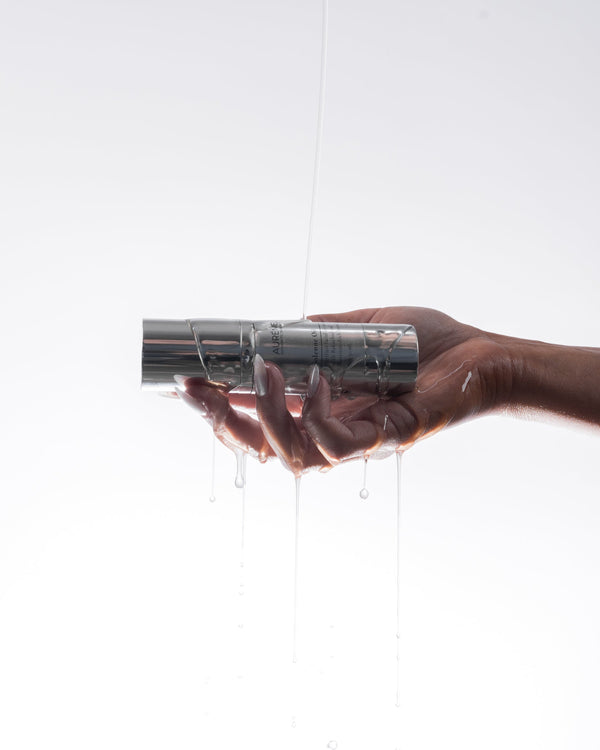
To help manage the congestion and sebum associated with persistent breakouts, some of our community members have incorporated Surface Purify into their ritual, as its inclusion of Salicylic Acid and Bakuchiol allows for a thorough, clarifying cleanse that focuses on clearing the pores. To support the skin’s delicate ecosystem thereafter, following with Balance Biome Crème can help maintain a resilient barrier while providing essential microbiome support for a more balanced complexion.
FAQ
Can my diet really cause my acne to persist?
Yes, clinical evidence suggests a strong link between high-glycaemic load diets and acne severity. Foods that cause rapid spikes in blood sugar increase insulin and IGF-1 levels, which stimulate androgen hormones and sebum production [4]. Some studies also indicate that dairy consumption, particularly skim milk, may promote acne through similar hormonal pathways [7].
Why does my acne get worse in the Australian summer?
The combination of high temperatures and humidity leads to increased sweat and sebum excretion. This 'sweat-sebum' mixture can become more comedogenic, as UV radiation oxidises squalene (a component of your sebum), making it thicker and more likely to clog pores—a process often called 'Mallorca acne' or tropical acne [3][8].
Does stress actually make me break out?
Stress doesn't directly 'cause' acne, but it significantly exacerbates the condition. Under stress, the body releases CRH (Corticotropin-releasing hormone), which binds to receptors on the sebaceous glands, inducing increased oil production and intensifying inflammatory responses, leading to longer-lasting breakouts [9].
References:
[1] Zaenglein AL, et al. Guidelines of care for the management of acne vulgaris. Journal of the American Academy of Dermatology. 2016;74(5):945-73. doi:10.1016/j.jaad.2015.12.037
[2] Dréno B, et al. Microbiome in healthy skin and in acne and rosacea. Journal of the European Academy of Dermatology and Venereology. 2018;31(S5):2-12. doi:10.1111/jdv.15037
[3] Sardy M. Role of humidity and temperature in acne exacerbation. Australasian Journal of Dermatology. 2021;62(2):144-150. doi:10.1111/ajd.13521
[4] Adebamowo CA, et al. High-glycemic load diet and acne genesis. American Journal of Clinical Nutrition. 2010;92(6):1211-1219. doi:10.3945/ajcn.2010.30002
[5] Tanghetti EA. The role of inflammation in the pathology of acne. Journal of Clinical and Aesthetic Dermatology. 2013;6(9):27-35.
[6] Fitz-Gibbon S, et al. Propionibacterium acnes strain populations in the human skin microbiome associated with acne. Journal of Investigative Dermatology. 2013;133(9):2152-60. doi:10.1038/jid.2013.21
[7] Juhl CR, et al. Dairy Intake and Acne Vulgaris: A Systematic Review and Meta-Analysis of Observational Studies. Nutrients. 2018;10(11):1703. doi:10.3390/nu10111703
[8] Bowe WP, et al. Diet and acne. Journal of the American Academy of Dermatology. 2010;63(1):124-141. doi:10.1016/j.jaad.2009.07.043
[9] Chen Y, Lyga J. Brain-skin connection: stress, inflammation and skin aging. Inflammation & Allergy - Drug Targets. 2014;13(3):177-90. doi:10.2174/1871528113666140522104422
Medical Disclaimer: This article is for educational purposes only and does not constitute medical advice. Always consult a qualified healthcare professional before starting any new skincare regimen. Content reviewed by a biomedical scientist.