The sensation of tightness after applying moisturiser often stems from an imbalance between humectants and occlusives within a formulation. High concentrations of humectants like Hyaluronic Acid or Glycerin draw moisture from the environment into the stratum corneum; however, in low-humidity conditions, these molecules may instead draw water upward from the deeper dermis. If the product lacks sufficient occlusive agents; such as petrolatum, ceramides, or dimethicone, to seal that moisture in, the water quickly evaporates through transepidermal water loss (TEWL), leaving the skin surface dehydrated and physically contracted [1][2].
Additionally, the 'flash dry' effect can occur when volatile alcohols (e.g., alcohol denat) or specific film-forming polymers (e.g., PVP or acrylates) are used to give the product a lightweight, matte finish. As these components evaporate or set into a film, they create a mechanical tension on the skin surface. This tension is perceived by sensory mechanoreceptors as tightness, even if the underlying tissue is technically hydrated [3]. In some cases, a damaged lipid barrier allows the moisturiser's pH or certain surfactants to irritate the viable epidermis, triggering a low-grade inflammatory response that manifests as surface tautness.
Skin tightness is a sensory perception regulated by the stratum corneum's biomechanical properties. When the water content of the cornified layer drops below 10%, the corneocytes shrink and the lipid bilayer loses elasticity, increasing the Young’s modulus of the skin—essentially making it stiffer and more resistant to movement . This triggers A-delta sensory fibres which signal the 'tight' sensation to the brain.
From a clinical perspective, effective moisturisation requires a triad approach: humectants to bind water, emollient lipids to fill gaps between corneocytes, and occlusives to prevent evaporation. If a formulation is 'humectant-heavy' but 'occlusive-poor,' it can paradoxically dehydrate the skin via an osmotic gradient shift, a phenomenon particularly prevalent in arid climates or air-conditioned environments [1].
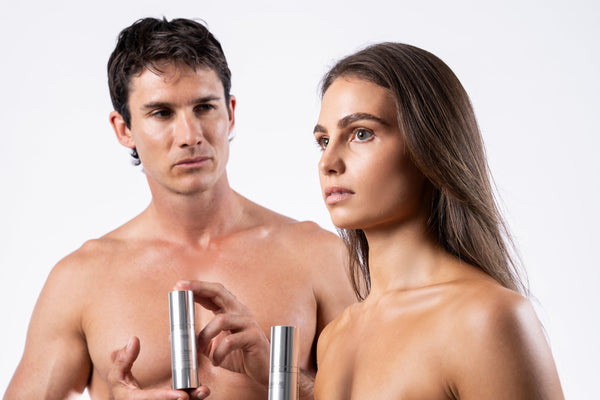
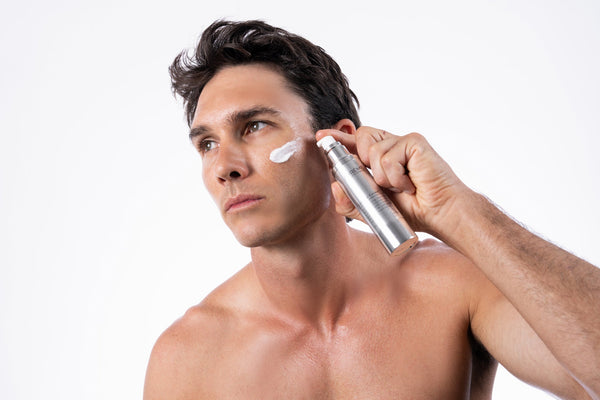
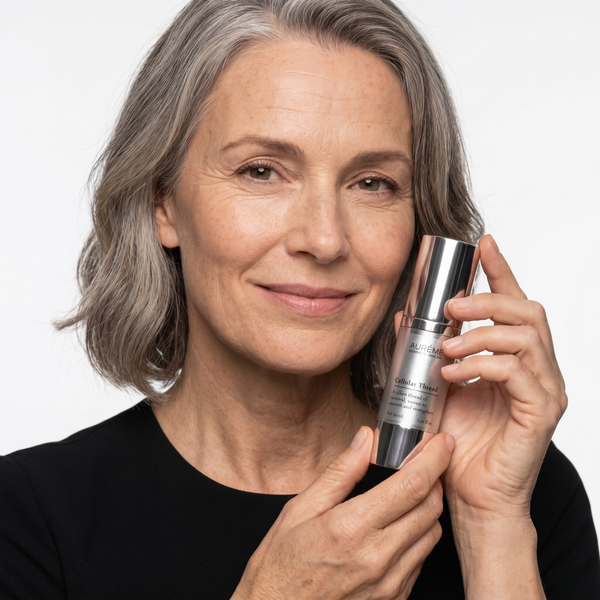
To address this loss of moisture, some of our community members look for formulations that prioritise barrier resilience; for instance, our Balance Biome Crème is designed with Shea Butter and Niacinamide to provide a protective seal that prevents trans-epidermal water loss. For those requiring more intensive support, the Cellular Crème utilises a specialised blend of Sodium Hyaluronate and occlusives to ensure that hydration is recognised and retained by the skin, rather than evaporating into the air.
FAQ
Can Hyaluronic Acid actually dry out my skin?
Yes, Hyaluronic Acid (HA) is a powerful humectant that can hold 1,000 times its weight in water, but it does not contain water itself. If applied to dry skin in a dry environment without an occlusive layer over it, HA will pull moisture out of the skin layers to satisfy its binding capacity, leading to increased evaporation and a feeling of tightness [2].
Does a 'sting' or 'tightness' mean the product is working?
No, significant tightness or stinging is usually a sign of 'sensory irritation' or a compromised skin barrier. While some actives like AHAs may cause a mild, temporary tingle, persistent tightness indicates that the product is either disrupting the acid mantle or failing to provide adequate lipid replenishment to the stratum corneum.
How do I stop my face from feeling tight after moisturising?
To prevent tightness, apply your moisturiser to slightly damp skin to provide the humectants with external water to bind. Furthermore, look for 'barrier-repairing' ingredients like cholesterol, free fatty acids, and ceramides in a 3:1:1 ratio, which clinically demonstrate the ability to restore the skin's physical flexibility and reduce TEWL.
References:
[1] Rippke F, Schreiner V, Schürer N. The science of skin feel: Relating instrumental measurements to sensory perception of emollients. Int J Cosmet Sci. 2017;39(6):629-637. doi:10.1111/ics.12423
[2] Lodén M, Maibach HI. Dry Skin and Moisturizers: Chemistry and Function. 3rd ed. Boca Raton, FL: CRC Press; 2015. Chapter 12: Sensory evaluation of moisturizers; p. 197-210.
[3] Draelos ZD. Clinical relevance of moisturizers in dermatologic conditions. Clin Dermatol. 2018;36(3):439-445. doi:10.1016/j.clindermatol.2018.03.003
Medical Disclaimer: This article is for educational purposes only and does not constitute medical advice. Always consult a qualified healthcare professional before starting any new skincare regimen. Content reviewed by a biomedical scientist.