The primary reason skin deteriorates in winter is a phenomenon known as transepidermal water loss (TEWL). When ambient humidity drops, the concentration gradient between the moisture in your skin and the dry air increases, literally pulling water out of your stratum corneum. This environmental stressor is compounded by low temperatures, which cause a decrease in sebaceous gland activity and a reduction in the synthesis of essential lipids like ceramides, cholesterol, and free fatty acids [1], [2]. Without these lipids, the skin's physical barrier becomes porous and dysfunctional.
Furthermore, the cold causes vasoconstriction to preserve core body heat, which reduces blood flow to the periphery. This decrease in microcirculation limits the delivery of nutrients and oxygen to the skin cells (keratinocytes), slowing down the natural desquamation process. As a result, dead skin cells accumulate on the surface, leading to a dull, flaky appearance and the potential for micro-fissures that trigger low-grade inflammation and itching, often referred to as 'winter itch' or xerosis [3].
From a biochemical perspective, winter skin issues are often rooted in the degradation of Filaggrin, a structural protein essential for the formation of the skin barrier. Cold and low humidity inhibit the enzymes responsible for processing Filaggrin into Natural Moisturising Factors (NMFs). NMFs are humectants like amino acids and lactic acid that hold water within the cells . A deficiency in NMFs leads to a loss of elasticity and increased sensitivity to external irritants.
Clinically, the transition from cold outdoor air to dry, heated indoor environments acts as a thermal shock to the skin. Central heating systems further deplete indoor humidity, often to levels below 20%, which is significantly lower than the 40-60% required for optimal enzymatic function within the epidermis. This cycle of temperature fluctuations causes the skin's 'gatekeeper' functions to fail, allowing allergens and pathogens easier access to the deeper dermal layers [2].
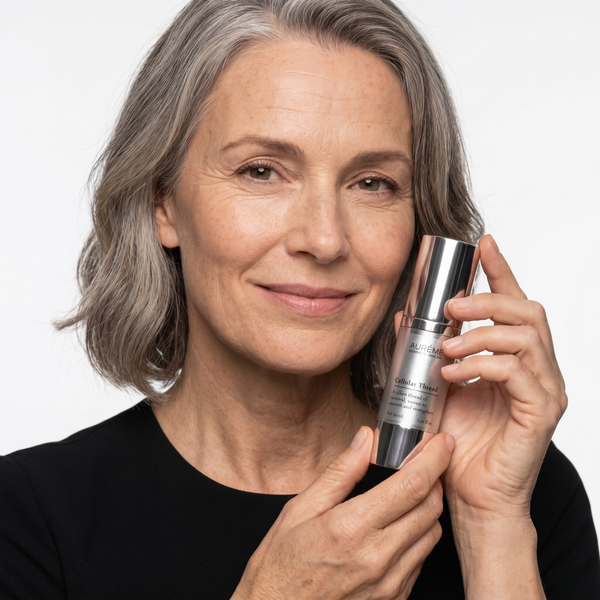
To address the seasonal depletion of essential lipids and support your skin’s natural defence against moisture loss, you might consider reaching for a rich, specialised moisturiser like Cellular Crème, which is formulated with shea butter and sodium hyaluronate to seal the barrier. For those noticing increased sensitivity alongside winter dryness, our Balance Biome Crème includes bifida ferment lysate and niacinamide to help maintain resilience and comfort when environmental stressors are at their peak.
FAQ
Does hot water make winter skin worse?
Yes. While tempting during cold months, hot water effectively 'degreases' the skin by emulsifying its natural protective oils. This disrupts the lipid bilayer of the stratum corneum, leading to immediate post-shower dehydration and barrier impairment.
Why does my acne flare up during the winter?
Winter acne flares are often 'acne cosmetica' or 'irritant-induced acne.' When the skin is dehydrated, it can overcompensate by producing thicker sebum. Coupled with the accumulation of dead skin cells that fail to shed due to low moisture, pores become more easily occluded [1].
Which ingredients are best for winter skin repair?
Look for a combination of humectants, emollients, and occlusives. Glycerin and Hyaluronic acid draw moisture in, while ceramides and fatty acids repair the lipid barrier. Finally, occlusives like petrolatum or dimethicone create a physical seal to prevent TEWL in harsh conditions [2].
References:
[1] Honma M, et al. Seasonal variation in stratum corneum hydration and transepidermal water loss. J Dermatol Sci. 2017;85(2):162-164. doi:10.1016/j.jdermsci.2016.10.015
[2] Choi MJ, et al. Impact of low ambient humidity on skin barrier function and gene expression in mice. J Invest Dermatol. 2020;140(10):2068-2076.e4. doi:10.1016/j.jid.2020.02.040
[3] Proksch E, et al. Dry skin and winter: a review on underlying mechanisms and therapeutic approaches. Skin Pharmacol Physiol. 2022;35(2):67-74. doi:10.1159/000520627
Medical Disclaimer: This article is for educational purposes only and does not constitute medical advice. Always consult a qualified healthcare professional before starting any new skincare regimen. Content reviewed by a biomedical scientist.