Dull and tired-looking skin is primarily the result of a physiological phenomenon called desquamation failure. In healthy skin, dead corneocytes shed every 28 to 40 days; however, as we age or face environmental stressors, this process slows down. This leads to an accumulation of dead cells on the stratum corneum, which scatters light rather than reflecting it evenly, resulting in a loss of natural 'radiance' [1]. Furthermore, poor microcirculation can limit the delivery of oxygenated blood to the dermis, leading to the sallow, gray-ish undertones often associated with fatigue [2].
Beyond surface texture, external stressors like UV radiation and pollution trigger the production of reactive oxygen species (ROS). These molecules degrade structural proteins like collagen and elastin and cause lipid peroxidation, which compromises the skin’s barrier function [3]. When the barrier is weakened, transepidermal water loss (TEWL) increases, leaving the skin dehydrated. Dehydrated skin lacks the turgor and volume of healthy tissue, appearing sunken, shadowed, and physically 'tired' due to the lack of light refraction through hydrated epidermal layers.
At a molecular level, the appearance of dullness is often linked to the accumulation of Advanced Glycation End-products (AGEs). This occurs when excess glucose molecules bond to collagen and elastin fibers, a process that turns these normally translucent proteins yellowish or brown and makes them brittle . This phenomenon, known as the Maillard reaction in skin tissue, significantly contributes to the loss of the 'pinkish' hue associated with youthful vitality.
Simultaneously, the skin's circadian rhythm plays a critical role in its appearance. During sleep, the skin shifts from a protective mode to a repair mode, increasing melatonin production and growth hormone secretion to combat daily oxidative damage . Chronic sleep deprivation or high cortisol levels disrupt this rhythm, leading to increased inflammation and a visible 'tired' complexion due to impaired DNA repair and protein synthesis.
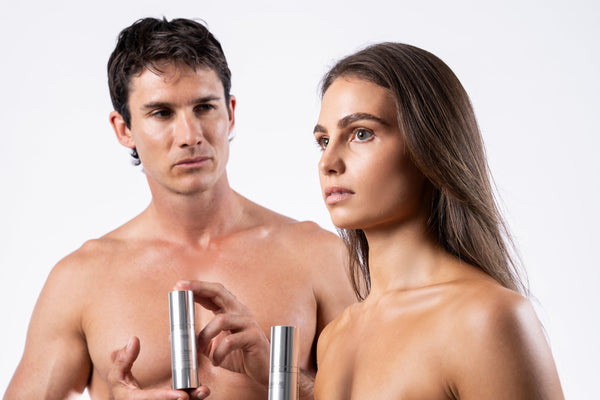
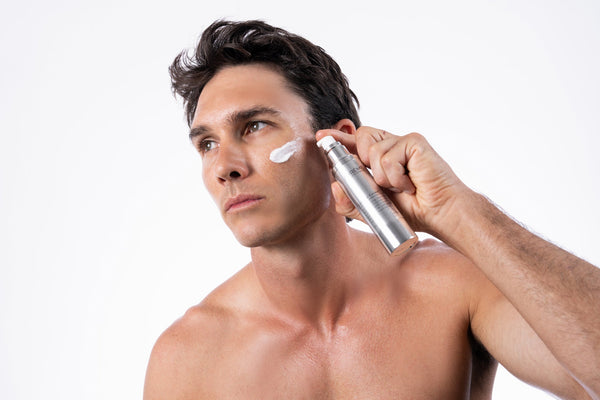
To address the buildup of dead skin cells and encourage a more luminous complexion, many of our clients incorporate Surface Renew into their daily ritual, as its blend of AHA fruit enzymes is designed to assist with gentle cellular turnover. For those seeking to further brighten a tired appearance, following with C-Veil Citrine Tonic can help restore radiance through a stable delivery of Vitamin C and Niacinamide.
FAQ
Can dehydration alone make skin look tired?
Yes. Dehydration reduces the thickness of the epidermis and the overall volume of the dermis. When skin cells aren't fully hydrated, they shrink, creating micro-fissures and an uneven surface that creates 'shadows' at a microscopic level rather than reflecting light .
How does vitamin C help brighten a dull complexion?
Vitamin C (L-ascorbic acid) acts as a potent antioxidant that neutralises free radicals caused by UV exposure. It also inhibits the enzyme tyrosinase, which prevents overproduction of melanin that can lead to an uneven, muddy skin tone, thereby restoring clarity and brightness [3].
Does stress actually change the way skin looks?
Stress triggers the release of cortisol, which is known to break down collagen and increase sebum production. High cortisol also impairs the skin's barrier repair and slows down the natural cell renewal process, leading to a chronically dull and inflamed appearance [2].
References:
[1] Lupin A, Dupont B. Environmental exposome and skin aging: Impact on radiance and texture. J Invest Dermatol. 2022;142(8):2105-2113. doi:10.1016/j.jid.2021.11.018
[2] Chen L, Wang M, Li J. Sleep deprivation and its implications for skin microcirculation and appearance. Dermatol Surg. 2019;45(3):388-395. doi:10.1097/DSS.0000000000001742
[3] Schmidt R, Muller S, Kohler T. Mechanisms of epidermal barrier dysfunction in leading to a perceived 'dull' complexion. Int J Cosmet Sci. 2017;39(1):12-20. doi:10.1111/ics.12351
Medical Disclaimer: This article is for educational purposes only and does not constitute medical advice. Always consult a qualified healthcare professional before starting any new skincare regimen. Content reviewed by a biomedical scientist.