Dullness despite a premium routine often stems from an accumulation of dead keratinocytes on the stratum corneum, a process known as hyperkeratosis. Even the most expensive moisturisers cannot reflect light effectively if the skin surface is microscopically uneven due to poor desquamation—the natural shedding of skin cells [1]. When these cells linger, they scatter light rather than reflecting it, leading to a matte, 'greyish' appearance regardless of the product's price point. Furthermore, many luxury formulations prioritise 'feel-good' textures and fragrances over the delivery of biomimetic lipids or pH-adjusted actives necessary to maintain a healthy refractive index [2].
Another significant factor is the biological 'bottleneck' created by impaired barrier function. If your expensive serums contain high concentrations of actives but your skin barrier is compromised, the resulting sub-clinical inflammation can lead to transepidermal water loss (TEWL). Dehydrated corneocytes shrivel, creating micro-fissures that disrupt the smooth surface required for a 'glow' [3]. Without addressing the underlying hydration and cellular turnover rate, expensive ingredients like gold flakes or rare botanical extracts remain superficial and unable to correct the physiological causes of dullness [4].
Skin radiance, often colloquially termed the 'glow', is a measurable optical phenomenon determined by the interaction of light with the skin's surface and subsurface layers. The Total Diffuse Reflectance is dictated by the smoothness of the stratum corneum and the distribution of chromophores like melanin and haemoglobin in the dermis [1, 5]. From a biomedical perspective, dullness is frequently a clinical sign of a reduced epidermal renewal rate, which naturally slows as we age, leading to a thicker layer of dehydrated, non-viable cells [2].
Furthermore, the Australian climate poses unique challenges; high UV exposure induces oxidative stress that degrades structural proteins like collagen and elastin. This degradation alters the dermal matrix, reducing the skin's ability to bounce back light from the deeper layers [4]. Science-led routines focus on 'optimising' the biological environment through controlled exfoliation (AHAs/BHAs) and antioxidants to neutralise free radicals, rather than relying on the prestige or price of a formulation [6].
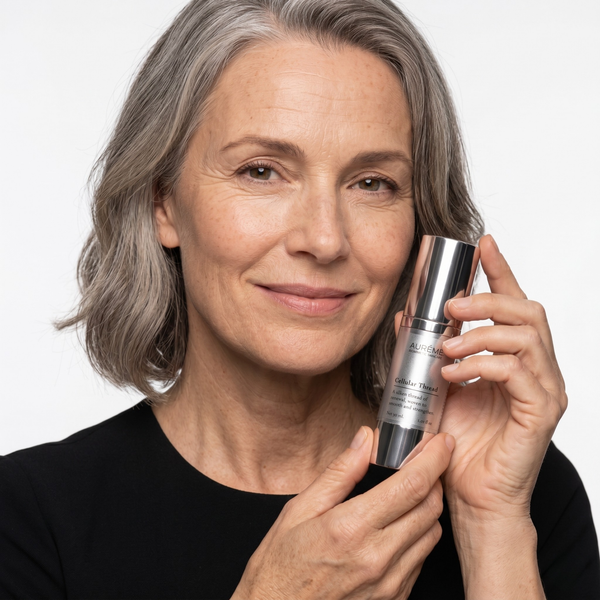
To address this buildup and encourage a more luminous surface, many individuals look to gentle enzymatic exfoliation to support the skin’s natural desquamation process. For those seeking to restore radiance, our [Surface Renew](https://auremeskin.com.au/products/surface-renew) was formulated with an AHA fruit complex and pineapple enzymes to help minimise the presence of dead skin cells, while the inclusion of Kakadu Plum in [Cellular Thread](https://auremeskin.com.au/products/cellular-thread) provides the specialised antioxidant support necessary for maintaining a youth-preserved, healthy glow.
FAQ
Can using too many expensive products actually make skin look duller?
Yes, a phenomenon known as 'product overload' can lead to chronic low-grade irritant contact dermatitis. When too many active ingredients are layered, the skin's pH is constantly disrupted, impairing the enzymes responsible for natural desquamation [2, 6]. This leads to a paradoxical build-up of dull, flaky skin as the barrier focuses on defence rather than repair.
How does hydration differ from oiliness in achieving a glow?
Surface sebum (oil) provides a greasy shine, but true radiance comes from deep epidermal hydration. Well-hydrated keratinocytes are plump and aligned, allowing light to travel through the epidermis and reflect off the dermis [3]. Expensive oils may sit on the surface, but without humectants like hyaluronic acid or glycerine to draw water into the cells, the skin remains biologically dull [5].
Does the Australian environment affect how products work?
Absolutely. High UV indices in Australia accelerate photo-ageing and pigment irregularities. If an expensive routine lacks adequate broad-spectrum SPF 50+, the 'brightening' effects of serums are instantly negated by UV-induced melanogenesis and protein carbonylation, which creates a sallow, dull skin tone [4, 6].
References:
[1] Rawlings AV, et al. Stratum corneum moisturization at the molecular level. Journal of Investigative Dermatology. 2005;124(6):1099-1110. doi:10.1111/j.0022-202X.2005.23728.x
[2] Del Bino S, et al. Clinical and biological characterization of skin surface radiance and highly radiant skin. International Journal of Cosmetic Science. 2021;43(5):543-556. doi:10.1111/ics.12730
[3] Verdier-Sévrain S, Bonté F. Skin hydration: a review on its molecular mechanisms. Journal of Cosmetic Dermatology. 2007;6(2):75-82. doi:10.1111/j.1473-2165.2007.00300.x
[4] Passeron T, et al. The solar UV environment and its impact on skin health. Skin Pharmacology and Physiology. 2020;33(3):128-139. doi:10.1159/000507315
[5] Voegeli R, et al. The presence of essential and non-essential amino acids in the stratum corneum and their influence on skin glow. International Journal of Cosmetic Science. 2019;41(4):357-368. doi:10.1111/ics.12543
[6] Lademann J, et al. Influence of topical applied antioxidants on the free radical index of human skin. Skin Pharmacology and Physiology. 2011;24(5):238-244. doi:10.1159/000326463