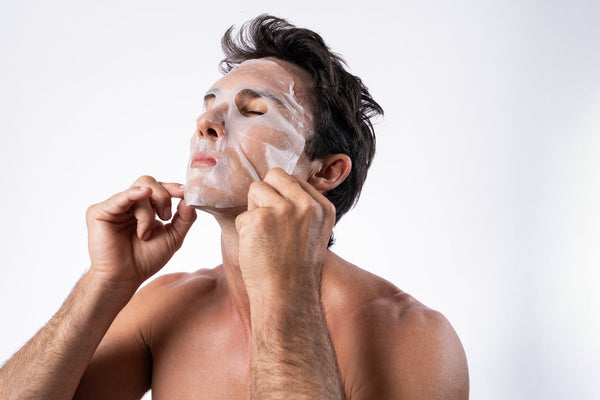
Facial oiliness, clinically known as seborrhoea, occurs when the sebaceous glands in the dermis produce an excessive amount of sebum. This oily, waxy substance is essential for maintaining the skin's barrier function and hydration; however, overproduction leads to a visible greasy sheen and predisposes the skin to acne vulgaris. The primary driver of this process is hormonal activity, specifically the action of androgens which bind to receptors on sebaceous glands, stimulating increased lipid synthesis [1]. Factors like genetics determine the size and density of these glands, while environmental stressors can further exacerbate the rate of excretion [2].
Beyond internal biology, the Australian climate often plays a significant role in why your face feels oily. High humidity and elevated temperatures increase the fluidity of sebum, allowing it to spread more easily across the skin surface. Furthermore, aggressive cleansing habits that strip the natural acid mantle can trigger a reactive response, where the skin attempts to compensate for perceived dryness by increasing sebum output [3].
From a physiological perspective, sebum is a complex mixture of triglycerides, wax esters, squalene, and free fatty acids. It is produced through holocrine secretion, where sebocyte cells mature, rupture, and release their contents into the hair follicle [1]. This process is largely regulated by the endocrine system, specifically dihydrotestosterone (DHT) and growth factors like insulin-like growth factor 1 (IGF-1), which are often influenced by dietary glycaemic load [4].
When sebum production is dysregulated, it can alter the skin's microbiome. Excessive oil provides a nutrient-rich environment for Cutibacterium acnes, leading to inflammation and follicular occlusion [2]. Modern dermatological interventions focus on modulating these pathways via topical retinoids, which normalise keratinisation, or sebum-regulating actives like niacinamide and zinc PCA [5].
For those seeking to manage excess sebum without stripping the skin's natural defence, our Surface Purify BHA Cleanser was formulated with Salicylic Acid to gently clarify congestion and Bakuchiol to support a refined texture. To maintain a healthy ecosystem thereafter, some of our customers find that the Balance Biome Crème helps encourage a more balanced complexion through the inclusion of Niacinamide and Bifida Ferment Lysate.
FAQ
Can my diet make my face more oily?
Yes, evidence suggests that high-glycaemic index diets can increase sebum production. These foods cause a rapid spike in blood glucose, triggering the release of insulin and IGF-1, both of which stimulate sebaceous gland activity [4]. Minimising refined sugars may help regulate oil levels.
Does using a moisturiser make oily skin worse?
Contrary to popular belief, skipping moisturiser can actually worsen oiliness. When the skin barrier is dehydrated, the body may overcompensate by producing more oil. Using a lightweight, non-comedogenic, oil-free humectant—such as one containing hyaluronic acid or glycerin—helps maintain balance without clogging pores [3][5].
Why does my skin get oilier throughout the day?
Sebum excretion follows a circadian rhythm, typically peaking in the mid-morning to early afternoon. Additionally, as environmental temperature rises during the day, the viscosity of sebum decreases, making it appear more prominent on the skin surface [2][6].
References:
[1] Makrantonaki E, et al. Genetics and skin ageing. Dermato-Endocrinology. 2011;3(1):23-29. doi:10.4161/derm.3.1.14619
[2] Sakuma K, Maibach HI. Oily skin: an overview. Skin Pharmacology and Physiology. 2012;25(5):227-235. doi:10.1159/000335521
[3] Draelos ZD. The effect of a daily facial cleanser for normal to oily skin on the skin barrier. Journal of Clinical and Aesthetic Dermatology. 2011;4(7):22-29.
[4] Smith RN, et al. A low-glycemic-load diet improves symptoms in acne vulgaris patients. American Journal of Clinical Nutrition. 2007;86(1):107-115. doi:10.1093/ajcn/86.1.107
[5] Draelos ZD, et al. The effect of 2% niacinamide on facial sebum production. Journal of Cosmetic and Laser Therapy. 2006;8(2):96-101. doi:10.1080/14764170600712486
[6] Verschoore M, et al. Circadian rhythm of sebum excretion. Chronobiology International. 1993;10(4):284-293. doi:10.3109/07420529309064483
Medical Disclaimer: This article is for educational purposes only and does not constitute medical advice. Always consult a qualified healthcare professional before starting any new skincare regimen. Content reviewed by a biomedical scientist.