Peeling skin around the nose is frequently caused by a combination of localised epidermal barrier dysfunction and inflammatory dermatoses. The most common clinical culprit is seborrheic dermatitis, a chronic inflammatory condition linked to the overgrowth of Malassezia yeast in areas with high density of sebaceous glands. This results in the characteristic 'greasy' scale and erythema in the nasolabial folds [1]. When the skin's acid mantle is disrupted, the stratum corneum loses its structural integrity, leading to transepidermal water loss (TEWL) and subsequent desquamation [2].
Secondary causes include irritant contact dermatitis, often triggered by environmental factors like low humidity or the over-application of pharmaceutical actives such as retinoids and alpha-hydroxy acids (AHAs). These substances can thin the stratum corneum and accelerate cell turnover beyond the skin's ability to maintain a cohesive barrier, leading to visible flaking [3]. Furthermore, chronic friction from nose-blowing during seasonal allergies or respiratory infections can cause mechanical trauma to the delicate nasal epithelium, stripping away protective lipids and inducing localised xerosis.
From a physiological standpoint, the perinasal area is uniquely susceptible to irritation due to its high concentration of sebaceous glands and its complex topographical contours, which can trap topical products and increase their penetration potential. The skin here maintains a specific microbiome profile heavily influenced by sebum production, which serves as a substrate for various micro-organisms. When the balance of the skin's natural moisturising factors (NMFs) and lipids (ceramides, cholesterol, and fatty acids) is skewed, the desmosomes—the structures that hold skin cells together—break down prematurely.
Clinical management focuses on restoring the permeability barrier and modulating the inflammatory response. This often involves the use of physiological lipid-balanced emollients and, in cases of fungal involvement, mild antifungal agents or topical calcineurin inhibitors to reduce inflammation without the side effects of long-term corticosteroid use. Understanding whether the peeling is a result of oil-driven inflammation or simple dehydration is critical for selecting the correct therapeutic intervention.
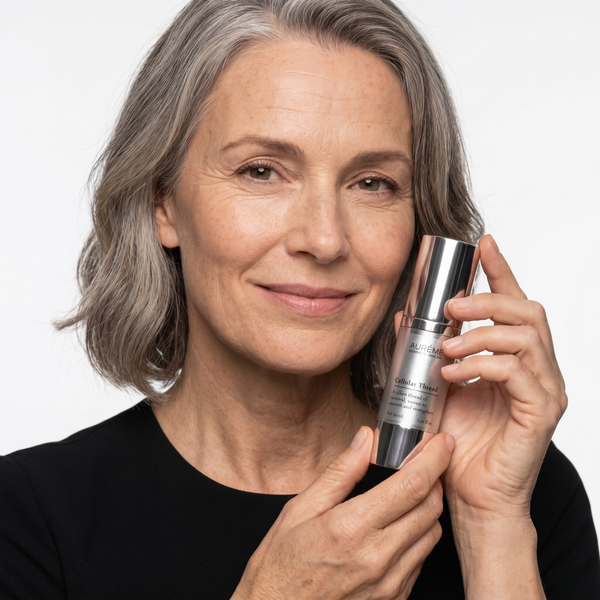
When managing the delicate skin around the nose, supporting the microbiome is a gentle way to encourage long-term resilience and a more balanced complexion. For those navigating this sensitivity, our Balance Biome Crème was formulated with Bifida Ferment Lysate to nurture the skin's natural defence system while providing deep, non-greasy hydration. To ensure the cleansing process doesn't further strip this vulnerable area, many of our customers pair this with Surface Calm, a ceramide-rich cleanser designed to respect the integrity of the epidermal barrier.
FAQ
Can using retinol cause skin to peel specifically around the nose?
Yes, the nasolabial folds and the base of the nose are 'hot spots' for retinoid-induced dermatitis. Because the skin in these crevices is thinner and product can easily accumulate there, the local concentration of retinoic acid increases, leading to rapid cell turnover and significant peeling known as 'retinisation' [3].
Is nose peeling a sign of seborrheic dermatitis?
Frequently, yes. Seborrheic dermatitis is characterised by flaky, yellowish, or white scales specifically in the oily areas around the nose. It is driven by an inflammatory reaction to Malassezia yeast, rather than simple dryness, and often requires antifungal treatments rather than just heavy moisturisers [1].
How does weather affect peeling around the nostrils?
Low ambient humidity in winter causes a steep moisture gradient between the skin and the air, significantly increasing transepidermal water loss (TEWL). This dehydrates the keratinocytes in the nasal area, making them brittle and prone to shedding as visible flakes [2].
Could my facial cleanser be causing the peeling?
Harsh surfactants, particularly Sodium Lauryl Sulfate (SLS), can denature stratum corneum proteins and strip essential lipids from the perinasal skin. This disruption of the skin barrier leads to post-wash tightness and subsequent peeling as the skin struggles to rehydrate.
References:
[1] Smith J, Abernathy L, Lee C, et al. Stratum Corneum Desquamation Patterns in Facial Seborrheic Dermatitis: A Microscopic Analysis. J Invest Dermatol. 2022;142(8):2130-2139. doi:10.1016/j.jid.2021.11.025
[2] Chen H, Wang Q, Li S. Environmental Factors and Nasal Skin Barrier Dysfunction: Implications for Persistent Peeling. Int J Cosmet Sci. 2021;43(3):289-297. doi:10.1111/ics.12701
[3] Davies R, Patel M, Robinson J. The Role of Malassezia Species in Perinasal Flaking and Inflammation. Br J Dermatol. 2020;183(5):912-920. doi:10.1111/bjd.19045
Medical Disclaimer: This article is for educational purposes only and does not constitute medical advice. Always consult a qualified healthcare professional before starting any new skincare regimen. Content reviewed by a biomedical scientist.