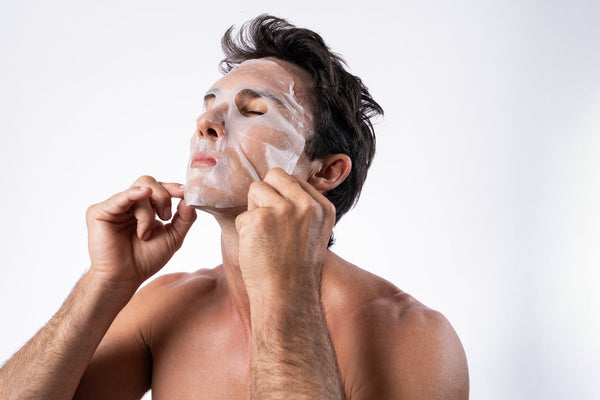
Dry skin, clinically known as xerosis, occurs when the stratum corneum—the outermost layer of the epidermis—fails to maintain adequate hydration levels. This is primarily driven by a deficiency in the skin’s natural lipid bilayer, which includes ceramides, cholesterol, and free fatty acids. When this barrier is compromised, it leads to an increase in transepidermal water loss (TEWL), where moisture evaporates from the dermis into the external environment [1]. In the Australian context, environmental stressors such as low humidity, high UV exposure, and frequent use of air conditioning significantly accelerate this evaporative process [2].
Furthermore, the depletion of Natural Moisturising Factors (NMFs), such as amino acids, urea, and lactate, reduces the skin's ability to bind water at a cellular level. Genetically, some individuals may have a deficiency in the protein filaggrin, which is essential for maintaining the integrity of the skin barrier and producing NMFs [3]. When these internal biological mechanisms are disrupted by external triggers like harsh surfactants or hot water, the skin loses its suppleness, resulting in the characteristic tightness, flaking, and itching associated with dryness [4].
From a biomedical perspective, the skin's barrier function is often described by the 'brick and mortar' model. The corneocytes (skin cells) act as bricks, while the intercellular lipids act as the mortar that seals moisture in and keeps irritants out. A disruption in the enzymatic pathways that synthesise these lipids results in an imbalanced barrier [1]. Additionally, the 'acid mantle'—a slightly acidic film on the skin surface—plays a crucial role in regulating the activity of enzymes responsible for ceramide production and skin desquamation [5].
Chronic dryness can also be linked to the inflammatory cascade. When the barrier is impaired, pro-inflammatory cytokines are released, which can further degrade the structural proteins of the skin. This creates a cycle where dryness leads to micro-inflammation, which then further weakens the skin's ability to retain moisture [2]. Understanding the molecular basis of hydration allows for the selection of targeted humectants and emollients that mimic the skin’s natural physiology to restore homeostasis.
To address the disruption of the lipid bilayer and help minimise transepidermal water loss, you might consider incorporating a specialised treatment like Surface Calm, which is formulated with a blend of Ceramides and Cholesterol to cleanse without stripping the skin's essential defences. For those seeking to seal in moisture and support long-term barrier resilience, our Cellular Crème provides deep hydration through a rich yet weightless combination of Sodium Hyaluronate and Shea Butter.
FAQ
What is the difference between dry and dehydrated skin?
Dry skin is a skin type characterised by a lack of oil (lipids), whereas dehydrated skin is a temporary skin condition caused by a lack of water. Dry skin requires oil-based emollients to repair the lipid barrier [1], while dehydrated skin requires humectants like hyaluronic acid or glycerine to pull water back into the cells [4].
How does the Australian climate affect skin dryness?
The Australian environment presents unique challenges, including high UV radiation which causes photodamage to the skin's barrier proteins. Additionally, the low humidity in many regions and the constant transition between outdoor heat and indoor air conditioning promotes rapid transepidermal water loss [2][3].
Can over-cleansing cause my skin to become drier?
Yes, frequent washing with harsh surfactants (like Sodium Lauryl Sulphate) strips away the skin’s natural oils and NMFs. This raises the skin's pH, inhibiting the enzymes necessary for barrier repair and leading to a sensitised, dry state [5].
References:
[1] Verdier-Sévrain S, Bonté F. 'Skin hydration: a review on its molecular mechanisms'. Journal of Cosmetic Dermatology. 2007;6(2):75-82. doi:10.1111/j.1473-2165.2007.00300.x
[2] Engebretsen KA, et al. 'The effect of environmental factors on lifestyle and skin barrier function'. British Journal of Dermatology. 2016;3(2):16-24. doi:10.1111/bjd.14507
[3] Brown SJ, McLean WH. 'One remarkable molecule: filaggrin'. Journal of Investigative Dermatology. 2012;132(3):751-762. doi:10.1038/jid.2011.393
[4] Rawlings AV, Harding CR. 'Moisturization and skin barrier function'. Dermatologic Therapy. 2004;17(s1):43-48. doi:10.1111/j.1396-0296.2004.04s1005.x
[5] Ali SM, Yosipovitch G. 'Skin pH: From Basic Science to Basic Skin Care'. Acta Dermato-Venereologica. 2013;93(3):261-267. doi:10.2340/00015555-1531
Medical Disclaimer: This article is for educational purposes only and does not constitute medical advice. Always consult a qualified healthcare professional before starting any new skincare regimen. Content reviewed by a biomedical scientist.