Niacinamide, a water-soluble form of Vitamin B3, is primarily valued in dermatology for its ability to bolster the skin's natural barrier function. It achieves this by stimulating the synthesis of ceramides and other intercellular lipids, which are essential for maintaining moisture and protecting the skin from environmental stressors [1]. By fortifying the stratum corneum, Niacinamide effectively reduces transepidermal water loss (TEWL), making it an exceptional ingredient for those struggling with dryness or compromised skin integrity [2].
Beyond barrier repair, Niacinamide is highly effective at regulating sebum production and refining skin texture. Clinical studies demonstrate its capacity to minimise the appearance of enlarged pores and smooth fine lines by promoting collagen synthesis [3]. Furthermore, its potent anti-inflammatory properties make it a staple for managing inflammatory skin conditions such as acne and rosacea, as it helps to visibly reduce redness and blotchiness while calming the skin's immune response [4].
At a molecular level, Niacinamide acts as a precursor to the coenzymes nicotinamide adenine dinucleotide (NAD) and nicotinamide adenine dinucleotide phosphate (NADP). These molecules are critical for a vast array of enzymatic reactions within skin cells, including DNA repair and cellular energy production [1]. As we age, the levels of these coenzymes naturally decline; topical replenishment via Niacinamide helps to maintain cellular homeostasis and mitigate oxidative stress [5].
In the Australian climate, Niacinamide's role in photoprotection is particularly relevant. While not a sunscreen, it has been shown to assist in repairing DNA damage caused by UV radiation and can help prevent the immunosuppression typically induced by sun exposure [4]. This makes it a valuable adjunct to daily SPF routines for long-term skin health and the prevention of premature ageing.
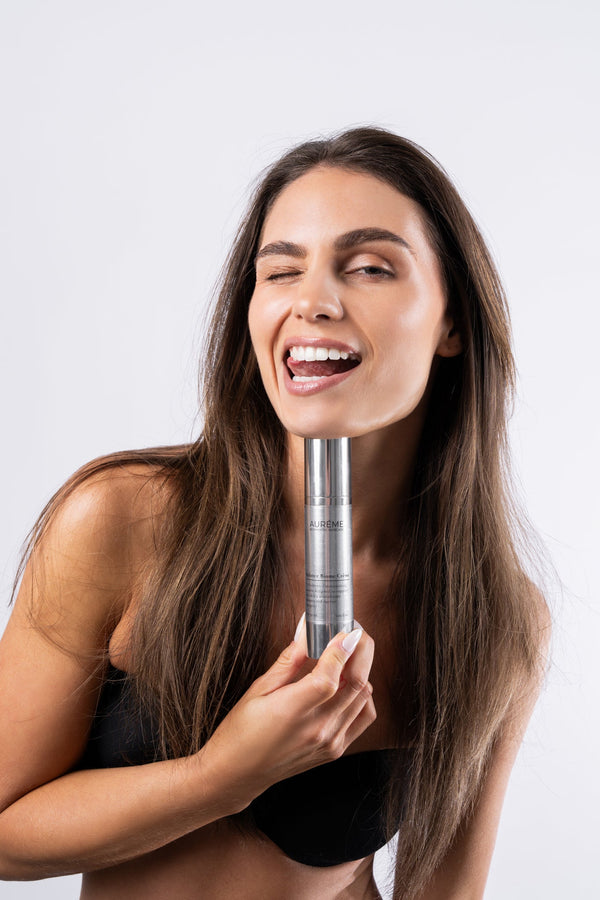
For those seeking to integrate this B3 vitamin into their daily ritual, our Balance Biome Crème utilises Niacinamide to support a resilient barrier and a more balanced complexion. If your focus is on brightening and hydration, the C-Veil Citrine Tonic also features this versatile ingredient to help minimise the appearance of uneven tone while providing a lightweight defence against environmental stressors.
FAQ
Can Niacinamide help with hyperpigmentation?
Yes, Niacinamide is a recognised brightening agent that works differently to many other actives. Rather than inhibiting the enzyme tyrosinase, it prevents the transfer of melanosomes (pigment granules) from melanocytes to the surrounding keratinocytes [2]. This process helps to fade dark spots and even out skin tone over a period of 4 to 8 weeks of consistent use [3].
Is Niacinamide suitable for sensitive skin?
Niacinamide is generally very well-tolerated by all skin types, including sensitive skin. Because it helps to synthesise the skin’s natural lipid barrier, it can actually decrease the sensitivity caused by external irritants [1]. However, using excessively high concentrations (above 10%) may cause temporary flushing in some individuals due to the conversion to nicotinic acid if the formulation pH is too low [5].
How does Niacinamide interact with other actives like Vitamin C?
Modern formulation science indicates that Niacinamide and Vitamin C can be used together effectively. While older myths suggested they neutralise each other, they are chemically stable when combined in well-formulated products or layered sequentially [2]. Together, they provide a multi-faceted approach to brightening and antioxidant defence [4].
References:
[1] Gehring W. Nicotinic acid/niacinamide and the skin. Journal of Cosmetic Dermatology. 2004;3(2):88-93. doi:10.1111/j.1473-2130.2004.00115.x
[2] Levin J, Momin SB. How much do we really know about our favorite cosmeceutical ingredients? The Journal of Clinical and Aesthetic Dermatology. 2010;3(2):22-41.
[3] Bissett DL, et al. Topical niacinamide reduces yellowing, wrinkling, red blotchiness, and hyperpigmented spots in aging facial skin. Dermatologic Surgery. 2005;31(7 Pt 2):860-865. doi:10.1111/j.1524-4725.2005.31732
[4] Surjana D, Halliday GM, Damian DL. Role of nicotinamide in DNA damage, mutagenesis, and DNA repair. Journal of Nucleic Acids. 2010;2010:157591. doi:10.4061/2010/157591
[5] Wohlrab J, Kreft D. Niacinamide - Mechanisms of action and its topical use in dermatology. Skin Pharmacology and Physiology. 2014;27(6):311-315. doi:10.1159/000359974
Medical Disclaimer: This article is for educational purposes only and does not constitute medical advice. Always consult a qualified healthcare professional before starting any new skincare regimen. Content reviewed by a biomedical scientist.