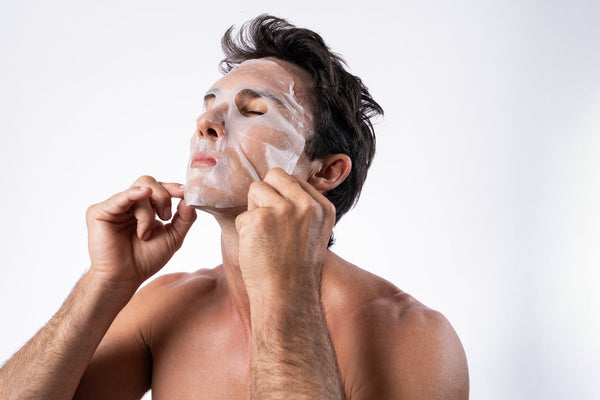
The short answer is yes, at-home LED (Light Emitting Diode) face masks can stimulate collagen production, but their efficacy is strictly dependent on the specific wavelengths used and the energy density delivered to the skin. Clinical research indicates that red light, typically between 630-660 nanometres (nm), and near-infrared light (810-850 nm) penetrate the dermal layers to reach fibroblasts—the cells responsible for synthesising collagen and elastin [1]. When these light particles (photons) are absorbed by the mitochondria, they stimulate a process called photobiomodulation, which enhances cellular energy (ATP) and upregulates the expression of type I pro-collagen [2].
However, it is important to recognise that at-home devices are generally less powerful than the medical-grade panels found in Australian dermatology clinics. While professional devices can deliver high-intensity treatment in minutes, at-home masks require consistent, long-term use—often 3 to 5 times per week—to achieve measurable improvements in skin density and the reduction of fine lines [3]. Provided the device uses TGA-listed technology with the correct monochromatic wavelengths, users can expect a gradual improvement in skin texture and firmness over an 8 to 12-week period [4].
Photobiomodulation (PBM) is the primary mechanism behind LED therapy. It involves the absorption of light by cytochrome c oxidase within the mitochondrial respiratory chain. This absorption triggers a cascade of biochemical events, including the transient production of reactive oxygen species (ROS) and an increase in adenosine triphosphate (ATP) levels [1]. In the context of skin ageing, this metabolic boost promotes the proliferation of fibroblasts and the subsequent secretion of collagen fibres into the extracellular matrix.
Furthermore, LED therapy has been shown to inhibit the activity of matrix metalloproteinases (MMPs), which are enzymes that break down existing collagen under the influence of UV radiation and environmental stress [5]. By simultaneously increasing collagen synthesis and decreasing collagen degradation, LED masks help shift the dermal balance toward a more youthful, organised structural framework. Scientific validation of these devices often relies on biopsy analysis or ultrasound imaging to quantify changes in dermal thickness and collagen density.
To complement the collagen-stimulating effects of LED therapy, some of our customers find that incorporating a specialised peptide treatment like Cellular Thread helps support skin longevity and firmness from within. For those looking to further lock in these benefits and maintain a supple, youth-preserved complexion, our Cellular Crème provides a rich yet weightless layer of peptides and essential hydration to assist the skin's natural repair processes.
FAQ
Which colour light is best for stimulating collagen?
Red light (633 nm) and near-infrared light (830 nm) are the gold standards for collagen stimulation. Red light targets the upper layers of the dermis to improve texture, while near-infrared light penetrates deeper to stimulate structural proteins and improve blood circulation [2], [4]. Blue light, conversely, is used primarily for its antibacterial properties to treat acne and does not have a significant impact on collagen synthesis [1].
How long does it take to see results from an LED mask?
Collagen synthesis is a slow biological process. Clinical trials generally show that significant visible improvements in skin radiance and fine lines appear after 8 to 12 weeks of consistent use [3]. Most studies utilise a protocol of 10-20 minute sessions conducted three to five times per week to ensure sufficient cumulative energy delivery to the dermal cells [4].
Are at-home LED masks safe for all skin types?
LED therapy is non-thermal and non-invasive, making it safe for all Fitzpatrick skin types. Unlike some laser treatments, it does not carry a high risk of post-inflammatory hyperpigmentation [2]. However, individuals with photosensitive conditions or those taking medications like Roaccutane should consult a medical professional before use to avoid adverse reactions [5].
References:
[1] Avci P, et al. Seminars in Cutaneous Medicine and Surgery. 2013;32(1):18-35. doi:10.12788/j.sder.0005
[2] Wunsch A and Matuschka K. Photomedicine and Laser Surgery. 2014;32(2):93-100. doi:10.1089/pho.2013.3616
[3] Gold MH, et al. Journal of Clinical and Aesthetic Dermatology. 2018;11(2):24-27.
[4] Ablon G. Journal of Clinical and Aesthetic Dermatology. 2018;11(2):21-27.
[5] Barolet D, et al. Journal of Investigative Dermatology. 2009;129(12):2751-2759. doi:10.1038/jid.2009.186
Medical Disclaimer: This article is for educational purposes only and does not constitute medical advice. Always consult a qualified healthcare professional before starting any new skincare regimen. Content reviewed by a biomedical scientist.