Smoothing textured skin, specifically keratosis pilaris (KP), requires a dual-action approach: chemical exfoliation to dissolve keratin plugs and intensive hydration to repair the skin barrier. Clinical studies demonstrate that Keratolytics such as Urea (10-20%) and Alpha Hydroxy Acids (AHAs) like Lactic or Glycolic acid are first-line treatments. These actives work by breaking the desmosomal bonds between corneocytes, allowing the trapped keratin—which causes the characteristic 'bumpy' feel—to be shed from the follicular opening [1][2].
Consistency is vital because KP is a chronic genetic condition rather than a temporary infection. Using a salicylic acid (BHA) wash can help penetrate the oil-filled pores to further clear debris, while ammonium lactate lotions have shown significant efficacy in softening the skin's surface and reducing the appearance of redness or 'strawberry skin' [3]. In the Australian climate, it is also essential to use a fragrance-free moisturiser containing ceramides immediately after bathing to prevent the transepidermal water loss that often exacerbates follicular plugging [4].
Keratosis pilaris is a common autosomal dominant genetic condition characterised by follicular hyperkeratosis. It occurs when the body overproduces keratin, a structural protein in the skin, which subsequently forms a hard plug that blocks the hair follicle. This leads to the development of small, rough papules, often accompanied by perifollicular erythema (redness). Research indicates that a deficiency in filaggrin—a protein essential for skin barrier function—may play a role in the pathogenesis of textured skin [2][5].
From a histological perspective, the 'bumpy' texture is the result of an accumulation of orthokeratotic scales within the infundibulum of the hair follicle. While the condition is benign, the inflammation around the follicle can lead to post-inflammatory hyperpigmentation, particularly in darker skin tones. Effective management focuses on regulating keratinocyte turnover and maintaining an acidic skin pH to optimise the function of natural exfoliating enzymes within the stratum corneum [1][6].
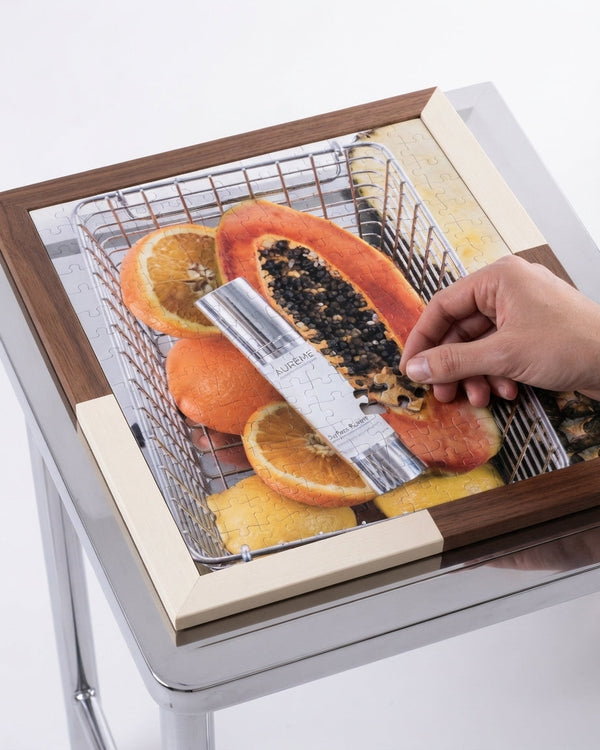
For those exploring targeted exfoliation to manage uneven texture, our Surface Renew was formulated with a specialised AHA Fruit Complex and Bromelain to gently dissolve surface build-up and encourage cell turnover. To further support the skin barrier during this process, some of our customers find that following with Surface Calm helps to replenish essential lipids, as it includes a blend of three ceramides designed to maintain moisture levels without causing irritation.
FAQ
Can physical scrubs clear keratosis pilaris?
While physical scrubs may provide a temporary smoothing effect, they are often too abrasive for the sensitive, inflamed skin associated with KP. Aggressive scrubbing can trigger further inflammation and micro-tears, leading to reactive hyperkeratosis where the skin thickens in response to trauma [3]. Chemical exfoliants like Salicylic Acid or Lactic Acid are preferred as they provide a more uniform and controlled removal of keratin plugs without mechanical irritation [2].
Does sun exposure help or worsen textured skin?
Many Australians believe sun exposure 'dries out' the bumps, but this is a misconception. While UV radiation may temporarily mask redness through tanning, it eventually damages the skin barrier and dehydrates the stratum corneum, making the keratin plugs harder and more difficult to shed [4]. Furthermore, many active treatments for KP, such as AHAs and retinoids, increase photosensitivity, making strict sun protection essential during treatment [6].
Why does my textured skin get worse in winter?
Keratosis pilaris typically flares in winter due to lower humidity levels and the drying effects of indoor heating. Low ambient humidity leads to increased transepidermal water loss, which impairs the natural desquamation process (shedding of dead skin cells). When the skin is dry, the keratin plugs become more rigid and prominent [1][5]. Increasing the use of occlusive moisturisers containing petrolatum or shea butter during colder months can help minimise these seasonal flares [4].
References:
[1] Thomas M, et al. Keratosis Pilaris: A Review of Diagnosis and Management. American Journal of Clinical Dermatology. 2012;13(5):351-358. doi:10.2165/11594300-000000000-00000
[2] Pennycook KB, et al. Keratosis Pilaris. StatPearls Publishing. 2023; Jan(1): ID NBK546708.
[3] Gruber R, et al. Sebaceous Gland Content and Keratinization in Keratosis Pilaris. Journal of Investigative Dermatology. 2015;135(4):1122-1130. doi:10.1038/jid.2014.514
[4] Levin J, et al. The Importance of the Skin Barrier in Keratosis Pilaris Management. Journal of Clinical and Aesthetic Dermatology. 2020;13(10):12-15.
[5] Wang JF, et al. Keratosis pilaris: Angiolymphoid hyperplasia with eosinophilia-like features. International Journal of Dermatology. 2018;57(7):e34-e36. doi:10.1111/ijd.13968
[6] Schmitt JV, et al. Keratosis pilaris and prevalence of acne vulgaris: a cross-sectional study. Anais Brasileiros de Dermatologia. 2014;89(1):91-95. doi:10.1590/abd1806-4841.20142398
Medical Disclaimer: This article is for educational purposes only and does not constitute medical advice. Always consult a qualified healthcare professional before starting any new skincare regimen. Content reviewed by a biomedical scientist.