The rapid transformation of skin during perimenopause and menopause is primarily driven by the precipitous decline in systemic oestrogen. Oestrogen is crucial for maintaining skin integrity as it stimulates the production of collagen, elastin, and hyaluronic acid within the dermal matrix [1]. Research indicates that skin collagen content decreases by approximately 30% during the first five years of menopause, a rate of decline far exceeding chronological ageing alone [2]. This sudden loss of structural proteins leads to a noticeable reduction in skin elasticity and the rapid onset of fine lines and sagging.
Furthermore, the hormonal shift affects the skin's barrier function and moisture retention. Oestrogen receptors (ERα and ERβ) located in the skin help regulate sebum production and the synthesis of ceramides [3]. As oestrogen levels fall, the skin's ability to retain water diminishes, leading to transepidermal water loss (TEWL) and a significant increase in dryness and sensitivity. This explains why many Australian women report their skin feeling 'parched' or 'paper-thin' almost overnight as they transition through these life stages [4].
Beyond collagen degradation, the menopausal transition involves a complex recalibration of the skin’s cellular environment. The ratio of oestrogen to androgens shifts, which can trigger adult-onset acne or hirsutism in some individuals, as the sebaceous glands respond to relatively higher androgenic stimulation [1]. Additionally, the pH of the skin surface tends to increase, moving away from its naturally acidic state, which can disrupt the microbiome and impair the acid mantle’s defensive capabilities [5].
At a cellular level, the dermo-epidermal junction (DEJ) flattens, reducing the surface area for nutrient exchange between the dermis and epidermis. This results in a compromised supply of oxygen and nutrients to the skin's surface, contributing to a duller complexion and slower wound healing [2]. Australian environmental factors, such as high UV exposure, further compound these biological changes by accelerating photo-ageing alongside hormonal ageing, a process known as 'double ageing' [6].
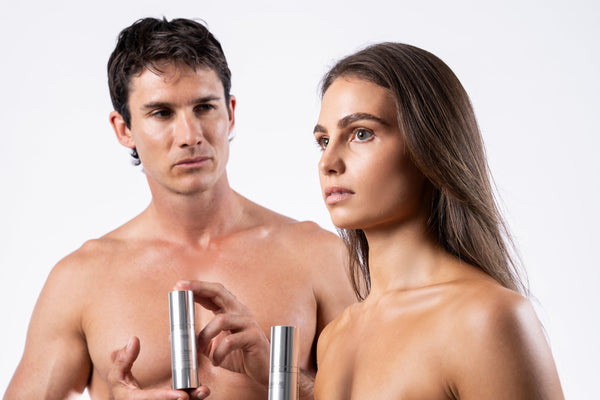
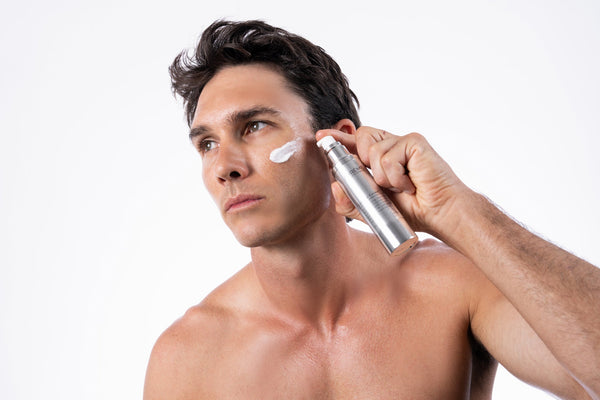
For those navigating this shift in skin density and elasticity, AUREME formulated Cellular Thread as a specialised peptide treatment serum to help replenish what the skin recognises as its own. When paired with the deep hydration of Cellular Crème, which contains sodium hyaluronate and a protective lipid barrier complex, these formulations support a more resilient, supple complexion during a period of rapid physiological change.
FAQ
Why does my skin suddenly feel so itchy during menopause?
Itchiness, or pruritus, is a common symptom caused by a combination of reduced sebum production and a weakened lipid barrier. As oestrogen declines, the skin produces fewer ceramides and fatty acids, making it more susceptible to irritants and dehydration [3]. This dryness triggers the 'itch-scratch cycle,' which can be further exacerbated by the Australian climate [4].
Can Hormone Replacement Therapy (HRT) improve skin health?
Evidence suggests that systemic and topical oestrogen treatments can increase skin thickness, improve hydration, and boost collagen levels [1]. HRT has been shown to mitigate some of the rapid changes seen in early menopause, though it is primarily prescribed for vasomotor symptoms rather than cosmetic skin benefits alone [2].
What skincare ingredients should I prioritise for menopausal skin?
Focus on ingredients that support the skin barrier and stimulate collagen. Niacinamide (Vitamin B3) helps strengthen the barrier and improve texture, while retinoids remain the gold standard for stimulating collagen synthesis [5]. Additionally, using rich moisturisers containing ceramides, glycerine, and cholesterol can help compensate for the loss of natural lipids [6].
References:
[1] Stevenson S, Thornton J. Effects of estrogens on skin aging and the potential role of selective estrogen receptor modulators. Clin Interv Aging. 2007;2(3):283-297. doi:10.2147/cia.s798
[2] Brincat MP, et al. Estrogens and the skin. Climacteric. 2005;8(2):110-123. doi:10.1080/13697130500118100
[3] Calleja-Agius J, Brincat M. The effect of menopause on the skin and other connective tissues. Gynecol Endocrinol. 2012;28(4):273-277. doi:10.3109/09513590.2011.606284
[4] Lephart ED, Naftolin F. Menopause and the Skin: Old Favorites and New Innovations in Cosmeceuticals for Estrogen-Deficient Skin. Dermatol Ther (Heidelb). 2021;11(1):53-69. doi:10.1007/s13555-020-00468-y
[5] Zouboulis CC, et al. Skin, hormones and menopause: constellations and etiologies. Dermatoendocrinol. 2011;3(3):135-142. doi:10.4161/derm.3.3.15171
[6] Farage MA, et al. Characteristics of the Aging Skin. Adv Wound Care. 2013;2(1):5-10. doi:10.1089/wound.2011.0356
Medical Disclaimer: This article is for educational purposes only and does not constitute medical advice. Always consult a qualified healthcare professional before starting any new skincare regimen. Content reviewed by a biomedical scientist.