For Australians seeking the best ingestible solutions for skin health, the evidence suggests that specific bioactive collagen peptides are the most effective. Clinical trials demonstrate that oral supplementation with 2.5g to 5g of hydrolysed Type I collagen daily can significantly improve skin elasticity, hydration, and dermal collagen density over an 8-to-12-week period [1]. Unlike whole proteins, these peptides are absorbed through the intestinal wall, reaching the bloodstream and potentially stimulating fibroblasts to produce new collagen and hyaluronic acid within the dermal matrix [2].
While biotin is frequently marketed for skin, its efficacy is largely limited to individuals with a clinical deficiency. For the general population with adequate dietary intake, there is little high-quality evidence suggesting biotin improves skin appearance or prevents ageing [3]. However, other supplements such as Polypodium leucotomos extract (a tropical fern) have shown remarkable efficacy as 'oral sun protection' by reducing UV-induced redness and DNA damage, acting as a secondary defence alongside topical sunscreen [4]. In summary, if you are looking for the best evidence-led results, prioritising hydrolysed collagen and antioxidants like Vitamin C or Nicotinamide offers the most quantifiable benefits for skin structure and photoprotection.
The field of 'nutricosmetics' operates on the principle that systemic delivery of micronutrients can influence the biological processes within the skin layers that topical products cannot easily reach. The skin is the last organ to receive nutrients from the diet, meaning targeted supplementation can help bridge the gap during periods of high oxidative stress or natural age-related decline [5]. The efficacy of these supplements depends heavily on bioavailability—the rate at which a substance is absorbed and utilised by the body.
From a biochemical perspective, the dermal layer is a complex extracellular matrix composed of collagen, elastin, and glycosaminoglycans. As we age, the enzymatic degradation of these components outpaces their synthesis. Supplements that act as signalling molecules or enzymatic co-factors, such as Zinc and Vitamin C, are essential for the cross-linking of collagen fibres, thereby maintaining the structural integrity of the skin against environmental stressors prevalent in the harsh Australian climate [6].
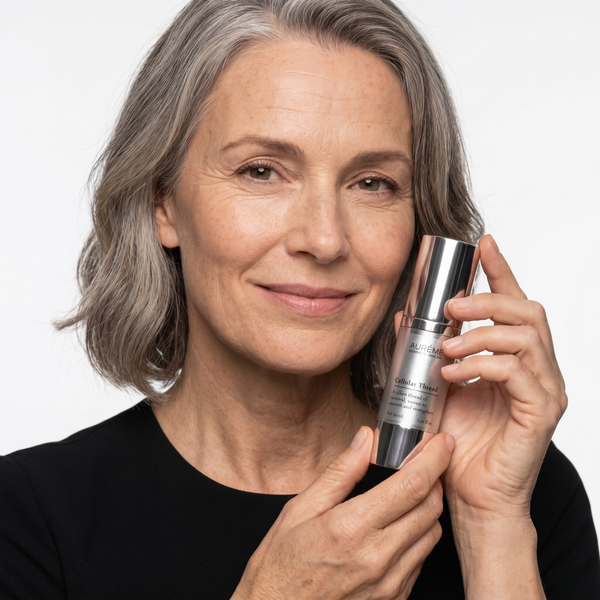
While ingestible collagen supports the dermal layers from within, those looking to bolster their routine topically may appreciate the targeted approach of [Circadia Shield](https://auremeskin.com.au/products/circadia-shield), which is formulated with hydrolysed marine collagen and niacinamide to help manage environmental stress. To further support these structural foundations, [Cellular Thread](https://auremeskin.com.au/products/cellular-thread) incorporates a specialised peptide complex that the skin recognises, working to maintain firmness and luminosity alongside your internal supplementation.
FAQ
Does taking Vitamin C supplements help with skin brightening?
Yes, but primarily through its role in collagen synthesis and antioxidant defence. Vitamin C is a mandatory co-factor for the enzymes prolyl hydroxylase and lysyl hydroxylase, which stabilise the collagen molecule [6]. While it helps prevent UV-induced hyperpigmentation when taken orally, topical application is generally more effective for direct skin brightening and targeting specific dark spots [5].
Can Nicotinamide (Vitamin B3) help prevent skin cancer?
In the Australian context, Nicotinamide has shown significant promise. Research published in the New England Journal of Medicine indicates that taking 500mg of Nicotinamide twice daily can reduce the incidence of new non-melanoma skin cancers by 23% in high-risk individuals [7]. It works by enhancing the repair of DNA damage caused by UV radiation and preventing the immune suppression triggered by sun exposure [7].
Is marine collagen better than bovine collagen?
Marine collagen is often considered superior for skin health because it consists primarily of Type I collagen, which makes up 80% of our skin's dermal layer [1]. Furthermore, marine collagen peptides typically have a lower molecular weight, which may result in slightly better absorption through the gut lining compared to bovine sources, though both can be effective if hydrolysed correctly [2].
References:
[1] Choi FD, et al. Oral Collagen Supplementation: A Systematic Review of Dermatological Applications. J Drugs Dermatol. 2019;18(1):9-16.
[2] Asserin J, et al. The effect of oral collagen peptide supplementation on skin moisture and the dermal collagen network: evidence from an ex vivo model and randomized, placebo-controlled clinical trials. J Cosmet Dermatol. 2015;14(4):291-301. doi:10.1111/jocd.12174.
[3] Lipner SR, et al. A therapeutic update on biotin. J Am Acad Dermatol. 2017;76(6):1213-1217. doi:10.1016/j.jaad.2016.12.016.
[4] El-Haj N, et al. Analysis of Polypodium leucotomos for the treatment of various dermatologic conditions. Int J Dermatol. 2018;57(12):1412-1421. doi:10.1111/ijd.14157.
[5] Schagen SK, et al. Discovering the link between nutrition and skin aging. Dermato-Endocrinology. 2012;4(3):298-307. doi:10.4161/derm.22876.
[6] Pullar JM, et al. The Roles of Vitamin C in Skin Health. Nutrients. 2017;9(8):866. doi:10.3390/nu9080866.
[7] Chen AC, et al. A Phase 3 Randomized Trial of Nicotinamide for Skin-Cancer Chemoprevention. N Engl J Med. 2015;373(17):1618-1626. doi:10.1056/NEJMoa1506197.
Medical Disclaimer: This article is for educational purposes only and does not constitute medical advice. Always consult a qualified healthcare professional before starting any new skincare regimen. Content reviewed by a biomedical scientist.