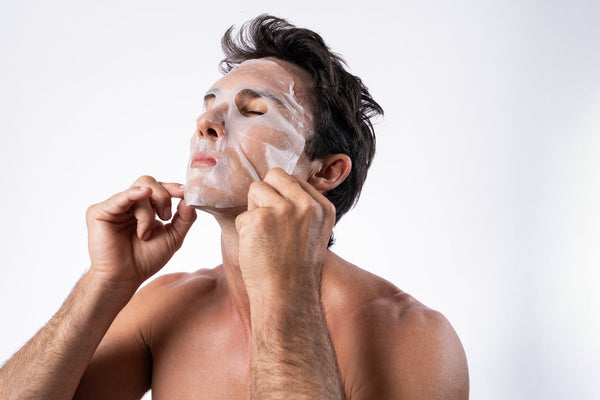
The 'retinol ugly phase', clinically known as retinisation, typically lasts between four to six weeks. This period represents the time required for the epidermis to adapt to increased cellular turnover and for the skin's barrier function to re-establish its equilibrium. During the first fortnight, users often experience erythema (redness), xerosis (dryness), and desquamation (peeling) as the stratum corneum undergoes rapid restructuring [1][2].
By the end of the first skin cell cycle, which averages 28 to 30 days in healthy adults—the skin generally begins to develop a tolerance. For individuals with highly sensitive skin or those using prescription-strength retinoids like tretinoin, this inflammatory window may extend to eight weeks. If symptoms persist beyond two months without improvement, it may indicate a damaged moisture barrier or contact dermatitis rather than standard retinisation [3].
Retinoids work by binding to nuclear retinoic acid receptors (RARs), which modulates gene expression to increase keratinocyte proliferation and strengthen the dermal matrix. However, this sudden surge in cell turnover initially disrupts the intercellular lipid lamellae, leading to increased transepidermal water loss (TEWL) and heightened sensitivity [2][4].
In the Australian climate, high UV exposure can exacerbate this phase, as retinoids induce photosensitivity. The biochemical transition involves a temporary downregulation of ceramide production before the skin eventually compensates by producing a more robust and organised epidermal barrier. This biphasic response is why initial irritation is often followed by significant improvements in skin texture and resilience [1][5].
For those finding the retinisation process particularly challenging, supporting the skin's barrier resilience with specialised care can help manage the transition. Some of our customers have found that incorporating Balance Biome Crème provides essential microbiome support through Bifida Ferment Lysate and Niacinamide, while Solenne Oil offers an alternative path to renewal using Bakuchiol for those who prefer to bypass the traditional retinol 'ugly phase' altogether.
FAQ
Can I skip the 'ugly phase' entirely?
Yes, it is possible to minimise or avoid the ugly phase by utilising the 'sandwich method' applying moisturiser before and after retinol and by starting with a low concentration (e.g., 0.1-0.2%) once or twice a week. Gradually increasing frequency, known as 'short-contact therapy' or 'slow-purging', allows the skin to upregulated its tolerance without overwhelming the inflammatory response [1][3].
What is the difference between purging and a breakout?
Retinol purging occurs when accelerated cell turnover pushes pre-existing microcomedones (clogged pores) to the surface quickly, usually appearing in areas where you typically break out. These clear faster than standard acne. In contrast, a traditional breakout or reaction involves inflammatory papules in new areas or persistent irritation, suggesting the formulation may be too occlusive or irritating for your skin profile [4][5].
How should I adjust my routine during this phase?
Focus on barrier repair by incorporating ceramides, niacinamide, and hyaluronic acid. It is crucial to suspend other 'actives' like alpha-hydroxy acids (AHAs) or vitamin C during the initial four weeks to prevent compounding irritation. Most importantly, daily application of a broad-spectrum SPF 50+ is non-negotiable in Australia, as the newly revealed skin cells are highly susceptible to UV damage [2][6].
References:
[1] Zasada M, Budzisz E. Retinoids: active molecules influencing skin structure formation in cosmetic and dermatological treatments. Postepy Dermatol Alergol. 2019;36(4):392-397. doi:10.5114/ada.2019.87443
[2] Mukherjee S, et al. Retinoids in the treatment of skin aging: an overview of clinical efficacy and safety. Clin Interv Aging. 2006;1(4):327-348. doi:10.2147/ciia.2006.1.4.327
[3] Kafi R, et al. Improvement of naturally aged skin with topical vitamin A (retinol). Arch Dermatol. 2007;143(5):606-612. doi:10.1001/archderm.143.5.606
[4] Shao Y, et al. Molecular basis of retinol anti-ageing properties in naturally aged human skin in vivo. Int J Cosmet Sci. 2017;39(1):56-65. doi:10.1111/ics.12348
[5] Leyden J, et al. Why Topical Retinoids Are Mainstay of Therapy for Acne. Dermatol Ther (Heidelb). 2017;7(3):293-304. doi:10.1007/s13555-017-0185-2
[6] Callender VD, et al. Adjunctive use of a moisturiser with a retinoid-based acne regimen. J Clin Aesthet Dermatol. 2020;13(6):17-22.
Medical Disclaimer: This article is for educational purposes only and does not constitute medical advice. Always consult a qualified healthcare professional before starting any new skincare regimen. Content reviewed by a biomedical scientist.